Author: moldcustomization

  • Mold for PP parts: Ultimate Guide for Buyers 2026 | China Mold Factory

    For overseas buyers and procurement specialists, sourcing a high-quality mold for PP parts represents a critical investment in product quality, production efficiency, and overall project success. Polypropylene (PP) is a versatile and widely used thermoplastic, favored for its excellent chemical resistance, durability, and cost-effectiveness. However, the performance of the final PP component is intrinsically linked to the precision and reliability of the injection mold that creates it. Navigating the vast landscape of Chinese manufacturing can be daunting. This guide is designed to cut through the complexity, offering a professional, actionable roadmap for partnering with a reputable China mold factory in 2026. We will focus on practical steps for supplier verification, intelligent procurement strategies, and robust quality control to ensure your project’s success.

    The journey begins long before requesting a quotation. Comprehensive project definition is your strongest leverage. When approaching potential suppliers, provide a detailed technical data pack. This should include finalized 3D CAD models (STEP or IGS format), 2D drawings with critical dimensions and tolerances clearly marked, and a thorough specification for the PP material grade you intend to use. For a mold for PP parts, explicitly state requirements for mold steel (such as pre-hardened 718 or corrosion-resistant S136 for certain applications), surface finish expectations (SPI standards), and key mold features like cooling channel layout, ejection mechanisms, and venting design. A clear understanding of your annual volume and production cycle will enable the factory to recommend the appropriate mold lifespan and maintenance plan. This level of detail not only ensures accurate quotes but also immediately filters out suppliers incapable of handling technically complex work.

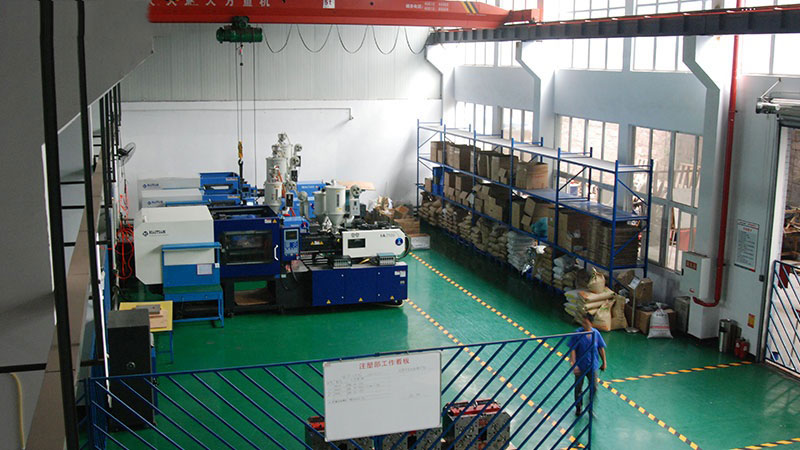
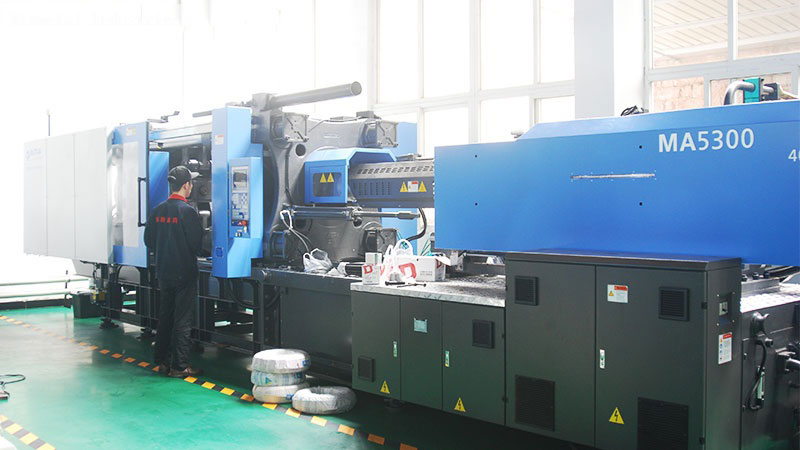
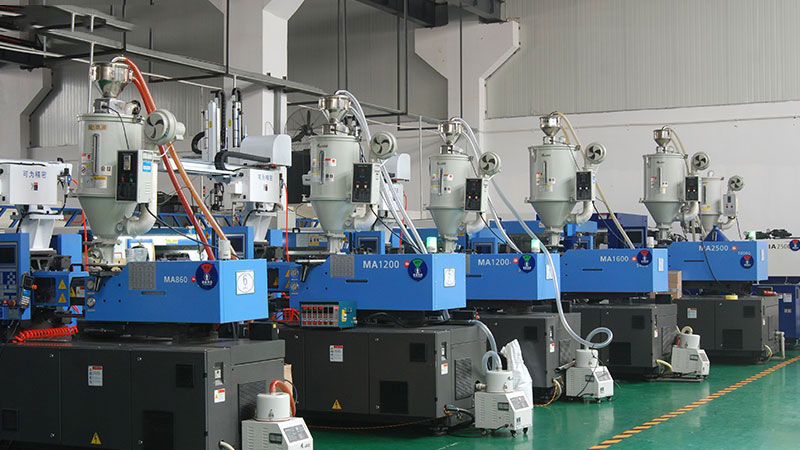
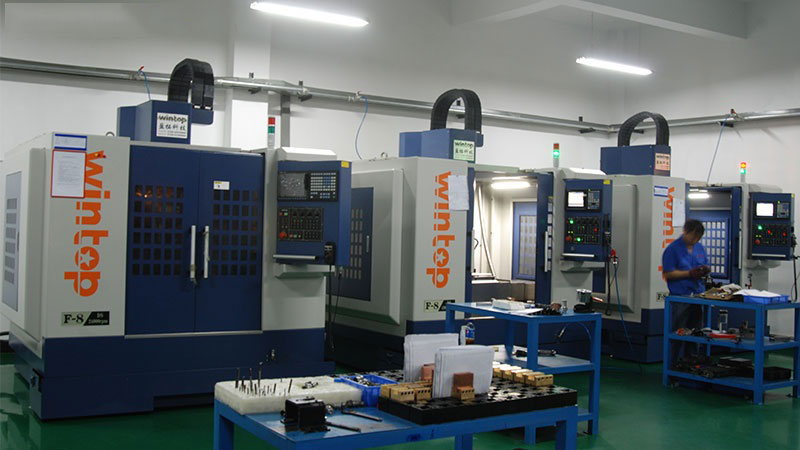
    Identifying a capable China mold factory requires moving beyond basic Alibaba searches. Supplier verification is a multi-step due diligence process. Start by scrutinizing the factory’s portfolio for direct experience with PP components and similar industries to yours. Request and verify business licenses, and insist on a virtual or, ideally, an in-person factory audit. Key areas to assess include their machining capabilities (Do they have high-speed CNC, EDM, and precision grinding equipment?), their mold trial and testing facilities (Is there an injection molding machine on-site for sampling?), and their engineering team’s expertise. Communication is a critical indicator; professional suppliers will assign a project manager and engineering contact who proactively ask clarifying questions about your design. Checking references from existing overseas clients provides invaluable insight into reliability, communication consistency, and after-sales support. This rigorous verification lays the foundation for a trustworthy partnership.

    The procurement process for an injection mold is not a simple commodity purchase. Understand the standard milestones: design review, mold flow analysis (highly recommended for PP to predict filling, cooling, and potential warpage), mold manufacturing, first article inspection (FAI), and sample approval. A trustworthy factory will offer a transparent, stage-gated payment schedule tied to these milestones (e.g., 30% deposit, 40% after design approval, 30% after sample approval). Never opt for the cheapest quote without deep analysis; often, low upfront costs hide compromises in steel quality, machining precision, or engineering time, leading to costly mold failures and production delays. Instead, evaluate the total cost of ownership, which includes mold durability, maintenance costs, and the supplier’s responsiveness to issues. A professionally conducted mold flow analysis, though an added initial cost, can save tens of thousands by optimizing gate location and cooling, reducing cycle time, and preventing defects in mass production.

    Effective quality control is non-negotiable and must be agreed upon contractually. Define all inspection protocols and acceptance criteria before manufacturing begins. For the mold itself, this includes dimensional checks of the finished cavity and core using CMM (Coordinate Measuring Machine) reports, verification of steel hardness, and inspection of surface finishes. The most critical phase is the Trial Run Report (TMR) or Sample Approval Process. Your supplier should provide comprehensive documentation, including photos, videos of the trial, and samples from the initial shots. You must evaluate these samples for critical factors: dimensional accuracy (against your FAI report), visual defects (sink marks, weld lines), and functionality. For PP parts, pay particular attention to warpage and shrinkage, which are material-specific challenges. Clearly outline the procedure for handling non-conforming samples. Establishing a right-to-audit clause for ongoing production is also a best practice for long-term projects.

    A successful partnership extends beyond the delivery of the mold. Discuss and agree on post-sale support terms. This includes the warranty period for the injection mold (typically 12-24 months against manufacturing defects), the provision of detailed mold maintenance manuals, and the availability of spare components like ejector pins and wear plates. Ensure you receive the complete set of final as-built drawings and 3D data for the mold. A reliable China mold factory will view this as the start of a long-term relationship, offering ongoing technical support for mold modifications, production troubleshooting, and future projects. This commitment to after-sales service is a true mark of a world-class supplier, transforming a transactional purchase into a strategic manufacturing alliance.

    Securing a high-performance mold for PP parts from China in 2026 demands a strategic, informed approach that prioritizes engineering collaboration and rigorous process control over price alone. By meticulously defining your project, conducting thorough supplier verification, managing the procurement process with clear milestones, implementing stringent quality control protocols, and securing solid after-sales terms, you mitigate risk and maximize your investment. The Chinese mold-making industry offers unparalleled expertise and value, and by following this guide, overseas buyers can confidently navigate the market to find a factory partner that delivers precision, reliability, and long-term value for their polypropylene component production.

    Work With Us

    As a professional China mold manufacturer, we provide one-stop mold solution for overseas buyers.
    📞 Phone: +86-18605944639
    💬 WhatsApp: +8618605944639
    🌐 Website: bestmoldworks.com
    📧 Email: [email protected]
  • custom molding solutions reviews: Expert Tips & Soluti 2026

    For overseas buyers, the decision to import molds from China represents a significant strategic advantage in cost-efficiency and manufacturing scalability. However, navigating the vast landscape of Chinese mold suppliers can be daunting. Relying solely on generic **custom molding solutions reviews** found online is no longer sufficient in 2026’s competitive and technologically advanced market. True success hinges on a structured, professional procurement process. This guide provides actionable, expert-level tips to move beyond basic reviews and implement a robust framework for identifying, verifying, and partnering with a top-tier **China mold factory** for your **injection mold** or other custom tooling needs.

    The cornerstone of successful procurement is rigorous supplier verification. In 2026, due diligence must extend far beyond a company website and a few product photos. Start with a deep dive into the supplier’s technical capabilities. Request detailed case studies that match your industry and complexity. A professional **China mold factory** should readily provide videos of tools running in their facility or at customer sites, not just static images. Utilize video conferencing to conduct a live, unscheduled virtual factory tour; this transparency is a key indicator of confidence and operational organization. Crucially, verify their engineering process. Do they employ Design for Manufacturability (DFM) analysis before quoting? A competent partner will proactively suggest design optimizations for cost, material saving, and longevity, transforming your **procurement** from a simple purchase into a collaborative engineering effort. This level of verification separates market-leading partners from mere order-takers.

    Once a potential partner is identified, mastering the quotation and contract phase is critical. Be exceptionally clear and detailed in your Request for Quotation (RFQ). Include not just the part drawings, but material specifications, expected annual volumes, cosmetic requirements (e.g., SPI finish standards), and tolerance expectations. Analyze the breakdown of the quote: a suspiciously low price often indicates corner-cutting on steel grade, cooling channel design, or post-processing. In your contract, explicitly define ownership of the mold design and tooling. Specify the mold steel grade by international standard (e.g., 1.2344, P20), the brand of standard components (e.g., HASCO, DME), and the exact cycle time guarantee for the initial sample. Establish a milestone-based payment schedule (e.g., 30% upon order, 40% after T1 sample approval, 30% before shipment) to maintain leverage and ensure project alignment. This structured approach mitigates risk and sets clear expectations for both parties.

    Proactive quality control, integrated from the very first article, is non-negotiable. The most common mistake is waiting until the final inspection before shipment. Instead, implement a phased QC protocol. Require and review First Article Inspection (FAI) reports with 3D scan data (CMM reports) against your CAD model for the initial T1 samples. This data-driven review is far more valuable than anecdotal **custom molding solutions reviews**. For critical projects, consider engaging a local third-party inspection agency in the factory’s region to conduct in-process audits during key stages: after mold machining, after heat treatment, and during trial runs. They can verify hardness, cavity dimensions, and part conformity. Furthermore, insist on a complete mold trial run video showing a continuous cycle of at least 50 shots, with timers visible, to validate cycle time and stability. This hands-on **quality control** strategy provides objective evidence of capability before the tool leaves China.

    Effective communication and project management often determine the long-term success of the partnership. Designate a single point of contact on both sides who possesses both technical and linguistic competence. Use collaborative project management tools that allow for tracked issue logging, shared document storage, and clear version control for drawings. Be mindful of the cultural approach to problems: a reliable supplier will proactively communicate delays or technical challenges with proposed solutions, rather than hiding issues until a deadline is missed. Schedule regular, structured update calls focusing on upcoming milestones. This disciplined communication framework prevents misunderstandings, builds trust, and ensures that your **injection mold** project progresses smoothly from design to delivery. It transforms the supplier relationship from transactional to strategic.

    The journey does not end with mold shipment. Planning for post-delivery support is a mark of a sophisticated buyer. Discuss and agree upon terms for mold maintenance, repair, and modification at the quoting stage. A reputable supplier will offer a warranty period (typically 12-24 months) against manufacturing defects and provide detailed maintenance manuals. Secure a spare parts list and consider purchasing critical spare components, like cores and ejector pins, upfront. Establish clear protocols for handling wear and tear or design changes in the future, including pricing mechanisms for engineering changes. This foresight ensures your investment is protected and your production line remains operational, maximizing the lifespan and return on investment of your custom mold.

    In conclusion, while researching **custom molding solutions reviews** can offer a starting point, the savvy overseas buyer in 2026 must adopt a comprehensive, hands-on strategy. The process demands a shift from passive review-reading to active engagement in supplier verification, contractual clarity, phased quality control, disciplined communication, and lifecycle planning. By treating your **procurement** of an **injection mold** as a technical partnership rather than a simple purchase, you unlock the true potential of Chinese manufacturing: exceptional value, high quality, and innovation. Implement these expert tips to build a reliable supply chain that delivers not just a tool, but a competitive advantage for years to come.

    Work With Us

    As a professional China mold manufacturer, we provide one-stop mold solution for overseas buyers.
    📞 Phone: +86-18605944639
    💬 WhatsApp: +8618605944639
    🌐 Website: bestmoldworks.com
    📧 Email: [email protected]
  • plastic mold manufacturer in china: Reliable Manufactur 2026

    For overseas buyers, sourcing a reliable plastic mold manufacturer in China remains one of the most impactful decisions for product development, cost efficiency, and supply chain stability. As we look toward 2026, the landscape is not just about finding the lowest cost, but about identifying partners who offer technological sophistication, robust processes, and transparent communication. This guide cuts through the noise to provide actionable strategies for securing a trustworthy China mold factory, ensuring your injection mold project is a success from quotation to mass production.

    The core challenge for international procurement teams is no longer discovering potential suppliers, but accurately verifying and qualifying them. A deep list of potential vendors is easy to compile from online platforms, but distinguishing between a marketing facade and genuine manufacturing capability requires a structured approach. The consequences of poor selection—dimensional inaccuracies, production delays, and costly rework—can derail your product launch and budget. Therefore, your procurement strategy must evolve to address supplier verification, technical alignment, and quality control as interconnected pillars.

    Implement a Multi-Layered Supplier Verification Process

    Begin due diligence before you even send a request for quotation. A modern plastic mold manufacturer in China should withstand scrutiny beyond a basic website check. First, verify business licenses and export credentials. Utilize third-party inspection services or local contacts to conduct a preliminary factory audit, even if virtually. Scrutinize their portfolio for projects similar in size, complexity, and industry to yours. Pay particular attention to their experience with the specific material your product requires, as this directly impacts mold design. Furthermore, insist on speaking directly with their project engineers during the evaluation phase. This conversation will reveal their technical comprehension and proactive problem-solving approach more than any sales brochure.

    Master the Technical Dialogue and DFM Review

    Your ability to communicate technical specifications clearly is paramount. Provide potential suppliers with a comprehensive package: 3D CAD files, 2D drawings with critical dimensions and tolerances clearly marked, material specifications, and expected annual volumes. The true test of a capable China mold factory comes during the Design for Manufacturability review. A reliable partner will not simply accept your files but will provide detailed feedback on draft angles, wall thickness uniformity, gate locations, and ejection strategies to optimize the mold for longevity and the part for quality. Their suggestions should balance design intent with injection molding physics. This collaborative engineering phase is your strongest indicator of their expertise and commitment to a successful outcome.

    Establish Ironclad Quality Control Protocols from Day One

    Agreeing on quality control milestones is non-negotiable. These protocols must be contractually defined before order placement. Key checkpoints include: First Article Inspection reports with full CMM data for the finished mold, pre-shipment sample parts from the actual production mold measured against your master sample or CAD data, and a clear definition of acceptable quality limits. Discuss their in-house measurement equipment—CMMs, optical comparators, and other relevant tools. For critical projects, plan for an independent third-party inspection at the factory during the Trial Out Report stage. This proactive investment mitigates the risk of receiving a mold that does not meet specifications, a scenario far more expensive to rectify after it has been shipped overseas.

    Navigate Logistics, IP Protection, and Long-Term Partnership

    Finalizing the mold is only part of the journey. Clarify incoterms explicitly—understand who handles export clearance, shipping, and import duties. Ensure the supplier has experience packaging molds securely for ocean freight. Regarding Intellectual Property, a reputable supplier will sign a Non-Disclosure Agreement and a contract that clearly states ownership of all mold and design data. For long-term success, view your chosen manufacturer as a strategic partner. Discuss their capacity for mold maintenance, repair, and future modifications. A partner invested in a lasting relationship will support your product’s lifecycle, potentially offering storage for your mold and prioritizing your production slots.

    Conclusion

    Sourcing an injection mold from China in 2026 demands a blend of rigorous vetting, technical collaboration, and contractual clarity. By moving beyond price as the sole determinant and focusing on structured supplier verification, in-depth technical reviews, and unambiguous quality control checkpoints, you transform procurement from a transactional risk into a strategic advantage. The goal is to build a relationship with a plastic mold manufacturer in China whose capabilities and reliability become a cornerstone of your product quality and market responsiveness. With this disciplined approach, you can confidently tap into China’s manufacturing excellence, ensuring your molds are not just cost-effective, but catalysts for flawless production and enduring product success.

    Work With Us

    As a professional China mold manufacturer, we provide one-stop mold solution for overseas buyers.
    📞 Phone: +86-18605944639
    💬 WhatsApp: +8618605944639
    🌐 Website: bestmoldworks.com
    📧 Email: [email protected]
  • custom injection mold: Complete Procurement Guide 2026

    Navigating the procurement of a custom injection mold from China presents a significant opportunity for cost efficiency and manufacturing scalability. However, for overseas buyers, the process involves complexities that, if mismanaged, can lead to costly delays, quality issues, and logistical headaches. This guide is designed to cut through the noise and provide a clear, actionable roadmap for 2026. We will focus on the practical steps you must take to successfully partner with a China mold factory, secure a high-quality injection mold, and ensure your project launches smoothly and on budget.

    The foundation of a successful procurement journey is thorough supplier verification. In 2026, due diligence goes beyond a simple website check. Start with a multi-faceted assessment of potential China mold factory partners. Scrutinize their digital presence, including detailed project portfolios and client testimonials. However, the critical step is a virtual or, ideally, in-person facility audit. Request a live video tour of their production floor. Observe their machinery, the organization of their workspace, and their quality control stations. Verify their certifications, such as IATF 16949 for automotive or ISO 13485 for medical, which are strong indicators of a systematic approach. Furthermore, insist on speaking directly with their project engineering team. A reliable supplier will be transparent and eager to discuss technical specifics, demonstrating their capability to handle your unique custom injection mold requirements.

    Once a qualified supplier is shortlisted, mastering the technical and commercial negotiation phase is paramount. This stage is where ambiguity creates future problems. Provide your potential injection mold partner with exceptionally clear and detailed design files, ideally in STEP or IGES format, with all critical dimensions and tolerances explicitly called out. Discuss and agree upon the mold material, such as pre-hardened steel, H13, or stainless steel for specialized applications, and the expected mold life. The quotation should be broken down transparently, including costs for design, materials, machining, testing, and any post-processing. Crucially, establish a milestone-based payment schedule tied to tangible deliverables, for example, 30% upon order confirmation, 40% after T1 sample approval, and the balance before shipment. This protects both parties and aligns incentives for timely progress.

    Proactive and structured quality control is non-negotiable when importing molds. Do not assume quality will be managed for you; you must build it into the process. Define your quality standards upfront in the purchase order agreement. Key checkpoints include a First Article Inspection report on the finished mold and, most importantly, the Trial Run sample. You should receive comprehensive documentation from the trial, including photos, videos of the molding process, and samples from the T1 trial. It is highly advisable to engage a reputable third-party quality inspection firm within China to conduct an on-site inspection during the sample stage. They can verify dimensional accuracy, material conformity, surface finish, and part functionality against your drawings and specifications. This objective assessment before shipment prevents the vastly more expensive scenario of discovering defects after the mold has arrived at your facility.

    The final phase encompasses logistics, intellectual property protection, and long-term partnership planning. Understand the Incoterms agreed upon with your supplier, as they dictate shipping responsibilities and costs. For a high-value item like a custom injection mold, secure adequate marine insurance. Regarding IP, a well-drafted Non-Disclosure Agreement is essential, but consider also registering your design patents in China for stronger legal footing. Finally, view your chosen China mold factory not as a one-time vendor but as a strategic manufacturing partner. A successful first project paves the way for future collaboration, potential maintenance services, and even the production of injection-molded parts. Clear communication, documented processes, and mutual respect form the bedrock of this ongoing relationship.

    In conclusion, importing a custom injection mold from China in 2026 demands a disciplined, informed approach centered on verification, clarity, and control. By meticulously vetting your injection mold supplier, defining all technical and commercial terms with precision, implementing rigorous quality control checkpoints, and managing the post-production process strategically, you transform a complex international procurement into a competitive advantage. The goal is not merely to purchase a tool but to secure a foundational asset for your product’s manufacturing success. With this complete procurement guide as your framework, you are equipped to engage with the Chinese manufacturing sector confidently and effectively, turning potential challenges into a streamlined pathway for innovation and growth.

    Work With Us

    As a professional China mold manufacturer, we provide one-stop mold solution for overseas buyers.
    📞 Phone: +86-18605944639
    💬 WhatsApp: +8618605944639
    🌐 Website: bestmoldworks.com
    📧 Email: [email protected]
  • custom silicone mould manufacturers: Expert Tips & Sol 2026

    For overseas buyers, the decision to import molds from China represents a significant strategic advantage, offering unparalleled cost efficiency, advanced manufacturing capabilities, and rapid scalability. However, navigating the landscape of **custom silicone mould manufacturers** can be complex, with challenges ranging from supplier verification to consistent quality control. As we move into 2026, the procurement process is becoming more sophisticated, demanding a sharper, more informed approach. This guide provides actionable, expert tips designed to solve real problems and ensure your partnership with a **China mold factory** is successful, profitable, and built to last.

    The cornerstone of any successful import project is rigorous supplier verification. Moving beyond a simple Alibaba search is non-negotiable in 2026. Begin by conducting a deep-dive analysis of potential **custom silicone mould manufacturers**. Scrutinize their business licenses, export history, and specialized certifications relevant to your industry, such as ISO 9001 for quality management systems. Utilize video conferencing tools to conduct virtual factory tours; a reputable supplier will have no issue showcasing their workshop, machinery, and ongoing projects. Pay close attention to their equipment—modern, well-maintained injection molding machines and cleanroom facilities for silicone are positive indicators. Furthermore, request and actually contact past overseas clients. Authentic testimonials and long-term client relationships are the most reliable predictors of a supplier’s reliability and professional conduct.

    Once a potential partner is identified, mastering the technical and commercial discussion is critical. The most common point of failure is ambiguous communication. When discussing your project with a **China mold factory**, provide exhaustive detail. This includes not just CAD drawings, but also material specifications (e.g., FDA-grade silicone, Shore hardness), expected production volumes, cycle time targets, and part certification requirements. Be explicit about your tolerance levels and surface finish expectations. A professional manufacturer will engage in a Design for Manufacturability (DFM) review, offering suggestions to optimize your design for the injection mold process, potentially saving costs and improving durability. Clearly negotiate and document all terms: unit price, mold tooling cost, payment schedule (avoid large upfront payments), lead times for prototype and production, and IP protection clauses. This clarity transforms your relationship from a simple transaction into a collaborative partnership.

    Proactive quality control cannot be an afterthought; it must be integrated into every stage of the **procurement** journey. Insist on a First Article Inspection (FAI) report before mass production begins. This report should verify that initial samples from the production mold meet all your dimensional and material specifications. For ongoing production, define a mutually agreed-upon Quality Inspection Plan (QIP). This plan should specify the frequency of inspections (e.g., every 5000 pieces), the Acceptable Quality Level (AQL) for defects, and the specific tests to be performed, such as durability cycling, color matching, or chemical resistance tests. Many reputable manufacturers have in-house QC labs, but for critical projects, consider engaging a trusted third-party inspection service based in China for an unbiased assessment. This layered approach to quality control mitigates risk and prevents costly surprises upon shipment arrival.

    Understanding the total cost of ownership, rather than just the unit price, is a mark of a sophisticated buyer in 2026. While the initial quote from a Chinese supplier is attractive, factor in all ancillary costs. These include mold tooling (a capital investment), international shipping and logistics, import duties and tariffs specific to your country, potential costs for rework or returns, and inventory carrying costs. A slightly higher unit price from a more capable supplier often results in lower total cost due to superior yield rates, reliable delivery, and fewer defects. Discuss packaging solutions with your supplier to minimize damage and volumetric weight for shipping. Furthermore, explore Incoterms thoroughly; terms like FOB (Free On Board) or EXW (Ex Works) define responsibility and cost at each stage of the shipping process, impacting your final landed cost significantly.

    Finally, building a strategic, long-term relationship is the ultimate solution for sustainable success. View your chosen **custom silicone mould manufacturers** not as a vendor, but as a technical extension of your own team. Foster open and regular communication. Provide constructive feedback and be receptive to their engineering input. Consider visiting the factory in person when feasible; the goodwill and deeper understanding gained are invaluable. Discuss future product roadmaps; a reliable supplier can become a partner in innovation, advising on new materials or manufacturing techniques for upcoming projects. This relationship capital becomes your most significant asset, ensuring priority service, greater flexibility, and collaborative problem-solving, giving you a formidable competitive edge in your market.

    In conclusion, importing silicone and **injection molds** from China in 2026 is less about finding the cheapest option and more about executing a disciplined, informed sourcing strategy. By implementing rigorous supplier verification, mastering technical communication, enforcing robust quality control protocols, analyzing the true total cost, and investing in a strategic partnership, overseas buyers can unlock the full potential of Chinese manufacturing. The landscape is competitive, but with these expert tips, you are equipped to identify and collaborate with top-tier manufacturers, transforming the complexity of global **procurement** into a reliable pillar of your business growth and product excellence.

    Work With Us

    As a professional China mold manufacturer, we provide one-stop mold solution for overseas buyers.
    📞 Phone: +86-18605944639
    💬 WhatsApp: +8618605944639
    🌐 Website: bestmoldworks.com
    📧 Email: [email protected]

  • custom silicone mold maker: Complete Procurement Guide 2026

    For overseas buyers and product developers, partnering with a skilled custom silicone mold maker in China remains a strategic move to achieve cost efficiency without compromising on quality. The landscape, however, is nuanced. Navigating the vast supplier network, ensuring precise specifications, and maintaining consistent quality from thousands of miles away present real challenges. This guide is crafted not as a generic overview, but as a practical, actionable procurement manual for 2026. We will move beyond basic advice to provide a structured framework for identifying, vetting, and collaborating with a reliable China mold factory to secure superior injection molds for your silicone products.

    Mastering Supplier Discovery and Verification

    The initial search is critical. Moving beyond a simple Alibaba browse is essential for professional procurement. Begin by leveraging industry-specific B2B platforms like Made-in-China.com or Global Sources, which often feature more established factories. Use precise keyword combinations: “silicone injection mold manufacturer,” “custom food-grade silicone mold,” or “LSR mold factory” to filter results. The real work begins with supplier verification. In 2026, due diligence is digital and multi-faceted. Always request a business license and, crucially, verify it through third-party credit check services. Scrutinize the factory’s portfolio for projects similar in complexity and industry (e.g., medical, culinary, consumer goods) to yours. A video conference factory tour is non-negotiable; it validates their capabilities, machinery (look for modern CNC, EDM, and dedicated silicone injection molding machines), and workshop organization. This step separates trading companies from genuine manufacturing partners.

    Engineering and Communication: The Blueprint for Success

    Clear technical communication is the bedrock of a successful project with your chosen custom silicone mold maker. Your RFQ (Request for Quotation) must be exceptionally detailed. Beyond basic CAD drawings, include a comprehensive specification sheet covering: silicone material type (Platinum-cure vs. Tin-cure, LSR, Shore hardness), expected production volume, required surface finish (textured, polished, matte), and any critical tolerances. Discuss mold flow analysis upfront; a proficient China mold factory will use this simulation to anticipate and prevent filling issues, air traps, and shrinkage, saving costly revisions later. Establish a single point of contact for technical discussions, preferably an engineer with strong English skills or the support of a competent translator. Clarify all design for manufacturability (DFM) feedback in writing, ensuring any suggested changes are documented and approved before steel is cut.

    Navigating Quality Control and Sampling Protocols

    Proactive quality control is your most powerful tool for risk mitigation. Never proceed to mass production without a rigorous sampling phase. The protocol should be staged: First, a T1 sample from the initial mold for form and fit check. Second, a engineering pilot run sample from the finalized mold using production-intent materials. Define and agree upon sample approval criteria and inspection methods (e.g., CMM reports for critical dimensions, durometer tests for hardness, visual inspection standards) with your supplier before the mold is built. For ongoing quality control, consider a structured approach: define Critical-to-Quality (CTQ) dimensions for inspection, and plan for either periodic third-party inspections (like SGS or Bureau Veritas) for high-volume orders or pre-shipment inspections for smaller batches. A reliable partner will have an in-house QC team and welcome your clear standards.

    Strategic Logistics and Building a Partnership

    Finalizing the procurement involves strategic decisions on logistics and contract terms. Understand Incoterms 2020 thoroughly; FOB Shenzhen is common, but EXW or CIF might suit your logistics capabilities better. Factor in mold maintenance and repair—discuss warranty periods (typically 12-24 months for workmanship), the cost and process for spare components, and storage fees if the mold remains at the factory. View this not as a transactional purchase, but as forging a manufacturing partnership. A trustworthy supplier becomes an extension of your R&D team, offering insights for future projects and ensuring consistent supply. Discuss their capacity for scaling production and their approach to intellectual property protection, including signing NDAs and clearly defining mold ownership in the contract.

    Conclusion

    Importing custom silicone molds from China in 2026 demands a blend of meticulous preparation, technological understanding, and relationship management. The journey from identifying a potential China mold factory to receiving consistent, high-quality injection mold production is paved with deliberate steps: rigorous supplier verification, unambiguous technical communication, enforced quality control protocols, and strategic logistical planning. By adopting this structured approach, you transform the complexity of overseas procurement into a competitive advantage. The right custom silicone mold maker is more than a vendor; they are a pivotal partner in bringing your innovative silicone products to market with reliability, precision, and cost-effectiveness. Let this guide be your roadmap to a successful and profitable sourcing partnership in the year ahead.

    Work With Us

    As a professional China mold manufacturer, we provide one-stop mold solution for overseas buyers.
    📞 Phone: +86-18605944639
    💬 WhatsApp: +8618605944639
    🌐 Website: bestmoldworks.com
    📧 Email: [email protected]

  • custom injection molding near me: Expert Tips & Soluti 2026

    For overseas buyers, the search for “custom injection molding near me” often leads to a critical crossroad: settle for limited local options at a premium cost or explore the vast manufacturing potential of China. While local sourcing offers logistical ease, China remains the global epicenter for high-quality, cost-effective injection mold and part production. The real challenge isn’t finding a China mold factory; it’s strategically navigating the procurement process to secure a reliable partner who delivers precision, consistency, and value. This guide provides expert, actionable solutions for 2026, transforming the daunting task of importing molds from China into a streamlined, successful venture.

    The core dilemma for international procurement teams is bridging the physical and cultural distance. A local search for “custom injection molding near me” simplifies communication and site visits but can severely constrain options and budget. Conversely, China’s industrial ecosystem offers unparalleled specialization and scalability. The solution lies in adopting a hybrid mindset: leveraging digital tools and proven methodologies to create “local-like” engagement with a top-tier Chinese supplier. Success in 2026 hinges on moving beyond simple price comparison to a holistic partnership model built on transparency, verification, and shared quality standards.

    Your first and most critical step is rigorous supplier verification. In the digital age, a polished website is a given, not an endorsement. Begin with deep due diligence: verify the factory’s business license via official Chinese platforms and insist on a live video tour. A reputable injection mold manufacturer will readily showcase their facility floor, machinery brands (e.g., Haitian, Engel, or Sodick), and ongoing projects. Scrutinize their portfolio for experience in your specific industry, material expertise, and part complexity. Furthermore, check for international compliance certifications (ISO 9001, IATF 16949) and ask for references from existing overseas clients. This initial investment in verification filters out trading companies and unqualified workshops, ensuring you engage with a genuine, capable manufacturer.

    Once a potential partner is identified, mastering the technical and commercial dialogue is paramount. The quotation phase is your opportunity to set clear expectations. Provide a comprehensive RFQ package including detailed 3D drawings (STEP or IGES), material specifications, tolerances (referencing standards like DME or MISUMI), expected annual volumes, and cosmetic requirements. Be wary of quotes that are significantly lower than the market average; this often signals corner-cutting on steel quality, machining precision, or heat treatment. A professional China mold factory will ask clarifying questions and may suggest design for manufacturability (DFM) improvements to optimize your part for molding and reduce cost. Treat this collaborative exchange as a positive indicator of their engineering prowess and proactive approach.

    Implementing robust, multi-stage quality control is non-negotiable. Do not relegate QC to a final pre-shipment inspection. Integrate it throughout the production cycle. Define a Quality Control Plan with your supplier that includes critical checkpoints: material certification review, first article inspection (FAI) on the mold, initial sample inspection reports (ISIR) from trial shots, and pre-shipment audits. For high-value projects, engage a trusted third-party inspection service located in China to conduct dimensional checks, material tests, and functional validation at the factory. This hands-on oversight acts as your eyes and ears on the ground, preventing costly defects from ever leaving the production line and ensuring the final injection mold and parts meet your exact specifications.

    Finally, plan for the total cost of ownership and long-term partnership. While the initial mold price is a key factor, consider the entire lifecycle. Discuss mold maintenance, spare parts availability, and the supplier’s policy on design modifications. A reliable partner will offer transparent terms for storage, repair, and future production runs. Furthermore, clarify all logistical and contractual details: Incoterms (FOB Shanghai is common), payment terms (a staggered schedule like 50/40/10 is standard), intellectual property protection via a clear NDA and contract, and packaging for overseas transport. Building a relationship with a Chinese manufacturer is an asset; consistent communication and fair dealings can lead to priority service, continuous improvement, and a truly resilient supply chain that feels as responsive as searching for “custom injection molding near me.”

    In conclusion, the strategic import of injection molds from China in 2026 is a process refined by technology and disciplined procurement. The phrase “custom injection molding near me” symbolizes the need for reliability and ease, which can be achieved with a Chinese partner through meticulous supplier verification, clear technical communication, embedded quality control, and holistic partnership planning. By adopting these expert solutions, overseas buyers can confidently access China’s manufacturing excellence, securing not just a tool, but a competitive advantage that delivers quality, innovation, and value for years to come. The future of global manufacturing is collaborative, and your ideal supplier is waiting for a professionally managed engagement.

    Work With Us

    As a professional China mold manufacturer, we provide one-stop mold solution for overseas buyers.
    📞 Phone: +86-18605944639
    💬 WhatsApp: +8618605944639
    🌐 Website: bestmoldworks.com
    📧 Email: [email protected]

  • how much does a custom plastic mold cost: Complete Pr 2026

    For overseas buyers and product developers, procuring a custom plastic injection mold is a critical first-step investment. The single most common and pressing question is: how much does a custom plastic mold cost? A precise figure is elusive because, unlike a commodity, every mold is a unique piece of industrial tooling. The quoted price can range from a few thousand dollars to well over a hundred thousand. This 2026 guide moves beyond vague estimates to provide a clear framework for understanding cost drivers and offers a strategic procurement roadmap. Our goal is to equip you with the knowledge to budget accurately, communicate effectively with a China mold factory, and secure a high-quality tool that delivers long-term value.

    Understanding the Core Cost Drivers of an Injection Mold

    To navigate pricing, you must first understand what you are paying for. The final cost is a sum of several interconnected factors. Primarily, it is dictated by the complexity and size of your part. A simple, flat lid requires a basic two-plate mold, while a complex medical device with undercuts, threads, and tight tolerances demands a sophisticated multi-cavity mold with actions like sliders and lifters, significantly increasing machining time and complexity. Material choice is another pillar. Standard pre-hardened steel (like P20) is cost-effective for prototypes or short runs, but high-volume production necessitates hardened steels (like H13 or S136) which are more expensive and longer to machine but offer vastly superior lifespan. Finally, the mold’s lifespan specification—often measured in expected shot cycles—directly impacts material and construction quality. Clearly defining your part’s complexity, required annual volumes, and cosmetic standards from the outset is the foundation for receiving comparable and meaningful quotes.

    The Strategic Procurement Process: From Specification to Supplier Verification

    A disciplined procurement process is your strongest tool for cost control and risk mitigation. It begins internally with a comprehensive and frozen product design. Use Design for Manufacturability (DFM) principles to simplify the mold where possible; this is the single most effective way to reduce cost. Once your 3D files and specifications are ready, initiate a structured supplier engagement. Do not simply broadcast your RFQ to dozens of factories. Instead, shortlist 3-5 reputable China mold factories based on deep research. Your request for quotation should be detailed, including part drawings, material, annual volume, cosmetic requirements (SPI/Plastics Industry Association finishes), and expected delivery timeline. This ensures all bidders are quoting on the exact same scope, allowing for a true apples-to-apples comparison. Remember, the goal is not just to find the lowest price, but to understand the value proposition behind each figure.

    Evaluating Quotes and the Critical Role of Supplier Verification

    When quotes arrive, the analysis phase begins. A suspiciously low quote is often a red flag, indicating potential compromises on steel quality, machining precision, or engineering expertise. Scrutinize what is included: Is hot runner temperature control included? What about mold flow analysis? How many revisions are allowed? Is sampling and initial correction part of the cost? This is where supplier verification becomes non-negotiable. For a significant investment, due diligence is mandatory. Verify the supplier’s business license, visit their facility virtually via a detailed video tour, and request references from their existing overseas clients. Examine their portfolio for similar projects. A professional mold maker will be transparent and welcome these checks. They understand that building trust is key to a long-term partnership. This step ensures you are not just buying a price, but investing in a capable partner.

    Ensuring Value Through Proactive Quality Control and Communication

    Securing a fair price is only half the battle; ensuring you receive the corresponding quality is the other. Proactive quality control (QC) must be budgeted for and integrated into the timeline. For molds, QC is a phased process. First, insist on a formal Design Review and Mold Flow Analysis report before machining starts—this preemptively solves potential filling or warping issues. During manufacturing, request regular progress updates with photos or videos of key stages: material certification for the steel, CNC machining, EDM, and polishing. Many buyers hire a third-party inspection company in China to conduct a Data Dimension Report (DDR) on the finished mold before the first trial. This verifies all critical dimensions against the CAD model. Finally, the Trial Run Report with samples is the ultimate test. Clear, documented communication at each gate prevents costly misunderstandings and rework, protecting your investment.

    Planning for the Total Cost of Ownership and Long-Term Partnership

    When calculating your budget, look beyond the initial tooling price to the Total Cost of Ownership (TCO). A slightly more expensive mold from a proficient supplier often yields lower cost-per-part over its life due to higher reliability, better energy efficiency (through optimized cooling), and less downtime. Discuss post-sales support upfront: What is the warranty period? How are repair costs handled? Will the supplier store the mold for you between production runs? Establishing these terms clarifies the long-term relationship. Furthermore, a reliable China mold factory that understands your quality standards becomes a strategic asset for future projects, reducing the learning curve and procurement risk. Viewing your first mold project as the foundation of a partnership, rather than a one-time transaction, is a hallmark of savvy overseas procurement.

    Conclusion

    So, how much does a custom plastic mold cost? As we move through 2026, the answer remains: it is a direct reflection of your product’s requirements and the supplier’s capability. By mastering the cost drivers, executing a rigorous procurement and verification process, and implementing staged quality control, you transform this complex purchase from a daunting expense into a calculated, value-driven investment. The most cost-effective mold is not the cheapest one you can find, but the one that reliably produces high-quality parts at the optimal cost-per-unit over its entire lifespan. By partnering with a verified, communicative, and technically proficient supplier, you secure not just a tool, but a cornerstone for your product’s success in the global marketplace.

    Work With Us

    As a professional China mold manufacturer, we provide one-stop mold solution for overseas buyers.
    📞 Phone: +86-18605944639
    💬 WhatsApp: +8618605944639
    🌐 Website: bestmoldworks.com
    📧 Email: [email protected]

  • where can i get a custom plastic mold made: Reliable M 2026

    For overseas buyers and product developers, the question “where can i get a custom plastic mold made” is a critical step in bringing a new plastic component to life. The global manufacturing landscape offers numerous answers, but for a combination of cost-effectiveness, advanced capabilities, and scalability, China remains the premier destination. However, navigating the vast sea of Chinese mold factories requires a strategic and informed approach to procurement. This guide is designed to move you from inquiry to a reliable partnership, focusing on actionable steps for supplier verification and quality control to ensure your project’s success.

    The most direct and effective starting point is targeted online sourcing on professional industrial platforms. Generalized search engines often lead to a mix of traders and factories, making verification difficult. Instead, focus on established B2B marketplaces like Alibaba.com, Made-in-China.com, and Global Sources. These platforms allow you to filter specifically for “China mold factory” listings with verified badges, factory audit reports, and production process videos. Use precise search terms related to your project, such as “precision injection mold for medical parts” or “large tonnage plastic mold.” Scrutinize supplier profiles for years in business, client testimonials, and, most importantly, a portfolio showcasing molds similar in complexity and industry to yours. This initial digital legwork creates a qualified shortlist, moving you closer to solving where you can get a custom plastic mold made reliably.

    Once you have a shortlist, rigorous supplier verification becomes the non-negotiable next phase. A professional website and good English communication are baseline expectations, not indicators of reliability. The core of verification involves direct engagement and due diligence. Begin by requesting a detailed quotation that breaks down costs for mold design, materials (such as P20, H13, or stainless steel), cavity numbers, expected cycle times, and payment terms. A professional factory will ask many questions about your part’s application, material, volume, and tolerance requirements. Crucially, insist on a video conference call and a virtual factory tour. This allows you to see their actual workshop, machinery (look for CNC, EDM, and CMMS equipment), and quality control facilities in real-time. Request contact information for two or three of their existing overseas clients for references. This thorough verification process separates true manufacturing partners from middlemen.

    After selecting a partner, proactive and detailed quality control integration throughout the manufacturing process is what safeguards your investment. Do not treat QC as a final inspection-only activity. Work with your chosen China mold factory to establish clear, measurable standards upfront. This includes approving 3D mold designs (DFM reports) and a comprehensive inspection checklist based on your part drawing (GD&T). Key checkpoints should be mandated: First Article Inspection (FAI) using coordinate measuring machine (CMM) reports on samples from the approved mold, and a pre-shipment inspection when the mold is complete. For critical projects, consider engaging a trusted third-party quality inspection service in China to conduct these inspections on your behalf. This layer of oversight ensures the injection mold meets all specifications before it is shipped to your location or to a molding facility. Clear communication on QC protocols prevents costly misunderstandings and rework.

    For many overseas buyers, the logistical and operational handoff after mold completion presents a final hurdle. A reliable supplier will offer clear options and guidance. Typically, you have two paths: you can have the mold shipped directly to your country for use with a local injection molding company, or you can leverage the Chinese factory’s own or partnered injection molding services for initial production runs. The latter option is often advantageous for testing the mold under production conditions and ensuring part quality before incurring international shipping costs. Discuss these options early. Ensure the supplier provides complete mold documentation, including 2D drawings, maintenance instructions, and a certificate of conformity. Furthermore, clarify post-sales support terms for mold modifications or repairs. A factory invested in a long-term relationship will provide reasonable warranties and support.

    In conclusion, the journey to procure a high-quality custom plastic injection mold from China is built on structured research, meticulous verification, and embedded quality control. By leveraging professional B2B platforms for sourcing, conducting deep due diligence on potential partners, and integrating QC from design to shipment, you transform the complex question of “where can i get a custom plastic mold made” into a confident strategic decision. The goal is to build a relationship with a China mold factory that acts as an extension of your engineering team, ensuring not just a single mold but a foundation for successful product manufacturing for years to come. Reliable M 2026 is achieved through this diligent, process-oriented approach to international procurement.

    Work With Us

    As a professional China mold manufacturer, we provide one-stop mold solution for overseas buyers.
    📞 Phone: +86-18605944639
    💬 WhatsApp: +8618605944639
    🌐 Website: bestmoldworks.com
    📧 Email: [email protected]

  • mold Manufacturerturers near me: Reliable Manufacturers 2026

    For overseas buyers, the search for “mold manufacturers near me” often concludes with a strategic pivot: looking not locally, but globally, to China. The world’s manufacturing hub offers unparalleled expertise, scalability, and cost-effectiveness in mold production, particularly for injection molds. However, the geographical and cultural distance can introduce complexity. This guide for 2026 is designed to transform that challenge into your competitive advantage, providing a professional, actionable roadmap to identify, verify, and partner with reliable Chinese mold manufacturers.

    The core challenge is not finding a China mold factory, but finding the right one. The market is vast, with capabilities ranging from backyard workshops to world-class, automated facilities. Your procurement success hinges on moving beyond simple price comparisons to a thorough process of supplier verification and relationship building. The goal is to establish a partnership that delivers precision, consistency, and value, turning your design into a flawless production tool. Let’s navigate the critical steps to achieve this.

    Begin with Digital Deep Due Diligence. Your initial search will likely be online, but this is merely the starting point for verification. When a factory claims specialization in injection mold manufacturing, scrutinize their digital footprint. Examine their website for detailed case studies, technical specifications (mold flow analysis, CAD/CAM capabilities), and video tours of their shop floor. Use third-party verification platforms to check business licenses, export history, and registered capital. Crucially, move beyond their curated content. Search for the company name alongside keywords like “reviews,” “issues,” or “quality” on global B2B forums and professional networks like LinkedIn. Contact past clients directly if possible. This phase replaces the “near me” convenience with informed, global insight.

    Prioritize Technical Dialogue Over Price Quotation. The first substantive communication should be a test of their engineering competence. Instead of leading with a request for quote (RFQ) on a complex part, initiate a technical discussion. Share a 3D model and ask specific questions: gate location recommendations, cooling line strategy for warpage minimization, steel grade selection for your expected volume, and ejection system design. A reliable manufacturer will engage deeply, asking clarifying questions and potentially highlighting design for manufacturability (DFM) issues you may have missed. A supplier that quotes immediately without technical inquiries is a red flag. This step aligns your procurement process with expertise, ensuring the mold is built correctly from the conceptual stage.

    Implement a Phased Quality Control Protocol. Quality cannot be an afterthought; it must be engineered into the procurement contract. Define clear, measurable quality control (QC) milestones. Stage One is a pre-production meeting to approve final DFM and mold design. Stage Two is the First Article Inspection (FAI), where you receive detailed reports (CMM data, material certificates, surface finish measurements) before the mold leaves the factory. For critical projects, hire a local third-party QC inspector to witness the sample trial and testing. Stage Three is the final audit before shipment. Specify the use of inspection equipment like CMM machines and agree on acceptable tolerance standards (e.g., per DME or HASCO). This structured QC approach mitigates risk and ensures the physical mold matches the digital design.

    Plan for the Total Lifecycle, Not Just the Purchase. Viewing the mold as a one-time transaction is a common and costly mistake. A reliable partner acts as a steward for your tool’s entire lifecycle. Discuss and agree on terms for mold maintenance, repair, and modification. Who stores the mold design files? What is the response time for a repair request? Are spare components like ejector pins and heaters kept in inventory? Furthermore, understand their post-sales support for production troubleshooting. A forward-thinking China mold factory will see this as part of their service, ensuring your long-term production efficiency. This transforms a supplier into a true extension of your manufacturing operation.

    Build the Relationship with Strategic Visits. While technology enables remote management, the value of a face-to-face meeting remains irreplaceable. Plan a structured audit visit to your shortlisted manufacturers. This allows you to verify their claimed capabilities, assess shop floor organization, meet the engineering team, and build trust. For 2026 and beyond, also be prepared to leverage virtual reality (VR) or augmented reality (AR) factory tours offered by progressive suppliers. These digital audits can serve as effective intermediate steps. Whether physical or virtual, the objective is to move from a faceless entity to a known partner, solidifying the human element of your supply chain.

    In conclusion, the search for “mold manufacturers near me” evolves into a disciplined process of global partnership development. By 2026, the most successful overseas buyers will be those who master the art of verifying Chinese suppliers, engaging in technical co-creation, enforcing rigorous quality control, planning for the mold’s lifecycle, and investing in relationship building. The geographical phrase “near me” becomes less about proximity and more about closeness in communication, alignment in standards, and reliability in partnership. By following these actionable steps, you can confidently navigate the Chinese mold manufacturing landscape, securing a reliable manufacturer that delivers precision, quality, and value, turning geographical distance into your strategic manufacturing strength.

    Work With Us

    As a professional China mold manufacturer, we provide one-stop mold solution for overseas buyers.
    📞 Phone: +86-18605944639
    💬 WhatsApp: +8618605944639
    🌐 Website: bestmoldworks.com
    📧 Email: [email protected]
