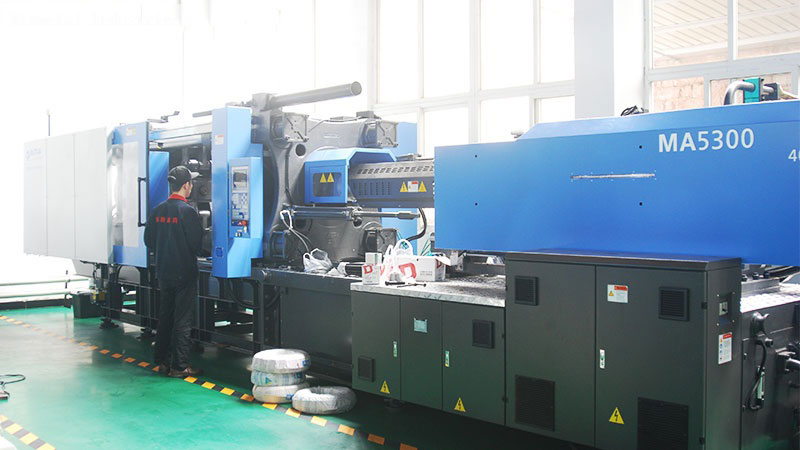
Category: Custom molds for resin

  • rubber mold manufacturers near me: Reliable Manufactur 2026

    For overseas buyers, the search for “rubber mold manufacturers near me” often ends with the realization that the most competitive solutions are not local, but global. The heart of precision manufacturing for countless industries beats strongly in China, home to a vast ecosystem of highly specialized and cost-effective mold producers. However, procuring high-quality rubber or injection molds from a China mold factory involves navigating distance, cultural differences, and supply chain complexity. This guide is designed to transform that challenge into a strategic advantage, providing you with a clear, actionable roadmap to identify, vet, and partner with reliable Chinese manufacturers in 2026 and beyond.

    The initial search phase is critical. Moving beyond simple online directories requires a targeted approach. Start by leveraging international B2B platforms like Alibaba, Made-in-China, and Global Sources, but use advanced filters to focus on suppliers with verified transaction histories and “Gold Supplier” status. More importantly, supplement this by searching for industry-specific trade shows, such as the China International Mold and Die Exhibition. Companies that invest in exhibiting there often represent established technical capability. Furthermore, use precise technical keywords in your searches—”silicone rubber compression mold,” “LSR injection mold,” “EDM precision mold making”—to bypass generic exporters and reach specialized workshops. This refined search strategy moves you closer to true manufacturers rather than intermediaries.

    Once you have a shortlist, rigorous supplier verification becomes your most important task. This goes far beyond checking business licenses. Request a detailed company profile including factory floor size, list of core machinery (e.g., CNC, EDM, CMM), and engineering team qualifications. Insist on a video conference call and demand a real-time virtual factory tour; a reputable China mold factory will have no issue showing you their production environment and ongoing projects. Ask for at least five references from existing overseas clients, specifically in your region or industry, and actually contact them. Inquire about the supplier’s communication responsiveness, problem-solving attitude, and adherence to deadlines. This due diligence is your first and most effective form of quality control.

    Before any quote is finalized, mastering the technical and commercial discussion is essential. A professional manufacturer will not give a price based solely on a 3D file. They will conduct a formal Design for Manufacturability (DFM) review. Expect and encourage this. A thorough DFM report will analyze your part design, suggest improvements for mold flow, venting, and ejection, and recommend appropriate steel grades (like P20, H13, or S136) for your specific material and volume. This collaborative stage prevents costly revisions later. Regarding the quotation, ensure it is broken down into clear line items: mold base cost, cavity/core machining, hot runner system (if applicable), trial shot costs, and shipping. Understand the payment terms—typically a 30-50% deposit with balance before shipment—and never agree to 100% upfront.

    Effective quality control is a phased process, not a single inspection. Define your quality standards explicitly upfront using agreed-upon drawings, tolerances, and material certifications. The first major checkpoint is the First Article Inspection (FAI) after the initial trial shots. Require comprehensive inspection reports with dimensional results, photos, and video of the trial process. For higher-value orders, engage a trusted third-party quality inspection service in China to conduct an on-site Pre-Shipment Inspection (PSI) when the production mold is complete. They will verify workmanship, final part dimensions, and functionality. For injection mold projects, also agree on a sample approval process before mass production begins. This layered QC approach protects your investment and ensures the mold meets your production requirements.

    Building a successful partnership extends beyond the first order. Clear, consistent communication is vital. Appoint a single point of contact on both sides and use collaborative tools like shared cloud folders for drawings and updates. Consider starting with a smaller, less complex mold project to evaluate the partnership before committing to larger orders. A reliable manufacturer will view this as an opportunity to prove their capability. Furthermore, discuss long-term support: what are their terms for mold maintenance, repair, and future modifications? Establishing these protocols turns a one-time procurement into a strategic, long-term manufacturing relationship that provides sustained value.

    In conclusion, while your search may begin with “rubber mold manufacturers near me,” your most reliable and competitive solution for 2026 likely lies in a strategic partnership with a specialized China mold factory. The path to success is built on meticulous research, uncompromising verification, collaborative technical planning, and structured quality control. By following these actionable steps, you transform the perceived risks of overseas procurement into measurable advantages: superior technical expertise, significant cost savings, and scalable production capacity. The goal is not just to import a mold, but to secure a manufacturing asset and a partner that will contribute to your product’s quality and your company’s profitability for years to come.

    Work With Us

    As a professional China mold manufacturer, we provide one-stop mold solution for overseas buyers.
    📞 Phone: +86-18605944639
    💬 WhatsApp: +8618605944639
    🌐 Website: bestmoldworks.com
    📧 Email: [email protected]
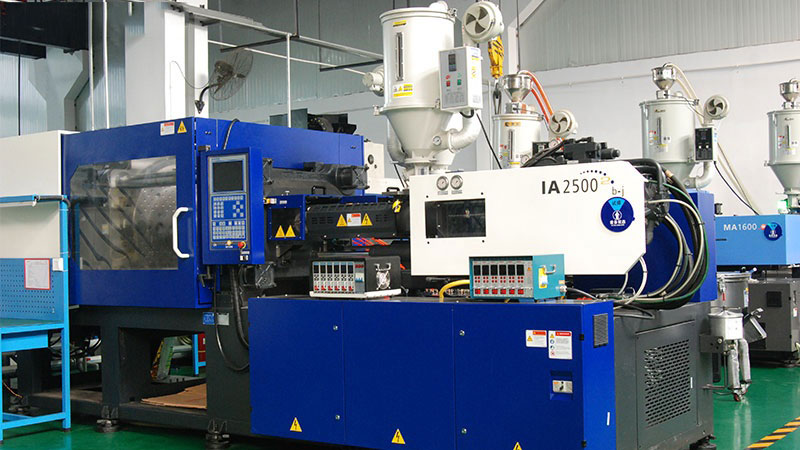
  • injection mold China: Reliable Manufacturers Guide 2026

    For overseas buyers, the decision to import injection molds from China represents a significant strategic advantage, offering unparalleled cost efficiency, advanced manufacturing capabilities, and rapid scalability. However, the path to a successful partnership is often obscured by concerns about supplier reliability, quality consistency, and communication barriers. This guide for 2026 cuts through the noise, providing a professional, actionable framework to navigate the Chinese manufacturing landscape and secure a trustworthy partner for your injection mold project.

    The cornerstone of a successful import venture is rigorous supplier verification. Moving beyond a simple Alibaba search is imperative in the current market. Start by identifying a China mold factory with demonstrable expertise in your specific industry, whether it be automotive components, medical devices, consumer electronics, or precision engineering. Scrutinize their digital footprint: a professional website with detailed case studies, technical blogs, and client testimonials is a positive indicator. Utilize third-party verification platforms for business license checks and assess their export history. Crucially, initiate contact with a detailed Request for Quotation (RFQ) that includes comprehensive 3D drawings, material specifications, expected volumes, and quality standards. A reliable supplier will respond with insightful questions about your design, potential manufacturability issues, and material recommendations, not just a bare-minimum price. This proactive engagement separates true partners from transactional vendors.

    Once a shortlist is established, a deep dive into technical capability and quality control processes is non-negotiable. The term injection mold encompasses vast complexity, from simple single-cavity tools to sophisticated multi-slide or hot runner systems. Inquire explicitly about the factory’s in-house machinery: the types and ages of CNC, EDM, and wire-cutting equipment. For 2026, leading manufacturers are integrating digital twins and mold flow analysis software as standard practice; request a simulation report to validate their technical approach. The most critical phase is auditing their quality control protocol. A transparent supplier will have a documented Quality Management System (QMS), often ISO 9001 certified. Key checkpoints include First Article Inspection (FAI) reports, Coordinate Measuring Machine (CMM) data for critical dimensions, and a clear process for mold trial and sampling. Insist on high-definition video of the initial trial run, showing part ejection, cycle time, and any imperfections. This level of scrutiny during procurement mitigates costly corrections post-production.

    Effective communication and contract clarity are the bedrock of managing any overseas project. Establish direct lines of communication with both a project manager and a lead engineer, using professional platforms like email, WeChat, or Microsoft Teams. Clearly define all milestones, approval stages, and deliverables in a formal Purchase Order or contract. This document should meticulously detail technical specifications (steel grade, hardness, surface finish, tolerances), payment terms (typically a staggered 30-50-20% structure linked to milestones), intellectual property protection clauses, and protocols for handling design changes. Specify the format and frequency of updates, such as weekly reports with photos and data. Addressing these aspects upfront prevents misunderstandings and ensures both parties are aligned on expectations, transforming a distant transaction into a collaborative partnership.

    The final, often-overlooked phase is post-manufacturing support and logistics planning. A reliable China mold factory views the delivery of the tool as the beginning of the relationship, not the end. Discuss their policy on warranty, which should cover workmanship and material defects for a minimum of 12-24 months. Understand their process for handling maintenance, repair, or future modifications. Simultaneously, develop a robust logistics plan. Molds are high-value, heavy, and sensitive cargo. Work with your supplier or a trusted freight forwarder to arrange professional crating, optimal shipping terms (Incoterms 2020), and adequate marine insurance. Ensure all necessary documentation, including a detailed commercial invoice, packing list, and certificate of origin, is prepared accurately to smooth customs clearance in your country. Proactive planning for this stage safeguards your investment and ensures a seamless transition to production.

    Successfully importing an injection mold from China in 2026 demands a methodical, informed approach that prioritizes due diligence and partnership over price alone. By implementing a stringent supplier verification process, demanding transparency in technical capabilities and quality control, formalizing communication through clear contracts, and planning for long-term support and logistics, you transform perceived risks into a competitive advantage. The Chinese manufacturing sector continues to evolve, with leading factories offering world-class engineering and reliability. Your diligence in selecting the right partner is the most critical component of your project’s success, ensuring that your investment in an injection mold China delivers the quality, performance, and value your business requires for years to come.

    Work With Us

    As a professional China mold manufacturer, we provide one-stop mold solution for overseas buyers.
    📞 Phone: +86-18605944639
    💬 WhatsApp: +8618605944639
    🌐 Website: bestmoldworks.com
    📧 Email: [email protected]
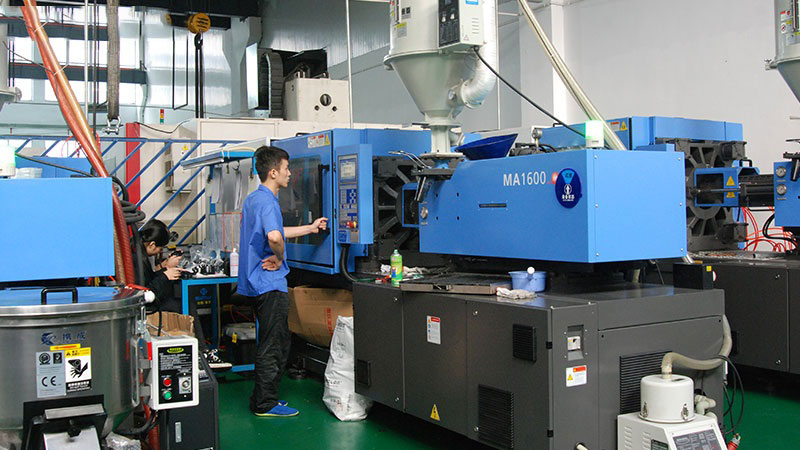
  • rubber mold manufacturers near me: Complete Procurement 2026

    For overseas buyers, the search for “rubber mold manufacturers near me” often concludes with a strategic pivot: looking towards the global manufacturing hub, China. While local suppliers offer proximity, China provides an unparalleled combination of advanced technical capabilities, scalable production, and cost efficiency that is critical for competitive projects. However, navigating this complex supply chain from afar requires a modern, informed approach. This guide serves as your complete procurement playbook for 2026, moving beyond simple supplier lists to deliver actionable strategies for securing high-quality, reliable rubber and injection mold production in China.

    The initial search phase is where many procurement journeys falter. Moving past generic online directories is crucial. In 2026, successful sourcing begins with targeted platform use and deep verification. Start on B2B platforms like Made-in-China.com or Alibaba.com, but use precise keywords: “silicone rubber mold factory,” “precision rubber molding,” or “injection mold for rubber.” More importantly, immediately shift focus to supplier verification. Scrutinize business licenses, years in operation, and audited supplier statuses. Request and actually contact client references from your region. A preliminary video call to tour the facility, even virtually, is a non-negotiable first step. This moves you from a list of names to a shortlist of vetted potential partners, saving immense time and mitigating early-stage risk.

    Once a shortlist is established, technical communication and prototyping become the linchpin of success. The complexity of rubber molding—involving material selection (from silicone and EPDM to nitrile), shrinkage rates, and post-curing processes—demands clarity. Your request for quotation (RFQ) package must be exceptionally detailed. Include not just CAD drawings (STEP or IGS files), but a comprehensive specification sheet covering material grade, hardness (Shore A), temperature resistance, color standards, tolerance levels (ISO 3302-1 is a common reference), and expected lifespan. Reputable China mold factories expect and respect this detail. Insist on a prototype or 3D-printed sample before full mold fabrication begins. This phase is an investment in clarity, ensuring both parties have identical expectations for the final injection mold or compression mold tooling.

    The decision point—selecting and contracting with your manufacturer—requires a balance of trust and formal protection. Price will be a factor, but the cheapest quote is often the most expensive path. Analyze the breakdown: does it cover mold flow analysis, sample costs, and minor revisions? Discuss payment terms strategically; a secure escrow service or a staggered payment schedule (e.g., 30% deposit, 40% after sample approval, 30% before shipment) aligns interests. The contract must explicitly state ownership of the mold design and tooling. Crucially, include provisions for quality control (QC) protocols, defining acceptable defect rates, measurement methods, and the process for addressing non-conforming goods. This legal and commercial framework is your primary safeguard.

    Proactive quality control is the defining practice of professional importers. You cannot outsource oversight entirely. For rubber mold procurement, a multi-stage QC inspection is essential. Stage one occurs after the master mold is manufactured but before mass production begins. This verifies the tooling precision. Stage two is during production runs (known as During Production Inspection or DUPRO), checking for consistency in dimensions, material integrity, and flash. The final pre-shipment inspection is your last line of defense. While many Chinese factories have in-house QC, hiring an independent third-party inspection firm based in the manufacturing region provides unbiased verification. They will check against your approved sample and specifications, providing documented evidence before goods are shipped and balances are paid.

    Logistics and long-term partnership management transform a transaction into a strategic asset. Understand Incoterms thoroughly; FOB (Free On Board) is common, giving you control over shipping and insurance. Ensure the manufacturer properly prepares the molds—often heavy and precision-engineered—for ocean freight with adequate crating and desiccant to prevent rust. Upon successful completion of your first order, view the relationship as a partnership. Provide constructive feedback, discuss future projects, and explore their capabilities in adjacent areas like overmolding or multi-material injection mold design. A reliable supplier becomes an extension of your R&D and production team, offering value far beyond unit cost.

    In conclusion, the search for “rubber mold manufacturers near me” is best resolved by mastering the art and science of international procurement from China. The landscape in 2026 rewards buyers who combine rigorous digital verification with hands-on technical collaboration and unyielding quality control. By methodically implementing this process—from deep supplier verification and precise technical communication to independent inspections and strategic contracting—you secure more than just a mold. You build a reliable supply chain partner capable of delivering the precision, quality, and value necessary to compete and win in your market. The complete procurement journey is one of diligent process, and it begins with looking in the right place, with the right knowledge.

    Work With Us

    As a professional China mold manufacturer, we provide one-stop mold solution for overseas buyers.
    📞 Phone: +86-18605944639
    💬 WhatsApp: +8618605944639
    🌐 Website: bestmoldworks.com
    📧 Email: [email protected]
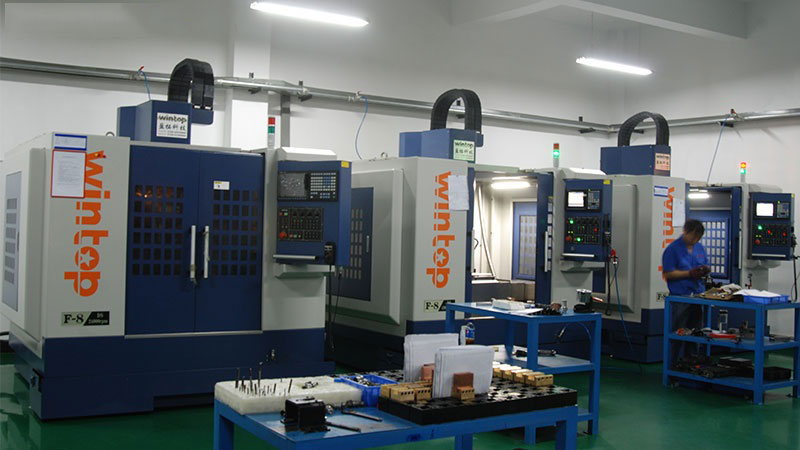
  • injection molding factory in china: Ultimate Guide for 2026

    For overseas buyers, partnering with an injection molding factory in China remains one of the most strategic decisions to achieve cost efficiency and scalable production. However, the landscape is evolving rapidly. As we look toward 2026, success hinges on moving beyond simple price comparisons to building intelligent, resilient supply chains. This guide cuts through the noise to provide a professional, actionable framework for your procurement journey, helping you solve real problems and secure a reliable manufacturing partner.

    The foundation of a successful import project is selecting the right China mold factory. The initial search can be overwhelming, with thousands of options ranging from small workshops to fully integrated facilities. Your first step is to align the factory’s capabilities with your project’s core requirements. Consider the mold complexity, material specifications, expected annual volumes, and necessary certifications like IATF 16949 for automotive or ISO 13485 for medical devices. Utilize B2B platforms not just for sourcing, but for preliminary research—analyze their listed machinery, such as the tonnage of injection molding machines and the presence of CNC or EDM equipment for mold manufacturing. A factory that openly discusses its technical capabilities and asks detailed questions about your design is often more reliable than one that immediately offers the lowest quote. Remember, the goal is to identify partners who can grow with you into 2026 and beyond.

    Once you have a shortlist, rigorous supplier verification becomes non-negotiable. A professional website and fluent English communication are baseline expectations, not indicators of reliability. You must dig deeper. Insist on a virtual factory tour via video call; a reputable injection molding factory in china will readily show you their production floor, quality control stations, and warehouse in real-time. Request and contact references from their existing overseas clients, specifically those in your region or industry. Verify their business license through third-party services to confirm legal standing and registered capital. Furthermore, check for any history in trade dispute records. This due diligence phase is an investment that mitigates immense risk down the line. In the current climate, transparency is the most valuable currency, and a factory unwilling to provide verification is a significant red flag.

    With a verified partner, defining the commercial and technical framework is critical. A clear, detailed Request for Quotation (RFQ) and subsequent contract will prevent misunderstandings. Your RFQ should include not just part drawings, but also a comprehensive checklist: material grade, surface finish requirements, tolerance standards, cavity number, and expected mold lifespan. The contract must explicitly cover payment terms, a phased payment schedule linked to milestones, intellectual property ownership, and liability clauses. Crucially, define the protocol for Engineering Change Orders (ECOs) and associated costs. For the injection mold itself, agree on a trial and approval process. Will samples be shipped for your evaluation? How many trial cycles are included? Who bears the cost of mold modifications? Documenting these specifics protects both parties and ensures the project begins on a foundation of clarity.

    Proactive quality control is the linchpin of successful importation. You cannot afford to adopt a “ship and hope” approach. Implement a multi-stage QC strategy. Start with a First Article Inspection (FAI) after the initial mold trial, where every dimension on the sample is verified against the drawing. For ongoing production, specify the frequency of In-Process Quality Checks and the statistical methods used. Most importantly, engage a reputable third-party quality inspection service to conduct a Pre-Shipment Inspection (PSI) at the factory before goods are containerized. This independent audit should check for dimensional accuracy, material conformity, cosmetic defects, and functional performance. This step provides an objective assessment and the leverage to address issues before shipment. Leading factories expect and respect this level of diligence from professional international buyers.

    Finally, view your partnership through a long-term strategic lens. The most successful import relationships evolve beyond a transactional buyer-supplier dynamic. As we advance toward 2026, discuss your partner’s roadmap—are they investing in automation, sustainable practices, or new material expertise? Consider establishing joint KPIs for on-time delivery, quality yield, and communication responsiveness. Foster open dialogue about supply chain challenges and collaborative solutions. A forward-thinking China mold factory will appreciate your strategic interest and will be more likely to prioritize your projects, offer insights on design for manufacturability, and provide stability in a dynamic market. This collaborative approach transforms your supplier into a true extension of your operations.

    In conclusion, importing molds and parts from China in 2026 demands a sophisticated blend of diligent verification, precise contracting, and unwavering quality oversight. The ultimate goal is to transform the inherent advantages of Chinese manufacturing—cost, scale, and speed—into a durable competitive edge for your business. By following this professional framework, you move from being just an overseas buyer to becoming a valued partner. You will not only secure a high-quality injection mold but also build a supply chain relationship that delivers reliability, innovation, and value for years to come. Start your procurement journey with these actionable steps, and position your project for success in the evolving global manufacturing landscape.

    Work With Us

    As a professional China mold manufacturer, we provide one-stop mold solution for overseas buyers.
    📞 Phone: +86-18605944639
    💬 WhatsApp: +8618605944639
    🌐 Website: bestmoldworks.com
    📧 Email: [email protected]
  • custom injection mould manufacturer: Expert Tips & Sol 2026

    Navigating the landscape of manufacturing in China presents a significant opportunity for overseas buyers seeking cost-effective, high-quality tooling. As we approach 2026, the process of importing molds has evolved beyond simple price comparison. The core challenge is no longer just finding a custom injection mould manufacturer, but identifying a competent, transparent, and reliable partner capable of transforming your design into a precision tool that delivers flawless production parts. This blog provides actionable, forward-looking strategies to solve real procurement problems, mitigate risks, and establish a successful supply chain with a China mold factory.

    The foundation of a successful import project lies in rigorous supplier verification, a step too critical to rush. In 2026, due diligence must be multi-layered. Start by moving past glossy websites and Alibaba storefronts. Demand evidence of technical capability specific to your project. A professional custom injection mould manufacturer should readily provide CAD/CAE analysis (like mold flow simulations) of a similar past project upon request. Verify business licenses via third-party platforms and insist on a video tour of their facility. Pay close attention to their machine park—modern, well-maintained EDM, CNC, and CMM machines are non-negotiable for precision. Furthermore, check for relevant industry certifications; while ISO 9001 is standard, specific automotive (IATF 16949) or medical certifications are crucial for those sectors. This phase is about confirming their ability to execute, not just their willingness to quote.

    Once a potential partner is shortlisted, mastering the technical and commercial discussion is paramount. Your request for quotation (RFQ) package must be impeccable. Include detailed 3D part drawings (STEP or IGS), material specifications, expected annual volumes, and cosmetic requirements. Clearly define who is responsible for mold design—a collaborative approach where the China mold factory provides DFM (Design for Manufacturability) feedback is a strong indicator of expertise. When reviewing quotes, dissect the cost breakdown. A suspiciously low bid often signals corner-cutting on steel quality, standard components, or engineering hours. Discuss the mold lifecycle: what is included in the price (e.g., trial samples, first article inspection reports), and what are the terms for future maintenance and repairs? Establishing these protocols upfront prevents costly misunderstandings and ensures the injection mold is built for longevity, not just the initial sample.

    Proactive and structured quality control, integrated from the start, is your primary risk mitigation tool. The old model of waiting for the final sample is obsolete. Implement staged QC milestones with clear deliverables. These should include: approval of mold design and DFM report, inspection of mold base and core/cavity steel (material certificates are a must), a pre-trials inspection of the finished mold tool, and finally, a rigorous First Article Inspection (FAI) on samples from the T1 trial. Partner with a local third-party inspection company to conduct these checks, especially the critical mold trial and FAI. They can verify dimensions, surface finish, and part functionality on-site. This process transforms quality from a hopeful outcome into a managed, verified sequence, ensuring the final injection mold meets all specifications before it ships.

    The final phase encompasses logistics, intellectual property protection, and long-term partnership. Ensure your contract includes clear IP clauses, assigning all design rights of the mold to your company. Physically, the mold should be stamped with your company name and a unique asset number. For logistics, understand Incoterms thoroughly; FOB is common, but you must confirm who handles domestic freight to the Chinese port. Consider mold insurance for the sea freight journey. Upon receipt, schedule a production run at your facility or a trusted contract manufacturer to fully validate the tool’s performance. A reliable custom injection mould manufacturer will offer supportive warranty terms, typically covering workmanship and materials for one year. View this not as the end of a transaction, but as the beginning of a strategic partnership for future projects.

    In conclusion, importing an injection mold from China in 2026 demands a blend of technical diligence, process transparency, and strategic partnership building. The journey from procurement to production is paved with detailed verification, collaborative engineering, embedded quality control, and clear contractual frameworks. By adopting these expert solutions, you move beyond being just an overseas buyer to becoming a valued client. You will not only secure a high-quality tool but also establish a relationship with a China mold factory that can become a cornerstone of your product development and manufacturing strategy for years to come, turning the complexity of global sourcing into a competitive advantage.

    Work With Us

    As a professional China mold manufacturer, we provide one-stop mold solution for overseas buyers.
    📞 Phone: +86-18605944639
    💬 WhatsApp: +8618605944639
    🌐 Website: bestmoldworks.com
    📧 Email: [email protected]
  • custom molded part: Reliable Manufacturers Guide 2026

    For overseas buyers, sourcing a custom molded part represents a critical step in product development. It balances innovation with cost-efficiency, yet the path to a successful outcome hinges on one pivotal decision: selecting the right manufacturing partner in China. The market is vast, and while opportunities for quality and savings are significant, so are the risks of missteps in procurement. This guide for 2026 cuts through the complexity, offering a professional, actionable framework to identify, verify, and collaborate with reliable China mold factories. Our focus is on solving real problems you face—from supplier verification to final quality control—ensuring your injection mold project transitions from concept to flawless production.

    Begin with strategic supplier identification, moving beyond basic directories. In 2026, a sophisticated approach is required. Start by leveraging industry-specific B2B platforms but use advanced filters for certifications like IATF 16949 for automotive or ISO 13485 for medical devices. However, do not stop there. The most reliable manufacturers are often discovered through peer networks and industry referrals. Attend specialized trade shows, either virtually or in person, such as Chinaplas or the Dongguan International Mold & Metal Exhibition. These venues allow you to assess a China mold factory’s technical capabilities and professionalism directly. Furthermore, utilize professional sourcing agents with engineering backgrounds who can perform preliminary technical screenings. Your goal is to create a shortlist of partners who not only claim to make an injection mold but can demonstrate a proven track record in your specific material and part complexity.

    Conducting thorough supplier verification is your most powerful risk mitigation tool. A modern factory tour, often via live video call, is non-negotiable. In 2026, expect reputable suppliers to be transparent and technologically equipped for this. During the virtual audit, scrutinize their machine park—look for modern, well-maintained injection molding machines from brands like Engel, Arburg, or Haitian, and precision mold-making equipment like CNC and EDM. Critically assess their in-house capabilities: do they perform mold flow analysis digitally before cutting steel? Do they have dedicated quality control stations with coordinate measuring machines (CMM) and vision systems? Verify business licenses and export records independently. Crucially, request and contact references from past overseas clients, specifically those who procured similar custom molded parts. Ask detailed questions about communication, problem-solving, and adherence to timelines. This due diligence separates marketing claims from operational reality.

    Mastering the technical and commercial negotiation phase prevents costly misunderstandings. When requesting a quotation, provide a comprehensive package: a detailed 3D CAD model (STEP or IGES), 2D drawings with GD&T tolerances, material specifications (including grade and color), and expected annual volumes. A professional China mold factory will analyze these and provide a breakdown: mold cost, piece-part price, and lead time. In 2026, discussions must include intellectual property protection. Insist on a legally binding Non-Disclosure Agreement (NDA) and a contract that clearly states IP ownership. Negotiate payment terms strategically; a standard structure like 50% upfront, 40% after sample approval, and 10% after shipment balances risk. Be wary of prices significantly below market average, as this often correlates with corner-cutting on steel quality, machining precision, or process control. The goal is a partnership agreement that ensures value, not just the lowest initial cost.

    Implementing a rigorous, multi-stage quality control protocol is essential for a successful custom molded part outcome. Agree on a Quality Control Plan before mold fabrication begins. This plan should define critical checkpoints: First Article Inspection (FAI) using the initial samples from the mold, a Pre-Shipment Inspection (PSI) for production batches, and during-production checks if volumes are high. The mold trial stage is particularly critical. Require a detailed Trial Report including photos, videos of the molding process, and data sheets documenting key parameters like injection pressure, cycle time, and cavity temperature. Measurements of the samples against your drawings must be provided. For high-precision parts, consider engaging a local third-party quality inspection firm to conduct an independent PSI. This provides an unbiased report on dimensions, appearance, and function before the container is sealed. Proactive quality management transforms you from a passive buyer into an informed partner, ensuring the final injection mold delivers consistent, specification-compliant parts.

    In conclusion, importing a high-quality custom molded part from China in 2026 demands a methodical, technology-enabled, and partnership-focused approach. The landscape is competitive, but reliability is built on transparent verification, clear technical communication, and collaborative quality governance. By strategically identifying specialists, conducting exhaustive due diligence, negotiating with precision, and enforcing staged quality controls, you significantly de-risk your procurement process. This guide provides the framework to move beyond simple price sourcing to building a strategic alliance with a China mold factory. Such a partnership not only secures your immediate project but becomes a valuable asset for future innovation and supply chain resilience, turning the challenge of overseas manufacturing into a definitive competitive advantage.

    Work With Us

    As a professional China mold manufacturer, we provide one-stop mold solution for overseas buyers.
    📞 Phone: +86-18605944639
    💬 WhatsApp: +8618605944639
    🌐 Website: bestmoldworks.com
    📧 Email: [email protected]

  • mold factory: Ultimate Guide for Buyers 2026 | China Mold Factory

    Navigating the landscape of Chinese manufacturing can be the key to unlocking significant competitive advantage, especially when it comes to precision tooling. For overseas buyers, sourcing a high-quality injection mold from a reliable China mold factory is a critical step that impacts product quality, time-to-market, and overall cost. However, the process is fraught with potential pitfalls, from supplier verification to consistent quality control. This guide is designed to cut through the complexity. We provide a structured, actionable framework for your procurement journey in 2026, ensuring you partner with a mold factory that delivers on its promises.

    Conducting Deep Supplier Verification Beyond the Surface

    The first and most crucial step is moving beyond a simple online search. A professional website is a baseline, not a guarantee. True supplier verification requires a multi-layered approach. Start by confirming business licenses and export credentials. Then, insist on a live video tour of the manufacturing facility. A reputable China mold factory will readily showcase its CNC machining centers, EDM equipment, and CMM inspection rooms. Pay close attention to the shop floor organization and the technicians’ expertise. Furthermore, request a detailed client list and follow up with references, specifically asking about communication, problem-solving, and post-sales support. In 2026, leveraging professional third-party inspection agencies for an initial factory audit is a cost-effective strategy to validate capabilities before you commit.

    Mastering the Technical and Commercial Quotation Process

    A clear and comprehensive Request for Quotation (RFQ) is your primary tool for ensuring accurate bids and avoiding hidden costs. Simply sending a 3D model is insufficient. Your RFQ package must include the part design (with critical dimensions and tolerances highlighted), material specifications (grade and supplier), expected annual volumes, and target piece price for the molded parts. Crucially, specify the mold steel type (e.g., P20, H13, S136), cavity surface finish, lifetime expectations (number of shots), and all required certifications. This detail allows the mold factory to provide a like-for-like quotation. Analyze quotes meticulously: a suspiciously low bid often indicates shortcuts in material quality, machining precision, or future support. The goal is to compare value, not just price.

    Implementing a Phased Quality Control and Milestone Payment Plan

    Quality cannot be inspected into a mold; it must be built in. Align your payment schedule with key manufacturing milestones to maintain leverage and oversight. A standard and effective structure is: 30% deposit, 40% upon approval of the First Article Inspection (FAI) report and mold trial video, and 30% after final approval before shipping. Insist on documented evidence at each stage. This includes material certificates for the steel, photos of the finished mold cavity, a full dimensional report from the trial shots, and high-definition videos of the molding process showing part ejection and cycle time. For high-value projects, plan for an in-person or third-party inspector’s visit during the final trial to approve samples. This phased approach in your procurement process minimizes financial risk.

    Planning for Logistics, IP Protection, and Long-Term Partnership

    The journey isn’t over when the mold is approved. Discuss Incoterms (FOB, CIF, etc.) clearly to define responsibilities and costs for shipping and insurance. Molds are heavy and valuable; ensure proper crating and insurance coverage. Intellectual property protection is a valid concern. Work with a factory that demonstrates professionalism by being willing to sign a Non-Disclosure Agreement (NDA) and a detailed mold ownership contract. This contract should explicitly state that all design files, the physical mold, and any associated tooling are your exclusive property. View this not just as a single transaction but as the foundation of a long-term partnership. A trustworthy supplier will provide excellent maintenance advice and be responsive for future modifications or repairs, turning your chosen mold factory into a strategic asset.

    Conclusion

    Importing molds from China in 2026 demands a blend of diligent research, clear communication, and structured process control. By executing thorough supplier verification, preparing exhaustive technical documentation, enforcing milestone-based quality checks, and securing your intellectual property legally, you transform a complex procurement challenge into a streamlined success. The goal is to build a collaborative relationship with a professional China mold factory that understands your standards. This strategic approach not only secures a high-quality injection mold for your immediate project but also establishes a reliable manufacturing partnership that will support your product development and growth for years to come.

    Work With Us

    As a professional China mold manufacturer, we provide one-stop mold solution for overseas buyers.
    📞 Phone: +86-18605944639
    💬 WhatsApp: +8618605944639
    🌐 Website: bestmoldworks.com
    📧 Email: [email protected]

  • plastic injection mould manufacturer in china: Best Sup 2026

    For overseas buyers, sourcing a reliable plastic injection mould manufacturer in China represents a significant strategic advantage. The potential for cost savings, rapid prototyping, and scalable production is immense. However, the path to a successful partnership is often paved with challenges: navigating cultural and language barriers, verifying supplier credibility, and ensuring consistent quality from across the globe. This guide is designed to cut through the noise and provide you with a clear, actionable framework for your procurement journey in 2026 and beyond. By focusing on practical verification and communication strategies, you can transform the complexity of international sourcing into a competitive edge for your business.

    The cornerstone of a successful import project is thorough supplier verification. Moving beyond a simple Alibaba listing is non-negotiable. Begin by scrutinizing the China mold factory’s digital footprint. A professional manufacturer will have a detailed website showcasing engineering capabilities, machinery lists (e.g., CNC, EDM, mold testing presses), and a portfolio of past projects. Look for client testimonials or case studies, particularly from companies in your region or industry. Utilize third-party verification services to check business licenses and export credentials. The most critical step, however, is to request and conduct a virtual factory audit. A live video tour allows you to assess workshop organization, equipment condition, and quality control stations in real-time, providing a transparent view far more reliable than curated photos.

    Once a potential partner is identified, the focus must shift to precision in technical communication. Ambiguity in mold design and specifications is the primary cause of cost overruns and delays. To mitigate this, develop a comprehensive and unambiguous Technical Data Sheet. This should include detailed 3D drawings (STEP or IGS files), material specifications (including grade and supplier preferences), cavity requirements, tolerance levels, surface finish specifications (SPI standards), and expected cycle times. Clearly outline post-molding requirements such as assembly, packaging, and any necessary certifications. Employing bilingual technical diagrams can bridge language gaps effectively. Investing time in this stage ensures both you and the injection mold supplier are aligned, minimizing costly revisions later.

    Proactive quality control integration from the outset is what separates successful importers from those facing logistical nightmares. Do not treat QC as a final inspection before shipment. Instead, define a staged QC protocol with your chosen plastic injection mould manufacturer in China. Key inspection points should include: a First Article Inspection (FAI) after the mold is manufactured, a T1 sample approval process with dimensional reports, and pre-shipment audits of production batches. Specify the use of measuring instruments like CMMs and provide clear Acceptable Quality Level (AQL) standards. For high-volume or critical components, consider engaging a local third-party quality inspection firm to act as your eyes on the ground. This layered approach protects your investment and ensures the final product meets your exact requirements.

    Understanding and navigating the commercial and logistical framework is equally vital. Be clear on payment terms; common structures like 50% deposit and 50% before shipment are standard, but negotiate based on project size and trust. Ensure all Incoterms (e.g., FOB, EXW) are explicitly agreed upon to avoid hidden freight costs. Discuss intellectual property protection upfront—a reputable supplier will sign a Non-Disclosure Agreement (NDA) and may offer mold ownership agreements. Finally, plan for logistics. Factor in lead times for mold fabrication, sampling, and sea freight. Establish a clear protocol for documentation, including commercial invoices, packing lists, and certificates of origin, to ensure smooth customs clearance in your country.

    Building a relationship with your China mold factory is a strategic endeavor, not a transactional purchase. View your supplier as a long-term manufacturing partner. Consistent communication, fair negotiations, and prompt feedback foster trust and reliability. A partner invested in your success is more likely to prioritize your projects, offer proactive solutions, and support you with maintenance, spare parts, or future mold modifications. This relationship-centric approach is the ultimate risk mitigation strategy, turning your chosen injection mold supplier into a dependable extension of your own production capability.

    In conclusion, mastering the import of molds from China in 2026 demands a disciplined, informed approach centered on verification, clear communication, and integrated quality control. By meticulously vetting your injection mold supplier, eliminating technical ambiguity, enforcing rigorous quality checks, and structuring a solid commercial partnership, you unlock the true value of the Chinese manufacturing ecosystem. The goal is not merely to find a vendor but to identify a capable and reliable manufacturing partner. Implementing these actionable tips will significantly de-risk your procurement process, ensuring that your engagement with a plastic injection mould manufacturer in china delivers the quality, efficiency, and competitive advantage your business requires to thrive.

    Work With Us

    As a professional China mold manufacturer, we provide one-stop mold solution for overseas buyers.
    📞 Phone: +86-18605944639
    💬 WhatsApp: +8618605944639
    🌐 Website: bestmoldworks.com
    📧 Email: [email protected]

  • plastic moulding factory: Complete Procurement Guide 2026

    For overseas buyers, the decision to import molds from China represents a significant strategic advantage, offering unparalleled cost efficiency and manufacturing scale. However, navigating the vast landscape of Chinese manufacturing can be daunting. This guide is designed to cut through the complexity, providing a clear, actionable roadmap for 2026. We will move beyond simple directory listings and focus on the practical steps and verified strategies you need to partner with a reliable plastic moulding factory, secure high-quality injection molds, and build a supply chain that drives your product’s success.

    The foundation of a successful import project lies in meticulous supplier identification and verification. The term “China mold factory” encompasses a massive range of capabilities, from small workshops to fully integrated, automated facilities. Your first step is to leverage modern B2B platforms like Alibaba and Made-in-China, but with a critical eye. Use advanced filters for transaction history, verified assessments, and response rates. Crucially, move beyond the platform. A professional plastic moulding factory will have a functional, informative website showcasing their engineering portfolio, machine list, and client case studies. Initiate contact with a detailed Request for Quotation (RFQ) that includes not just part drawings, but material specifications, expected annual volumes, and quality standards. The responsiveness and technical questioning from the supplier at this stage are your first real indicators of professionalism. Always insist on a video call to tour the facility virtually; seeing the workshop floor, the maintenance level of injection molding machines, and the cleanliness of the assembly area is invaluable.

    Once you have shortlisted potential partners, deep due diligence is non-negotiable. Supplier verification in 2026 means going deeper than a business license. For critical projects, engage a reputable third-party inspection company based in China to conduct an on-site audit. This audit should assess the factory’s quality management systems, production capacity, mold maintenance protocols, and engineering team expertise. Specifically for injection mold procurement, request and contact references from past overseas clients, particularly those in your region or industry. Inquire about their experience with communication, problem-solving, and post-sales support. Furthermore, verify the factory’s experience with the specific type of mold you need—whether it’s for high-precision technical components, multi-cavity production molds, or molds using specialized materials like LCP or PEEK. A trustworthy China mold factory will be transparent and willing to provide this evidence.

    The heart of the import process is the technical and commercial negotiation, where clarity prevents future conflict. Your technical data package must be comprehensive: provide 3D CAD files (STEP or IGS) and 2D drawings with GD&T tolerances clearly defined. Specify the mold steel grade (e.g., S136, H13, P20), cavity surface finish, and expected lifecycle. Discuss and agree upon a structured payment plan that protects both parties, such as 30-50% deposit, 40-50% after pre-shipment sample approval, and the balance before shipment. Crucially, define the prototyping and sampling process. A professional supplier will follow a T1, T2 sample approval cycle, providing first articles from the actual production mold for your thorough dimensional and functional testing. Use this phase to validate the mold’s performance before authorizing mass production. This step is the most critical point of quality control before significant costs are incurred in full-scale manufacturing.

    Proactive quality control integrated throughout the production cycle is what separates successful imports from costly failures. Do not assume quality; inspect it. Implement a multi-stage inspection protocol. The first inspection should occur after the mold is manufactured but before mass production begins, checking for workmanship and conformity to the agreed specifications. The most important inspection is the During Production Inspection (DPI), where an inspector visits the factory while your order is being run on the injection molding machine. They check random samples from the production line for dimensional accuracy, material consistency, and visual defects, providing real-time data and preventing large batches of non-conforming parts from being made. Finally, a Pre-Shipment Inspection (PSI) verifies the final packaged quantity and overall order integrity. This layered approach to quality control mitigates risk and ensures the output from your chosen plastic moulding factory meets your exact requirements.

    The final phase encompasses logistics, intellectual property protection, and relationship management. For mold shipment, decide between air freight for speed or sea freight for cost-effectiveness, and ensure the mold is properly crated and protected from rust. Intellectual property is a paramount concern. A robust Non-Disclosure Agreement (NDA) and a product-specific confidentiality agreement must be signed before sharing any technical documents. While legal enforcement can be challenging, partnering with a supplier that values long-term relationships over short-term gains is your best defense. View your supplier not as a vendor, but as a manufacturing partner. Clear, consistent communication, fair treatment, and prompt payments build trust and loyalty, which translates into better priority service, support during issues, and collaboration on future projects.

    In conclusion, importing molds from China in 2026 is a process that rewards diligence, structured processes, and strategic partnership. By methodically executing supplier verification, insisting on technical clarity, implementing rigorous quality control checkpoints, and fostering a professional relationship, you can unlock the immense value of Chinese manufacturing. The goal is to transform the complex procurement journey into a streamlined, reliable channel for acquiring high-quality injection molds. This guide provides the framework to do just that, enabling you to confidently select a capable China mold factory that will become a cornerstone of your product development and production success for years to come.

    Work With Us

    As a professional China mold manufacturer, we provide one-stop mold solution for overseas buyers.
    📞 Phone: +86-18605944639
    💬 WhatsApp: +8618605944639
    🌐 Website: bestmoldworks.com
    📧 Email: [email protected]

  • custom silicone mold manufacturer usa: Professional Buy 2026

    For overseas buyers, particularly those based in markets like the USA, the phrase “custom silicone mold manufacturer USA” often represents the end goal—a reliable, high-quality production partner. However, the strategic path to achieving this goal in 2026 increasingly leads to a well-chosen China mold factory. The landscape of global manufacturing is not about finding the cheapest option, but about building a strategic, value-driven supply chain. This guide is designed for professional buyers who understand that success hinges on meticulous procurement, rigorous supplier verification, and uncompromising quality control. We move beyond generic advice to provide actionable strategies for partnering with Chinese manufacturers who can deliver the precision and consistency your projects demand.

    The foundation of a successful import partnership is built long before the first mold is cut. It begins with precise technical definition and targeted supplier identification. Start by developing a comprehensive technical data package (TDP) for your custom silicone or injection mold. This should include detailed 3D CAD files, material specifications (e.g., food-grade silicone, high-temperature resins), critical tolerances, expected cavitation, and lifecycle requirements. This clarity is not just for you; it is the primary tool for filtering capable factories from general workshops. Use this TDP in your initial inquiries. A professional China mold factory will respond with specific questions about your design, material science, and application, not just a generic price quote. This initial dialogue is your first filter for technical competence and engagement level.

    With a shortlist of potential partners, the phase of deep supplier verification becomes non-negotiable. In 2026, due diligence extends far beyond checking a business license. Initiate a video audit of the facility. A reputable supplier will readily conduct a live walkthrough, showcasing their CNC machining centers, EDM equipment, and, crucially, their quality control lab with CMMs and other measuring instruments. Scrutinize their portfolio for projects similar in complexity and industry to yours—ask for case studies. Verify their export experience to your region, as familiarity with Western standards and logistics is a significant advantage. Furthermore, insist on speaking with two or three of their existing overseas clients. This step, though sometimes challenging to arrange, provides unparalleled insight into a supplier’s communication reliability, problem-solving approach, and after-sales support. This rigorous verification process is what transforms a distant factory into your trusted custom silicone mold manufacturer.

    The core of the procurement process is a contract that protects your interests and defines success. Move away from vague purchase orders and towards a detailed manufacturing agreement. This contract should explicitly outline the technical specifications, milestone payments tied to deliverables (e.g., 30% upon approval of mold design, 40% after T1 sample approval), and the all-important quality control protocol. Define the sample approval process: how many pre-production samples will be provided, what tests will be performed (dimensional, material, flow), and who bears the cost of revisions. Specify the ownership of all design files and molds. Crucially, include provisions for third-party inspection, such as SGS or Bureau Veritas, at the factory before shipment. A professional supplier will expect and respect such a detailed agreement, seeing it as a sign of a serious, long-term partnership rather than a one-off transaction.

    Effective quality control is an active, ongoing process, not a final checkpoint. For custom silicone and injection mold projects, implement a staged QC strategy. The first critical stage is the Design for Manufacturability (DFM) report. A competent factory will provide a detailed DFM, suggesting modifications to improve mold flow, reduce wear, or simplify manufacturing without compromising function. Review this collaboratively. The next stage is the First Article Inspection (FAI) of the T1 samples. Compare these samples against your master CAD model and approved drawings. Use this stage to catch any deviations—this is the most cost-effective time to make corrections. Finally, schedule the pre-shipment inspection to verify that the production run matches the approved sample in both quality and quantity. By embedding yourself in this QC workflow, you ensure the output aligns with the standards expected by your end-market, effectively bridging the geographic gap.

    Managing logistics and fostering a long-term partnership are the final pillars of a professional import strategy. Work with your chosen supplier to understand Incoterms clearly—FOB Shanghai is common, but you must arrange reliable freight forwarding and customs brokerage. Ensure all mold markings, certifications, and documentation (including material certifications) are in order for smooth customs clearance. Upon successful completion of your first order, view the relationship as an asset. Provide constructive feedback, discuss future projects, and explore opportunities for cost optimization in volume production. A reliable China mold factory is a strategic extension of your operations. This approach to partnership ensures that when you seek a “custom silicone mold manufacturer USA” market-ready solution, you have a proven, efficient, and responsive supply chain already in place.

    In conclusion, the professional procurement of custom molds from China in 2026 is a disciplined, knowledge-driven process. It transcends simple price comparison, focusing instead on strategic supplier integration, contractual clarity, and proactive quality management. By meticulously verifying partners, co-managing the production process, and building relationships based on transparency and mutual success, overseas buyers can secure not only cost advantages but also superior quality and innovation. The goal is to make your overseas supplier an invisible, seamless extension of your own product development team, delivering the precision and reliability that your projects require to thrive in a competitive global marketplace.

    Work With Us

    As a professional China mold manufacturer, we provide one-stop mold solution for overseas buyers.
    📞 Phone: +86-18605944639
    💬 WhatsApp: +8618605944639
    🌐 Website: bestmoldworks.com
    📧 Email: [email protected]