For overseas buyers and product developers, sourcing custom molds for resin represents a critical step in bringing innovative designs to market. The Chinese manufacturing sector, renowned for its technical capability and cost efficiency, is a primary destination for this procurement. However, navigating the vast landscape of China mold factory options can be daunting. The challenge is not merely finding a supplier, but identifying a reliable partner capable of delivering precision, consistency, and value. This guide for 2026 cuts through the noise, providing a professional and actionable framework for your procurement journey, ensuring you solve real problems from supplier verification to final quality control.
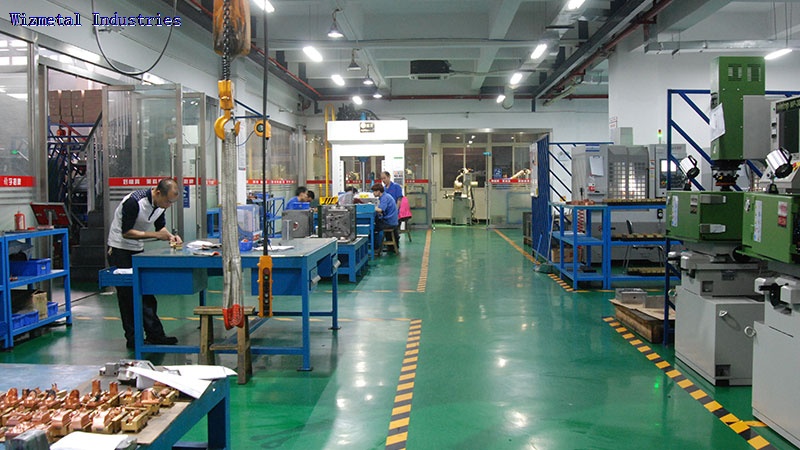
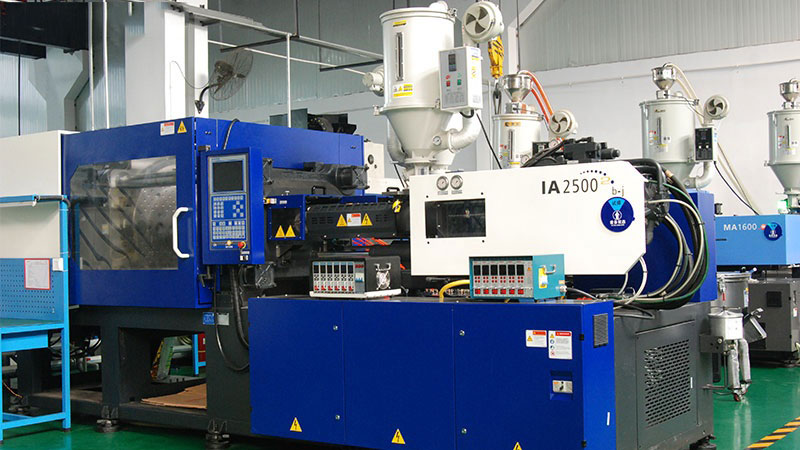
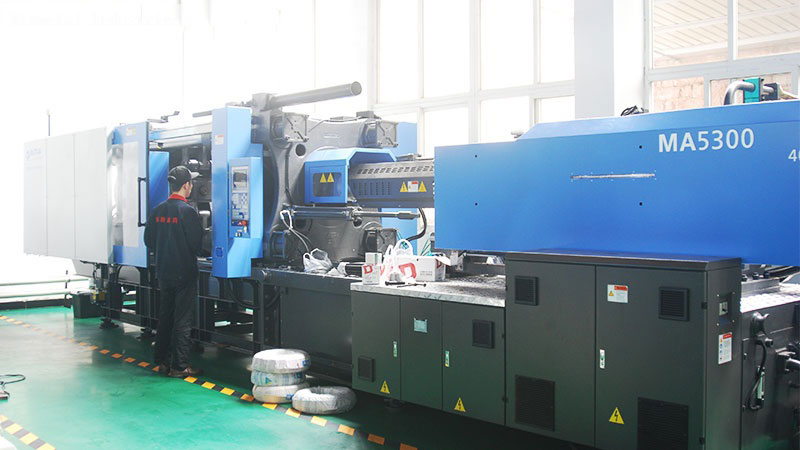
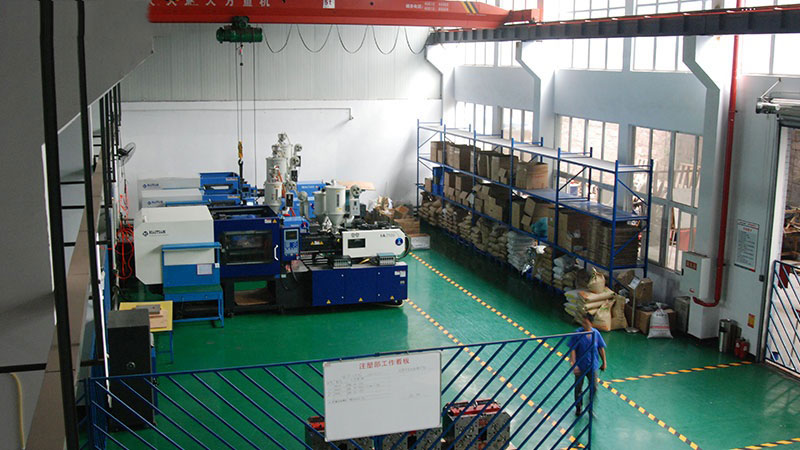
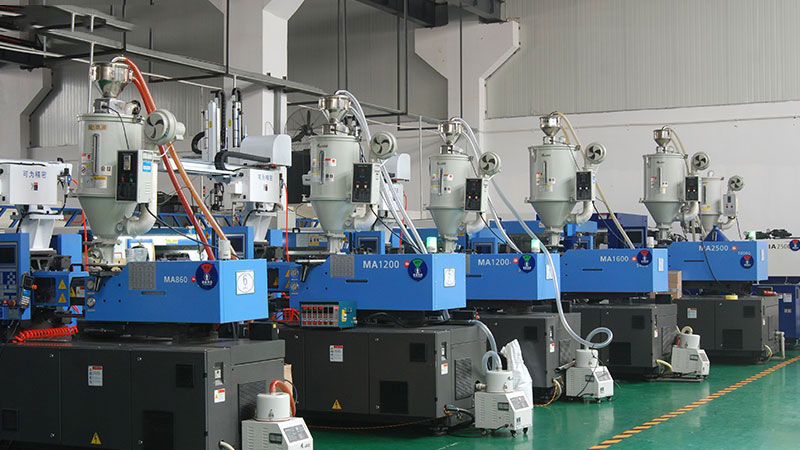
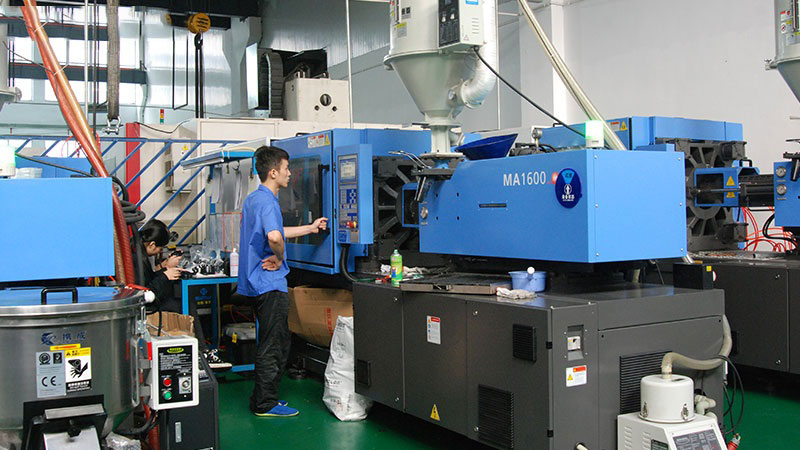
The foundation of a successful import project lies in meticulous supplier verification. Moving beyond basic Alibaba listings is crucial in 2026. Start with a deep-dive into the manufacturer’s specialization. A factory claiming general machining prowess may not possess the specific expertise for fine-detail resin casting or injection mold tooling suitable for various resin types. Request detailed case studies and portfolios showcasing past projects for resin-based products. Utilize video conferencing tools to conduct virtual factory tours, paying close attention to their workshop organization, machinery brands, and in-house capabilities like CNC machining, EDM, and polishing. Third-party verification platforms and industry-specific B2B directories can provide additional credibility checks. Remember, verifying a supplier is an investment that mitigates significant financial and timeline risks downstream.
Once a shortlist of potential partners is established, mastering the technical and commercial discussion is paramount. When soliciting quotations, provide exceptionally clear and comprehensive design data—preferably 3D CAD files (STEP or IGES) alongside fully dimensioned 2D drawings. Specify the exact resin material you intend to use, as this directly influences the mold material selection, such as pre-hardened steel, aluminum, or stainless steel, and the required surface finishes. Distinguish between a mold for low-volume resin casting and a high-cavitation injection mold for mass production, as this drastically impacts cost and build time. Discuss post-processing needs like texture, polishing level, or special coatings upfront. A professional manufacturer will ask informed questions about your part geometry, expected cycles, and tolerance requirements rather than simply providing a price based on weight or size.
The contract and payment terms phase is where clarity prevents future conflict. A detailed purchase agreement should itemize not just the total cost, but also the scope of work, milestones, approval processes, and responsibilities for logistics and insurance. For custom molds for resin, define the acceptance criteria clearly: what constitutes a approved test shot? Staged payment terms (e.g., 30% deposit, 40% upon T1 sample approval, 30% before shipment) are standard and protect both parties. Be wary of suppliers demanding excessively high upfront payments. Furthermore, explicitly address intellectual property (IP) protection within the contract, ensuring your design and tooling ownership are legally recognized. This professional approach sets the stage for a transparent partnership.
Proactive quality control cannot be an afterthought; it must be integrated into the production timeline. Insist on witnessing the first article inspection (FAI) via live stream or through a trusted third-party QC agent stationed near the factory. The initial T1 samples from the mold are critical. Evaluate them not just for dimensional accuracy using your provided CMM data, but also for surface finish, flash lines, and ease of de-molding. Effective communication during this phase is key—provide precise, documented feedback. For injection mold projects, discuss and review the process parameters used. Establishing a robust QC protocol from the start ensures that the final production runs yield consistent, high-quality resin parts, turning your procurement effort into a sustainable supply chain advantage.
In conclusion, importing custom molds for resin from China in 2026 demands a strategic blend of due diligence, technical clarity, and process management. The journey from identifying a credible China mold factory to receiving a perfect injection mold is paved with detailed communication and structured verification. By focusing on specialized supplier vetting, mastering technical dialogues, securing clear contracts, and enforcing rigorous quality control, overseas buyers can transform the inherent complexities of international procurement into a reliable and competitive edge. The goal is to establish not a one-time transaction, but a manufacturing partnership that brings your resin-based product visions to life with precision and reliability for years to come.
Work With Us
As a professional China mold manufacturer, we provide one-stop mold solution for overseas buyers.
📞 Phone: +86-18605944639
💬 WhatsApp: +8618605944639
🌐 Website: bestmoldworks.com
📧 Email: [email protected]