Navigating the landscape of custom injection molding cost is a primary concern for overseas buyers looking to manufacture in China. While the country offers unparalleled advantages in terms of scale and expertise, the procurement process involves nuanced variables that directly impact your budget, timeline, and final product quality. A simple price quote is merely the surface; beneath it lies a complex interplay of engineering, material science, and supply chain logistics. This 2026 guide is designed to move beyond basic comparisons and equip you with a professional, strategic framework. We will dissect the true drivers of cost and provide actionable methodologies for engaging with Chinese mold factories, ensuring your investment secures not just a price, but predictable value and reliable performance.
Understanding the foundational cost drivers is the first critical step toward making an informed decision. The custom injection molding cost is never a single figure but a sum of two major investments: the mold (tooling) and the molded parts (piece price). The mold cost is a one-time capital expense, heavily influenced by its size, complexity, steel grade, and the number of cavities. A complex mold with tight tolerances, fine surface finishes, or internal actions will require more design time, superior materials, and precision machining, increasing the initial outlay. Conversely, the per-part price is a recurring operational cost determined by the resin type, cycle time, labor, and overhead. A well-engineered mold, though potentially higher in initial cost, often yields a lower piece price through faster cycles and higher reliability. Therefore, a professional buyer evaluates both in tandem, seeking a total cost of ownership optimized for the projected production volume.
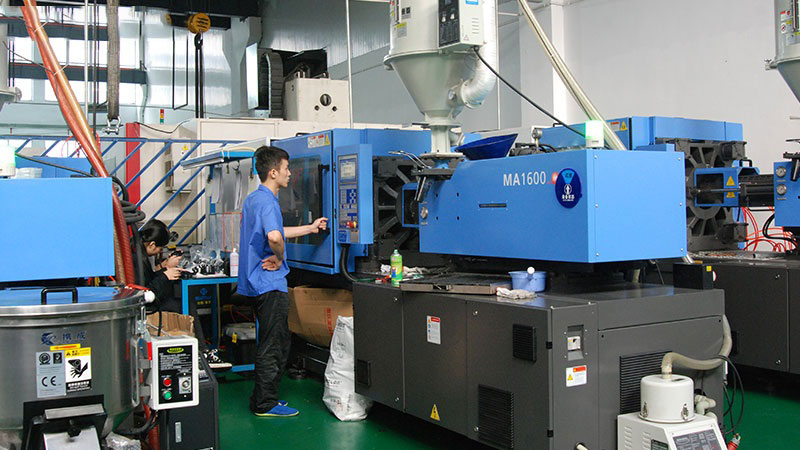
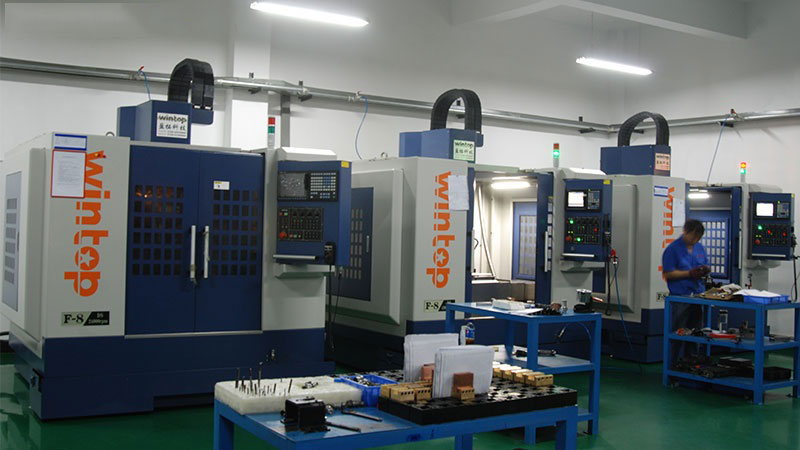
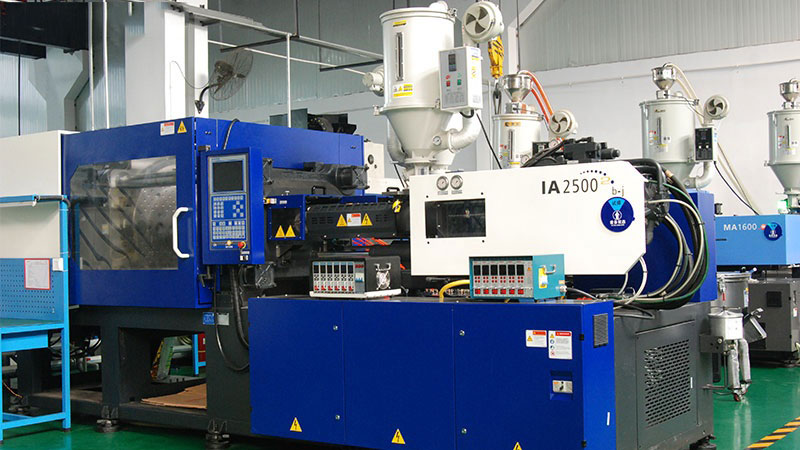
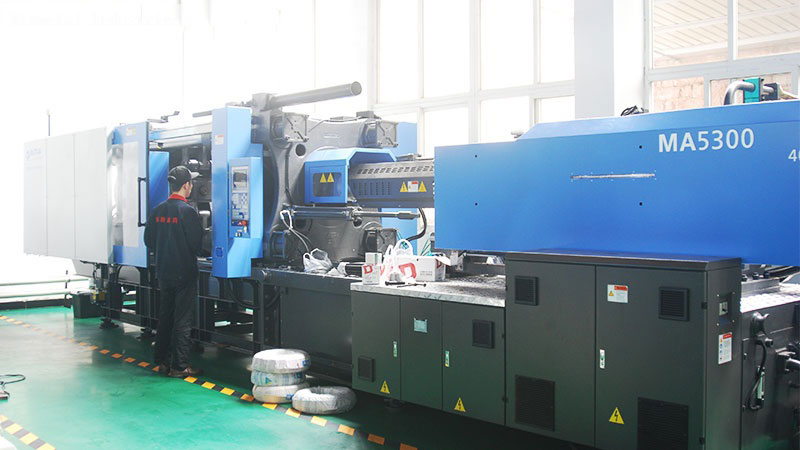
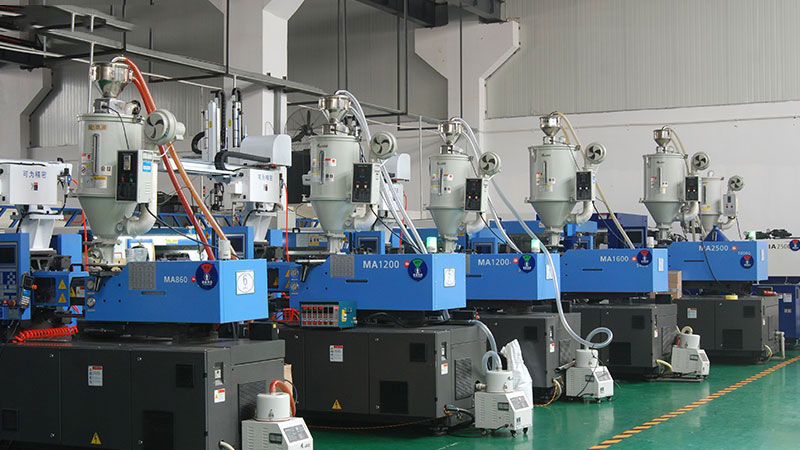
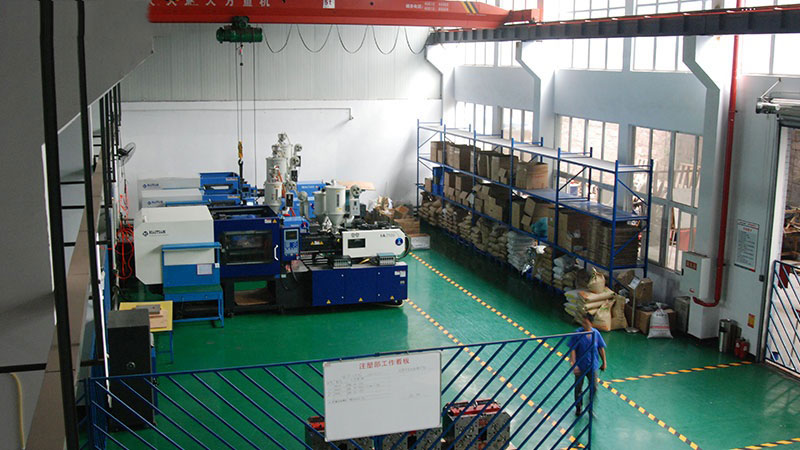
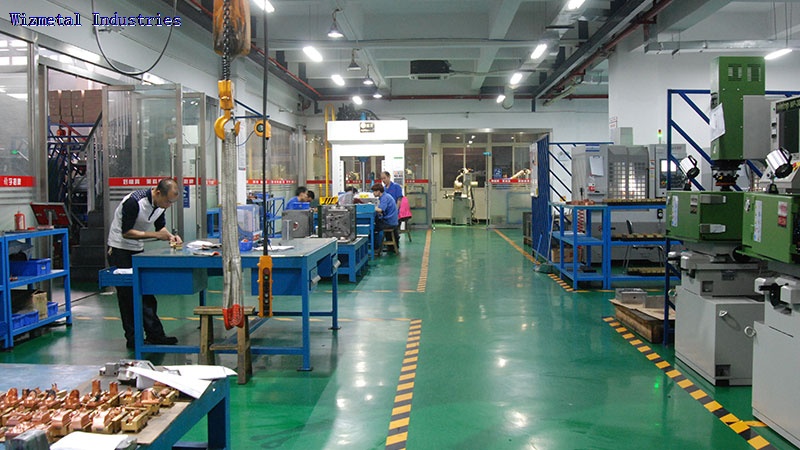
Your most significant leverage point in managing both cost and risk is thorough supplier verification. The term “China mold factory” encompasses a vast spectrum, from rudimentary workshops to fully integrated, automated facilities. In 2026, verification goes beyond a website check. Initiate with a detailed request for quotation (RFQ) that includes comprehensive 3D drawings, material specifications, expected volumes, and quality standards. Analyze the responses not just on price, but on the questions asked. A professional supplier will query design aspects for manufacturability (DFM), suggest material alternatives for cost-performance balance, and clarify tolerance expectations. Request a virtual or recorded video tour of their facility, focusing on their mold manufacturing workshop and injection molding floor. Verify certifications relevant to your industry and insist on speaking directly with their project engineers. This due diligence filters out brokers and low-capability shops, aligning you with partners who understand that true value is built on transparency and technical competency.
Once a potential partner is identified, implementing a structured quality control protocol from the outset is non-negotiable. Agreeing on clear, measurable standards before tooling begins is the cornerstone of preventing costly revisions and production delays. This involves defining the critical dimensions (with GD&T where applicable), surface finish specifications (using SPI/VDI comparator plates), and part validation tests. A professional approach mandates a staged approval process. First, approve the mold design (DFM report). Second, conduct a First Article Inspection (FAI) using coordinate measuring machine (CMM) reports from the initial sample shots. Third, establish a Production Part Approval Process (PPAP) for high-volume orders. For ongoing production, specify the frequency and method of inspection, whether it is periodic auditing, statistical process control (SPC) data sharing, or third-party inspection services during key production milestones. Investing in this upfront clarity protects your custom injection molding cost from the exponential expenses of post-production failures and warranty issues.
Effective communication and contract clarity are the operational engines of a successful import project. Ambiguity is the enemy of budget and schedule. Establish a single point of contact on both sides who possesses both technical and commercial understanding. Utilize detailed project timelines with milestones for design review, T1 sample delivery, approval gates, and production start. Your contract must explicitly cover ownership of the mold design and tooling, payment terms linked to verifiable milestones (e.g., 30% upon order, 40% after T1 approval, 30% before shipment), warranty terms for both the mold and the produced parts, and protocols for handling design changes (ECN process) with associated cost and time impacts. Clearly define incoterms 2020 to avoid unexpected logistics costs and responsibilities. This professional framework transforms the relationship from a transactional vendor setup to a managed partnership, where both parties are aligned on deliverables, costs, and expectations.
Finally, adopt a total value perspective rather than a unit price fixation. The lowest initial quote can become the most expensive choice through mold failures, part rejections, production stoppages, and communication breakdowns. Consider the supplier’s engineering support, their willingness to optimize the design for cost-effective manufacturing, and their track record with overseas clients. A slightly higher investment in a robust mold from a reputable China mold factory often pays for itself through longer tool life, consistent part quality, and on-time delivery. Furthermore, evaluate their capability for secondary operations, assembly, and packaging, as consolidating the supply chain can lead to significant overall savings. In 2026, the most sophisticated buyers look at the entire value stream, recognizing that professional procurement is an exercise in risk management and long-term partnership building, not just price negotiation.
In conclusion, mastering the variables behind custom injection molding cost requires a disciplined, informed approach. By deconstructing cost drivers, executing rigorous supplier verification, instituting ironclad quality control, enforcing clear communication contracts, and focusing on total value, overseas buyers can confidently navigate the Chinese manufacturing landscape. The goal for 2026 and beyond is to transform the procurement of an injection mold from a daunting cost center into a strategic investment that delivers quality, reliability, and competitive advantage. Your due diligence and partnership strategy are the ultimate determinants of achieving a favorable return on your manufacturing investment.
Work With Us
As a professional China mold manufacturer, we provide one-stop mold solution for overseas buyers.
📞 Phone: +86-18605944639
💬 WhatsApp: +8618605944639
🌐 Website: bestmoldworks.com
📧 Email: [email protected]