Blog

  • mold manufacturers: Professional Buying Guide 2026

    For overseas businesses, sourcing precision tooling from China remains a strategic move to balance cost, capability, and speed to market. However, the landscape of Chinese manufacturing is evolving rapidly. The process of identifying and partnering with reliable mold manufacturers requires an updated, methodical approach to navigate technical complexities, cultural nuances, and supply chain expectations. This 2026 professional buying guide is designed to cut through the noise and provide you with actionable, real-world strategies for a successful procurement journey. We move beyond simple directory listings to focus on verification, communication, and risk mitigation tailored for the modern importer.

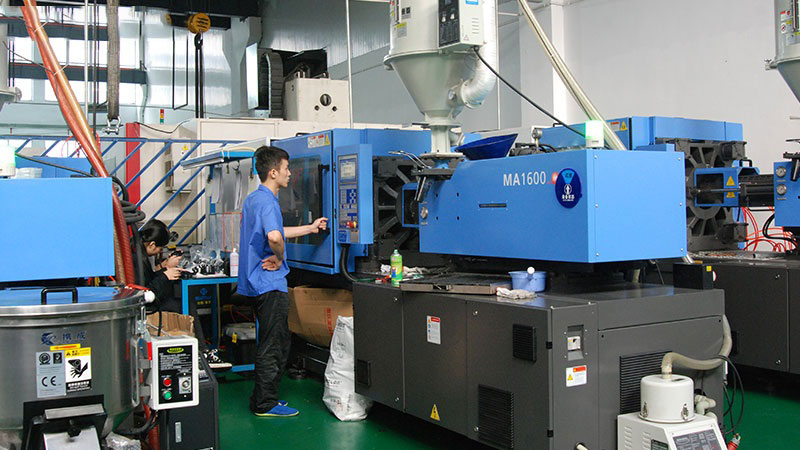
    The cornerstone of any successful import project is thorough supplier verification. In 2026, this means looking far deeper than a basic business license. Start with a multi-platform assessment: scrutinize the China mold factory’s professional presence on B2B sites like Made-in-China.com, but also examine their activity on LinkedIn and industry-specific forums. Request detailed case studies that match your product’s complexity in material and geometry. Crucially, initiate a video conference for a virtual factory tour; this is non-negotiable. Observe the workshop organization, the generation of machinery (look for modern CNC, EDM, and mold testing presses), and ask to see their quality control station. Verify certifications like ISO 9001:2015, but also inquire about industry-specific standards relevant to your sector, such as automotive or medical. This due diligence separates commodity workshops from true professional mold manufacturers.

    Once a shortlist is established, mastering the technical and commercial discussion is your next critical step. The goal is to achieve absolute clarity to prevent costly misunderstandings. When discussing your injection mold project, provide more than just a 3D file. Submit a comprehensive technical data sheet specifying desired material (e.g., P20, H13, Stainless), surface finish (SPI standards), cavity pressure expectations, and cycle time targets. Be explicit about part volume and resin type, as this directly influences mold steel selection and cooling line design. For procurement negotiations, understand the total cost breakdown. A professional supplier should transparently quote for mold design, materials, machining, fitting, trial testing, and post-sales support. Beware of quotes that seem disproportionately low; they often signal corner-cutting on steel quality or heat treatment, leading to premature failure. Clearly define payment terms (e.g., 30-50% deposit, 40% after T1 sample approval, 10% after shipment) and include milestones in the contract.

    Implementing a robust quality control protocol from the outset is what safeguards your investment. Do not assume quality will be managed passively. For overseas buyers, a proactive, staged QC strategy is essential. First, insist on a First Article Inspection (FAI) report after the initial sample (T1) is produced. This report should include dimensional inspection results from CMM or laser scanning against your CAD model. Second, for critical projects, engage a reputable third-party quality inspection firm based in the mold’s manufacturing region to conduct an in-process audit. They can check steel hardness, review the mold flow analysis report, and inspect critical components before final assembly. Finally, conduct a pre-shipment sample trial run. The ideal scenario is to witness, via live stream, a continuous 200-500 shot trial using production-grade material. This tests the injection mold’s performance, part consistency, and reveals any issues with ejection, cooling, or flash. Document all agreed-upon quality benchmarks in the purchase order.

    The final, often underestimated phase encompasses logistics, intellectual property, and long-term partnership. Ensure your contract includes clear terms for IP protection, stating that the mold design and tooling are your exclusive property. Physically, the mold should be stamped with your company name and a unique asset number. Discuss shipping terms (FOB, EXW, CIF) explicitly; for high-value molds, consider arranging your own freight forwarder for better control and insurance. A reliable China mold factory will provide proper mold storage for a negotiated period and clear documentation, including 2D drawings, maintenance manuals, and a list of spare components. View this transaction not as a one-off purchase but as vetting a long-term technical partner. Their willingness to support you with engineering feedback, minor modifications, and future maintenance is a true indicator of their value beyond the initial price.

    In conclusion, importing molds from China in 2026 demands a blend of traditional diligence and modern engagement techniques. The path to success is built on systematic supplier verification, crystal-clear technical communication, proactive quality control embedded throughout the process, and a strategic view of the partnership. By applying this structured approach, you transform the procurement process from a risky venture into a calculated, rewarding business strategy. The most competitive overseas buyers are those who partner with Chinese mold manufacturers as an extension of their own engineering team, leveraging specialized expertise to build superior products and sustainable competitive advantage.

    Work With Us

    As a professional China mold manufacturer, we provide one-stop mold solution for overseas buyers.
    📞 Phone: +86-18605944639
    💬 WhatsApp: +8618605944639
    🌐 Website: bestmoldworks.com
    📧 Email: [email protected]
  • Mold customization online: Professional Buying Guide 2026

    For overseas buyers, the prospect of importing high-quality, cost-effective molds from China is a powerful strategic advantage. However, navigating the landscape of **mold customization online** can be daunting. The digital space is vast, filled with suppliers of varying capabilities, and the physical distance adds layers of complexity to communication, **procurement**, and **quality control**. This guide for 2026 cuts through the noise, offering a professional, actionable roadmap to successfully partner with a **China mold factory** and secure the precision tooling your production demands.

    The core challenge is no longer finding a supplier, but efficiently identifying the right partner. The modern solution lies in a disciplined online procurement process that prioritizes verification, clear specification, and proactive management. By following a structured approach, you can transform the inherent risks of overseas **injection mold** manufacturing into a reliable and streamlined extension of your supply chain.

    Conducting Rigorous Supplier Verification Beyond the Website

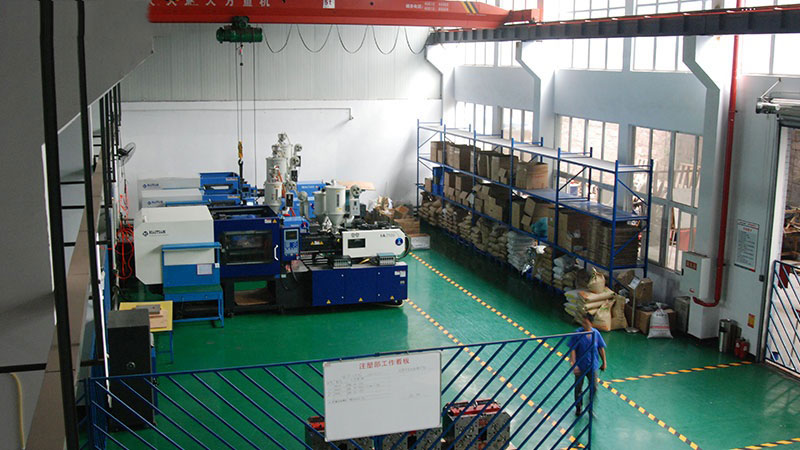
    Your first step is to move beyond glossy websites and Alibaba storefronts. True **supplier verification** in 2026 requires a multi-faceted investigation. Start by scrutinizing the factory’s digital footprint. Do they showcase detailed case studies of projects similar to your needs, particularly for overseas clients? Request and verify business licenses. Utilize video call platforms to request real-time factory tours; a reputable **China mold factory** will readily show you their CNC machining centers, EDM equipment, and quality inspection room. Crucially, ask for and contact past international clients. A trustworthy supplier will have references willing to discuss their experience with communication, problem-solving, and final mold quality. This due diligence filters out trading companies and under-equipped workshops, ensuring you engage with a true manufacturer.

    Mastering the Art of the Technical Data Package TDP

    The single most critical factor in successful **mold customization online** is the clarity and completeness of your Technical Data Package TDP. Ambiguity here is the primary source of cost overruns, delays, and substandard molds. Your TDP must be a comprehensive dossier. It should include not just a 3D CAD model of the final part, but also explicit specifications: the intended plastic material, expected annual volume, cosmetic requirements, and tolerance standards. For the **injection mold** itself, you must specify the mold base standard, steel grade for core and cavity, surface finish, cooling channel layout, and ejection mechanism. Clearly state all expectations for mold testing, including the number of sample shots required and the criteria for approval. This document becomes the binding technical contract, aligning your expectations with the manufacturer’s execution from day one.

    Implementing a Phased Payment and Quality Gate System

    Financial terms should mirror and mitigate the project’s risk phases. A standard 50% upfront, 50% before shipment model offers you little leverage. Advocate for a phased payment structure tied to objective quality gates. A 2026-best-practice model could be: 30% upon order confirmation, 40% upon approval of the mold design and steel purchase, 25% upon approval of first article sample parts from the mold trial, and 5% after final shipment. This structure incentivizes the supplier to progress efficiently and gives you tangible checkpoints to verify work. At each gate, especially the design review and sample approval stages, you have the opportunity to request revisions or corrections without significant financial penalty, ensuring the project stays on track.

    Proactive Quality Control and Communication Protocol

    Assuming quality will be managed solely by the factory is a profound risk. You must build **quality control** into the timeline. After design approval, insist on receiving regular photographic updates of key milestones: steel material certificates, finished cavity and core blocks, and assembly. For critical molds, budget for and hire a local third-party inspection agency to conduct an Initial Sample Inspection during the first trial. This provides an unbiased report on mold dimensions, part conformity, and functionality. Furthermore, establish a strict communication protocol. Designate a single point of contact on both sides, use shared cloud folders for all drawings and documents, and schedule weekly update calls. Tools like shared project management boards can track action items and deadlines, ensuring nothing is lost in translation across time zones.

    Planning for Logistics, IP Protection, and Long-Term Partnership

    Finalize logistical and legal details before production begins. Discuss incoterms explicitly; FOB is common, but understand all responsibilities. Clarify packaging requirements for the sensitive mold to prevent transit damage. While intellectual property protection is a complex legal matter, take practical steps: sign a comprehensive NDA and ensure your contract stipulates that all design materials and the physical mold are your property. Finally, view this **procurement** as a potential long-term partnership. A successfully customized mold often requires maintenance, repairs, or future modifications. A reliable supplier becomes a strategic asset. Document all agreed processes and specifications for this first mold to streamline future orders.

    Conclusion

    Importing molds from China through online channels is a sophisticated process that rewards preparation and professional discipline. By implementing a rigorous verification process, providing impeccable technical specifications, structuring payments around quality gates, enforcing proactive communication, and securing the logistical details, you systematically de-risk the endeavor. The goal of **mold customization online** is not merely to find a cheaper supplier, but to build a competent, transparent, and reliable partnership with a **China mold factory**. This 2026 guide provides the framework to do just that, turning the global marketplace into a predictable and powerful resource for your manufacturing success.

    Work With Us

    As a professional China mold manufacturer, we provide one-stop mold solution for overseas buyers.
    📞 Phone: +86-18605944639
    💬 WhatsApp: +8618605944639
    🌐 Website: bestmoldworks.com
    📧 Email: [email protected]
  • Silicone mold customization: Ultimate Guide for Buyers 2026

    For overseas businesses, from boutique artisans to industrial manufacturers, sourcing custom silicone molds from China represents a significant strategic advantage. The combination of advanced manufacturing capabilities, material expertise, and cost-effectiveness is compelling. However, navigating this procurement landscape presents distinct challenges: verifying supplier credibility, ensuring precise specifications, and maintaining rigorous quality control across continents. This guide for 2026 cuts through the complexity, offering a professional, actionable framework for your **silicone mold customization** project. We move beyond simple directory listings to provide the real-world strategies you need to partner successfully with a **China mold factory**.

    The foundation of a successful import project is built long before the first sample is cast. It begins with meticulous preparation and strategic supplier identification. In 2026, the market is bifurcated: highly automated factories serving large-volume orders and specialized workshops excelling in complex, low-to-medium volume **silicone mold customization**. Your first step is to have crystal-clear, documented specifications. This includes not just CAD drawings but also the intended use-case, production volume, required silicone type (e.g., platinum-cure for food safety, high-temp resistant for resins), Shore hardness, and expected lifecycle. This dossier becomes your objective benchmark for all subsequent communications and evaluations, preventing costly misunderstandings.

    With specifications in hand, the critical phase of **supplier verification** begins. Moving past Alibaba storefronts is essential. Utilize professional B2B platforms like Made-in-China.com or Global Sources, but deepen your research. Request detailed company profiles asking for years in operation, primary export markets, and client case studies specifically for silicone or rubber molds. A legitimate **China mold factory** will readily provide this. Crucially, initiate a video conference for a virtual factory tour. Observe their workshop organization, the types of machinery (e.g., vacuum degassing chambers, precision CNC for mold masters), and ask to see similar finished molds. Verify their business license via third-party services. This due diligence filters out trading companies masquerading as manufacturers and identifies partners with genuine capability.

    The technical dialogue and prototyping phase is where your project’s quality is determined. A proficient supplier will engage in a consultative discussion about your design. They might suggest draft angles for easier de-molding, optimal gating locations to reduce air bubbles, or material recommendations for your specific application. Be wary of suppliers who quote immediately without questions. For **silicone mold customization**, the prototype is non-negotiable. Insist on a first-article inspection sample before authorizing full production. This sample must be tested with your actual casting materials under real conditions. Evaluate it for dimensional accuracy, surface finish, flexibility, and seam lines. This step is your primary **quality control** checkpoint and allows for minor adjustments without significant cost or delay.

    Formalizing the agreement with precision protects both parties. A professional Purchase Order or contract should detail every agreed element: final specifications, material data sheets, packaging standards, delivery Incoterms (e.g., FOB Shanghai), payment schedule (e.g., 30% deposit, 60% after sample approval, 10% before shipment), and a clear protocol for handling defects. Given the custom nature of the work, define the sample approval process explicitly. Stipulate that mass production will not commence without your written sample approval. Discuss and agree on the production timeline with buffer periods, and establish regular update intervals. For payment, secure methods like Letter of Credit or escrow services offer protection, though established trust may lead to simpler TT transfers.

    Effective **quality control** does not end with sample approval. For orders of substantial volume, implementing in-process inspections is wise. This can be managed by hiring a local third-party quality inspection agency to visit the factory during production. They can check batch materials, measure critical dimensions on a sampling of molds, and assess workmanship before packaging. Upon shipment, ensure proper packaging is used to prevent deformation or damage in transit—molds should be securely housed in custom foam or cardboard partitions. Finally, maintain a professional and collaborative relationship with your supplier. Clear communication, timely feedback, and fair dealings foster partnership loyalty, which can lead to priority service, better pricing on future orders, and invaluable assistance in troubleshooting or iterative design improvements.

    Successfully importing custom silicone molds from China in 2026 is a systematic process of preparation, verification, collaboration, and control. It transcends merely finding the lowest quote and evolves into building a strategic partnership with a capable **China mold factory**. By investing time in thorough supplier vetting, engaging deeply in the technical review, mandating prototyping, and enforcing structured quality protocols, you transform the perceived risk of overseas **procurement** into a reliable, competitive edge. The landscape demands professionalism and diligence, but the reward—access to high-quality, cost-effective custom manufacturing—is substantial. Let this guide be your blueprint for confident and successful sourcing in the year ahead.

    Work With Us

    As a professional China mold manufacturer, we provide one-stop mold solution for overseas buyers.
    📞 Phone: +86-18605944639
    💬 WhatsApp: +8618605944639
    🌐 Website: bestmoldworks.com
    📧 Email: [email protected]
  • mold factory near me: Reliable Manufacturers Guide 2026

    For overseas buyers, the search for a reliable “mold factory near me” often leads to a global destination: China. The country’s manufacturing ecosystem offers unparalleled expertise in injection mold production, combining advanced technology with competitive pricing. However, the geographical and cultural distance can introduce significant challenges in procurement, supplier verification, and quality control. This guide for 2026 is designed to cut through the complexity, providing you with a professional, actionable framework to identify and partner with trustworthy Chinese mold factories, turning a daunting international process into a streamlined and successful supply chain strategy.

    Redefining “Near Me” in a Global Context: Strategic Sourcing Clusters

    The first step is to modernize your search parameters. For an overseas buyer, “near me” translates to strategic proximity to industrial clusters and logistical hubs within China. Focusing your search on recognized manufacturing centers ensures access to dense supplier networks and specialized expertise. Key regions include the Greater Shanghai area (Jiangsu, Zhejiang) for high-precision and automotive molds, Guangdong province (Dongguan, Shenzhen) for electronics and consumer product injection molds, and Shandong for larger industrial molds. Utilizing platforms like Alibaba Made-in-China.com or Global Sources with these geographic filters will yield more relevant results than a broad national search. Furthermore, consider the factory’s proximity to major ports like Ningbo, Shanghai, or Yantian, which will significantly impact shipping logistics and cost. This cluster-based approach is your new map for finding a capable China mold factory efficiently.

    Rigorous Supplier Verification: Beyond the Website and Quote

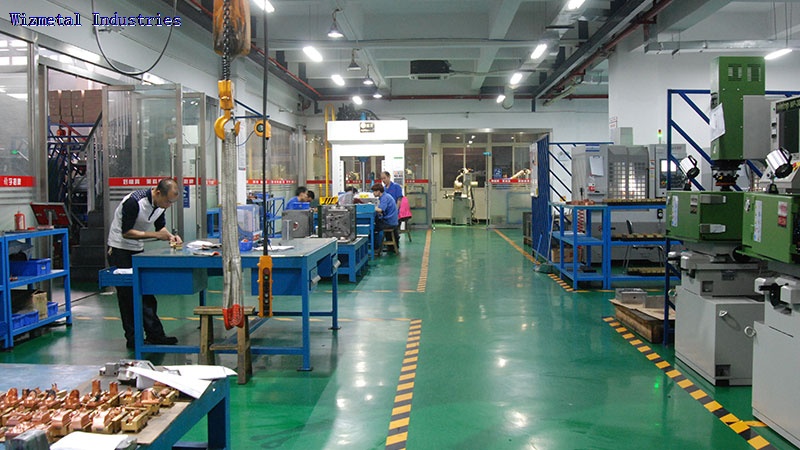
    In 2026, due diligence is non-negotiable and must go far beyond a polished website and an attractive price quote. A systematic verification process is your primary defense against risk. Start with a deep dive into business credentials: request and validate the official business license, and check for relevant ISO 9001 or IATF 16949 certifications specific to quality management in manufacturing. However, true verification lies in tangible proof. Insist on a comprehensive virtual factory tour via live video call; do not accept pre-recorded videos. This allows you to assess machinery (e.g., CNC, EDM, injection molding machines), workshop organization, and gauge technical capability in real-time. Crucially, request and scrutinize a portfolio of past projects for clients in your region or industry. Contacting these previous overseas clients for a reference provides invaluable, unbiased insight into the factory’s communication, problem-solving, and reliability—key factors often more critical than the initial tooling cost.

    Mastering Technical Procurement and Transparent Communication

    A successful procurement phase hinges on technical clarity and communication protocols. Your Request for Quotation (RFQ) must be exceptionally detailed. Beyond part drawings, include specifications for mold steel type (e.g., P20, H13, S136), cavity surface finish, tolerance levels, expected cycle life, and requirements for hot runner systems if applicable. Clearly state all quality control milestones, such as Design for Manufacturability (DFM) review, mold flow analysis reports, and First Article Inspection (FAI) procedures. Establish a single point of contact on both sides who is technically fluent, and agree on a communication schedule and tools (e.g., WeChat for daily updates, email for formal approvals, weekly video conferences). Discuss and document terms for engineering change orders (ECOs) and their cost implications upfront. This meticulous approach aligns expectations and minimizes costly misunderstandings during the injection mold development process.

    Implementing Proactive and Multi-Stage Quality Control

    Quality cannot be inspected into a mold; it must be built in and monitored throughout. For overseas buyers, a structured, multi-stage QC plan is essential. Start with pre-production checks: approve the DFM analysis and mold design drawings before steel is cut. During manufacturing, mandate key progress photos and videos at critical stages—mold base machining, cavity engraving, electrode burning, and assembly. The most critical physical inspection point is the Trial Run (T1) at the factory. Hire a trusted third-party quality inspection agency located within the same industrial cluster to witness the T1 trial, inspect the first shots, and verify critical dimensions and functions against your specifications. Their independent report is your objective evidence before approving shipment. For ongoing production, define a sampling plan (e.g., AQL levels) for part quality if you are also sourcing production runs. This layered QC strategy provides multiple checkpoints to catch issues early, when they are least expensive to correct.

    Navigating Logistics, IP Protection, and Long-Term Partnership

    Finalizing the order requires attention to legal and logistical details. Ensure a clear, written contract covers payment terms (e.g., 30-50% deposit, balance before shipment), delivery timeline with penalties for delays, and most importantly, intellectual property (IP) protection clauses. The contract should state that all part and mold designs are your sole property. Physically, the mold should be stamped with your company name and a unique asset number. For logistics, understand Incoterms 2020 thoroughly; FOB (Free On Board) named Chinese port is common, placing responsibility for main carriage and insurance on you, the buyer. Work with a reputable freight forwarder experienced in handling模具 (molds). Finally, view a successful first project as the foundation for a long-term partnership. A reliable China mold factory that understands your quality standards and communication style becomes a strategic asset, enabling faster time-to-market for future products.

    Conclusion

    Sourcing an injection mold from China in 2026 demands a shift from simple price shopping to strategic partner development. By redefining your search around industrial clusters, conducting forensic supplier verification, mastering technical procurement, implementing staged quality control, and securing your transaction, you effectively bridge the geographical gap. The goal is not merely to find a mold factory but to integrate a capable and transparent manufacturing partner into your operations. This disciplined approach transforms the challenge of finding a trustworthy “mold factory near me” on a global scale into a competitive advantage, ensuring you receive high-quality tooling that drives your product’s success in the marketplace.

    Work With Us

    As a professional China mold manufacturer, we provide one-stop mold solution for overseas buyers.
    📞 Phone: +86-18605944639
    💬 WhatsApp: +8618605944639
    🌐 Website: bestmoldworks.com
    📧 Email: [email protected]
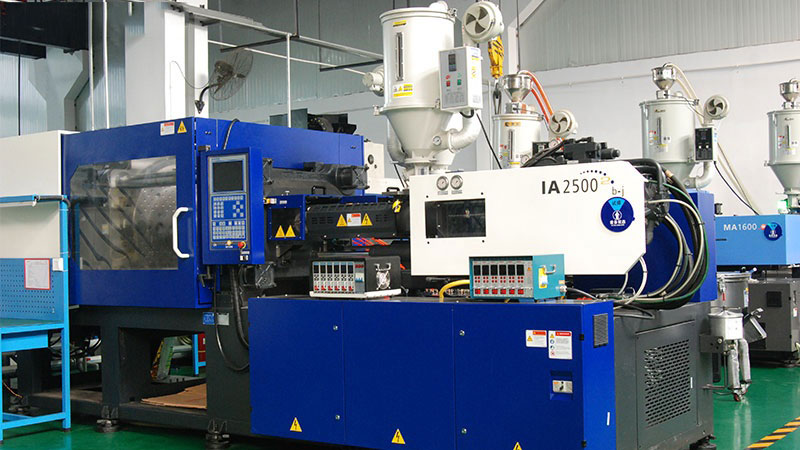
  • Custom silicone molds for resin: Reliable Manufacturers 2026

    For overseas buyers in the crafting, jewelry, and decorative industries, the ability to produce unique, high-quality resin creations is often dependent on the precision and durability of the molds used. Sourcing custom silicone molds for resin directly from China presents a significant opportunity for cost efficiency and scalability. However, navigating the vast manufacturing landscape to identify truly reliable partners requires a strategic approach. This guide is designed to provide actionable, professional insights for procurement specialists and business owners aiming to secure partnerships with dependable Chinese mold factories in 2026, ensuring your supply chain is built on quality and trust.

    The foundation of a successful import project lies in meticulous supplier verification. In 2026, simply browsing online directories is insufficient. Begin by shortlisting manufacturers that explicitly showcase expertise in silicone tooling for resin applications, not just general injection mold production. Scrutinize their online presence for detailed case studies, material specifications, and process explanations. Utilize third-party verification platforms to check business licenses, export history, and certifications. The most critical step, however, is initiating direct technical communication. Prepare a concise but detailed request for quotation (RFQ) that includes your 3D files, required dimensions, Shore hardness, intended resin type, expected production volume from the mold, and any tolerance specifications. A reliable China mold factory will respond with clarifying questions, material recommendations, and a transparent breakdown of costs and timelines, rather than a generic price list.

    Once a potential partner is identified, implementing a robust quality control protocol from the outset is non-negotiable. For custom silicone molds for resin, quality is defined by dimensional accuracy, surface finish, and longevity. Insist on a First Article Inspection (FAI) process. Before full production, the manufacturer should create a single prototype mold and ship it to you or a third-party inspection agency you trust in China. This sample must be tested with your actual resin to check for air bubble release, detail replication, flexibility, and demolding ease. Clearly define quality benchmarks, such as acceptable flaw sizes and tolerance levels in millimeters. Discuss the factory’s internal QC procedures; reputable suppliers will have dedicated QC teams documenting each stage, from master model approval to silicone mixing ratios and curing. Remember, investing in this upfront diligence prevents costly mass-production errors and protects your brand reputation.

    Understanding the technical and commercial nuances of the manufacturing process empowers you to make better decisions. While your project involves silicone casting molds, knowledge of related processes like injection mold manufacturing can be valuable, as many factories operate in both domains and share precision engineering principles. Discuss the type of master model the factory will use—CNC-mached, 3D-printed, or hand-sculpted—as this directly impacts the final mold’s detail. Inquire about the specific silicone brand and series they propose (e.g., Tin-cure vs. Platinum-cure) and its compatibility with your resin chemistry. Commercially, be clear on payment terms; standard practices like 50% deposit and 50% before shipment are common. Ensure all costs, including mold fabrication, prototype costs, tooling maintenance, and shipping, are itemized in your contract. A professional supplier will view these detailed discussions as a sign of a serious, long-term partner.

    Building a successful partnership extends beyond the initial transaction. The landscape in 2026 rewards collaborative and communicative relationships. Schedule regular video calls during the production phase to review progress photos and videos. A reliable manufacturer will appreciate your engagement and provide updates willingly. Discuss post-sales support, such as the policy for mold repairs or modifications if the tooling wears or your design iterates. Furthermore, consider the factory’s capacity for scaling with you. Can they manage increased volumes if your product line expands? Do they offer value-added services like small-batch casting or assembly? By fostering open communication and aligning on future growth potential, you transform a simple procurement exercise into a strategic alliance that provides sustained competitive advantage.

    In conclusion, sourcing custom silicone molds for resin from China in 2026 is a highly viable strategy for overseas buyers seeking quality and value. The key to success is a methodical process centered on rigorous supplier verification, hands-on quality control, technical comprehension, and relationship management. By moving beyond price as the sole criterion and focusing on manufacturers who demonstrate transparency, expertise, and a commitment to partnership, you can secure a reliable supply chain foundation. This strategic approach minimizes risk and ensures that the custom silicone molds you import become the reliable backbone of your unique and profitable resin product lines for years to come.

    Work With Us

    As a professional China mold manufacturer, we provide one-stop mold solution for overseas buyers.
    📞 Phone: +86-18605944639
    💬 WhatsApp: +8618605944639
    🌐 Website: bestmoldworks.com
    📧 Email: [email protected]
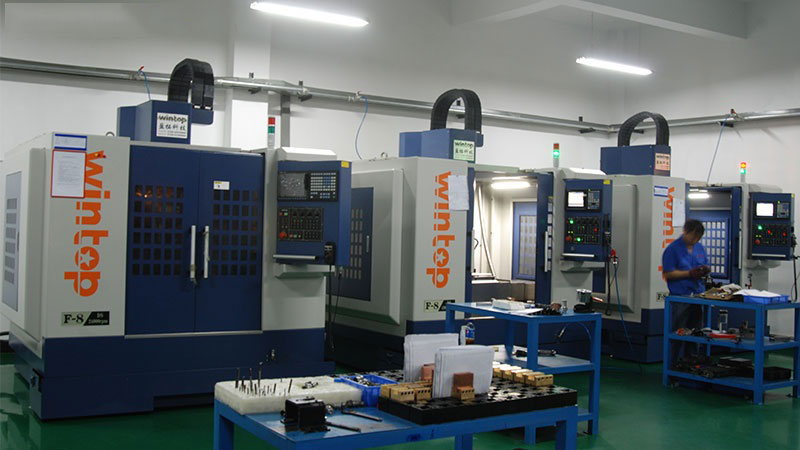
  • injection mold factory china: Ultimate Guide for Buyers 2026

    For global businesses, partnering with an injection mold factory in China remains a strategic move to achieve significant cost savings, access advanced manufacturing capabilities, and accelerate product development. However, the path to a successful partnership is paved with both opportunity and complexity. This guide is designed for the discerning overseas buyer in 2026, cutting through the noise to provide a professional, actionable framework for navigating the Chinese mold manufacturing landscape. We will move beyond basic directories to focus on the real-world challenges of supplier verification, communication, and quality assurance, ensuring your procurement journey is efficient and secure.

    Mastering the Initial Supplier Verification Process

    The foundation of a successful import project is a thoroughly vetted China mold factory. In 2024, due diligence must go deeper than a website portfolio. Start with a multi-faceted verification approach. First, utilize business verification platforms like Tianyancha or Qichacha to confirm the factory’s legal registration, capital, and operational history. Cross-reference this with physical verification; a genuine manufacturer will readily provide a factory address and agree to a live video tour, showcasing their shop floor, machinery (look for brands like Haitian, Engel, or Fanuc), and quality control stations. Critically, request and contact past overseas clients. A reputable injection mold supplier will have a track record of exports and should provide verifiable references. This step alone can filter out trading companies masquerading as manufacturers and identify partners with proven experience in international standards and logistics.

    Strategic Communication and Technical Documentation

    Miscommunication is the single greatest risk in mold procurement. To mitigate this, your technical documentation must be impeccable. Provide a comprehensive mold design specification including 3D CAD files (STEP or IGES), 2D drawings with critical dimensions and tolerances (geometric dimensioning and tolerancing is preferred), material specifications for both the mold (e.g., P20, H13, S136) and the intended plastic resin, and expected production volume. Clearly state all surface finish requirements, using SPI or VDI standards. During discussions, insist on a formal Design for Manufacturability review. A professional China mold factory will analyze your design and suggest modifications to improve moldability, reduce cost, and enhance longevity. Establish a single point of contact on both sides who is technically fluent, and use collaborative tools for mark-ups and regular progress updates to ensure alignment at every stage.

    Implementing a Robust Quality Control Protocol

    Quality cannot be inspected into a mold; it must be built into the process. Your agreement must define a staged quality control protocol with clear milestones. Key inspection points include: First Article Inspection of the mold steel material certification, T1 sample evaluation with a detailed inspection report (CMM data, color maps for dimensional accuracy, and part weight), and final pre-shipment audit. Specify the use of precision measuring equipment. For critical components, insist on seeing CMM reports and mold flow analysis results to predict and prevent filling issues. For higher-volume or precision projects, consider engaging a local third-party quality inspection service to conduct audits on your behalf. This independent verification provides an objective assessment of the mold’s conformity to your specifications before it leaves the factory, turning quality control from an assumption into a managed, documented process.

    Navigating Logistics, IP Protection, and Total Cost

    Understanding the total cost and logistical framework is crucial. While the mold price is a major component, the total cost of ownership includes several other factors: mold trial costs, packaging for export, international shipping (air freight for urgency, sea freight for cost-effectiveness), insurance, and import duties. Ensure your chosen injection mold factory has experience with EXW, FOB, or DAP incoterms and can prepare all necessary commercial documents. Regarding Intellectual Property, a professional manufacturer will respect and sign a Non-Disclosure Agreement. For further protection, register your design patents in China where applicable. When comparing quotes, be wary of prices that seem abnormally low, as they often correlate with compromises in steel quality, machining precision, or post-sales support. A transparent quotation should itemize costs for design, materials, machining, labor, and trials.

    Building a Partnership for Long-Term Success

    View your engagement with a Chinese mold factory not as a one-time transaction, but as the beginning of a strategic partnership. A reliable partner will offer clear post-sales support, including a warranty period for workmanship and provisions for mold maintenance and repair. Discuss their policy on engineering change orders and the cost structure for future mold modifications. Establishing a strong, transparent relationship fosters better communication for future projects and can lead to continuous improvement in quality and efficiency. The ultimate goal is to find a supplier that acts as an extension of your own engineering team, committed to the success of your product lifecycle.

    Conclusion

    Importing molds from China in 2026 demands a sophisticated, process-driven approach. By rigorously verifying suppliers, enforcing crystal-clear technical communication, implementing staged quality control, and understanding the full commercial and legal landscape, overseas buyers can unlock immense value. The market rewards diligence. The strategies outlined here will empower you to move beyond simple price comparisons and build productive, long-term relationships with capable manufacturing partners. Your success hinges on meticulous preparation and proactive management, transforming the challenge of distance into a competitive advantage for your business.

    Work With Us

    As a professional China mold manufacturer, we provide one-stop mold solution for overseas buyers.
    📞 Phone: +86-18605944639
    💬 WhatsApp: +8618605944639
    🌐 Website: bestmoldworks.com
    📧 Email: [email protected]

  • injection molds for plastic part: Expert Tips & Soluti 2026

    For overseas businesses, sourcing injection molds for plastic part production from China remains a strategic move to balance cost, capability, and speed to market. The potential for significant savings and access to advanced manufacturing ecosystems is immense. However, the path is fraught with challenges—communication gaps, quality inconsistencies, and logistical hurdles can turn a promising project into a costly ordeal. As we look toward 2026, the landscape is evolving with smarter technology and more transparent processes. This guide provides actionable, professional insights to navigate this complex procurement journey successfully, ensuring you partner with the right China mold factory to bring your plastic part designs to life with precision and reliability.

    The cornerstone of a successful import project is rigorous supplier verification. Moving beyond Alibaba listings and website portfolios is non-negotiable. Start by demanding evidence of technical capability specific to your part. A professional injection mold supplier should readily provide DFM (Design for Manufacturability) reports, showcasing their engineering input on your design to improve moldability and reduce cost. Insist on a virtual meeting with their project engineering team to discuss material selection, tolerances, and cooling line design. Verify their certifications, but more importantly, ask for case studies or references from clients in your region or industry. Third-party audit reports from platforms like SGS or Bureau Veritas can offer an additional layer of confidence. This due diligence phase filters out trading companies and identifies true manufacturing partners with a proven track record.

    Once a potential partner is identified, mastering the technical and commercial negotiation phase is critical. A professional procurement approach here prevents misunderstandings and cost overruns. Be explicit in your Request for Quotation (RFQ). Include not just 3D part files, but detailed specifications: target material, annual volume, cosmetic requirements (e.g., SPI finish standards), critical dimensions with tolerances, and expected mold life (number of shots). Demand a fixed-price, detailed breakdown covering mold design, materials (specify mold steel grade like P20, H13, or S136), cavity count, hot runner system brand (if needed), and all post-processing. Crucially, define the approval process: typically, this involves approving the mold design, then a T1 sample from the actual production material. Never approve a mold design without a thorough review of the cooling, ejection, and gating systems.

    Implementing a phased quality control protocol is what separates successful imports from failures. Do not rely on a single pre-shipment inspection. Institute milestones with digital verification. After design approval, require photos of the raw steel blocks with heat treatment certificates. During machining, request time-stamped photos of key stages—milling of the cavity/core, EDM texturing, and assembly. For the first article sample (T1), a comprehensive First Article Inspection Report (FAIR) is mandatory. This should include CMM (Coordinate Measuring Machine) reports for critical dimensions, material certification, and functional testing results. For 2026, leveraging technology is key. Reputable China mold factories now use connected QC platforms where inspectors upload real-time photos and data, allowing you to monitor progress remotely and flag issues immediately, long before shipment.

    The journey does not end when the mold lands in your country. Planning for post-delivery support and long-term partnership is essential. A reliable supplier will offer a clear warranty period (typically 12-24 months against manufacturing defects) and provide comprehensive mold documentation—a detailed drawing set, maintenance manual, and a list of spare components. Discuss terms for future mold modifications, repairs, and production of spare parts. For ongoing production, establish clear communication channels for troubleshooting. Furthermore, consider the total cost of ownership. A slightly higher initial investment in a robust mold from a verified partner often results in lower per-part costs over its lifespan due to less downtime and maintenance. This long-term view transforms your supplier from a transactional vendor into a strategic asset for your plastic part manufacturing needs.

    As we advance into 2026, the process of importing injection molds from China will become more streamlined through technology, but the fundamentals of partnership and verification remain unchanged. By methodically executing supplier verification, mastering technical procurement, enforcing staged quality control, and securing post-delivery support, overseas buyers can mitigate risks and unlock the full value of China’s manufacturing prowess. The goal is to secure not just a tool, but a reliable production solution. A successful partnership with a professional China mold factory ensures that your investment in injection molds for plastic part production delivers consistent quality, optimal performance, and a strong competitive advantage in your market for years to come.

    Work With Us

    As a professional China mold manufacturer, we provide one-stop mold solution for overseas buyers.
    📞 Phone: +86-18605944639
    💬 WhatsApp: +8618605944639
    🌐 Website: bestmoldworks.com
    📧 Email: [email protected]

  • china mold supplier: Professional Buying Guide 2026

    Navigating the landscape of manufacturing in China presents a significant opportunity for cost efficiency and scalability, especially for custom tooling. For overseas buyers, importing molds from China is a strategic decision that can dramatically enhance product development cycles and margins. However, the journey from concept to receiving a precision tool at your doorstep is fraught with potential complexities. This professional guide for 2026 is designed to cut through the noise, offering actionable, real-world strategies to help you identify, vet, and collaborate with a professional **china mold supplier** successfully. We move beyond generic advice to solve the core problems of verification, communication, quality assurance, and logistics that international buyers genuinely face.

    The foundational step, and perhaps the most critical, is conducting thorough supplier verification. The term “China mold factory” can represent a vast spectrum, from highly automated facilities with engineering expertise to rudimentary workshops. In 2024, verification begins with deep digital due diligence. Scrutinize their professional website for technical case studies, not just glossy images. Utilize platforms like Made-in-China.com or Alibaba, but prioritize suppliers with verified onsite assessments, factory audit videos, and a history of Gold Supplier status. Crucially, move the conversation to video conferencing platforms immediately. A live video tour of the facility, showcasing their CNC, EDM, and mold testing presses, is non-negotiable in 2026. Request and actually contact references from their existing overseas clients, specifically asking about post-sales support and problem-resolution. This proactive verification filters out intermediaries and aligns you with capable manufacturers from the outset.

    Once a potential partner is identified, mastering the technical and commercial procurement process is key. The cornerstone of this phase is the provision of a flawless and comprehensive Request for Quotation (RFQ). For an **injection mold**, this must include not just a 3D model (STEP or IGS format), but a detailed technical specification sheet. This sheet should cover material grade (e.g., P20, H13, Stainless 420), mold life expectancy (number of shots), cavity surface finish (SPI standards), tolerance requirements, and part material (e.g., PP, ABS). Clear specifications prevent misunderstandings and enable accurate, comparable quotes. Discuss payment terms transparently; a common and balanced structure is 50% deposit, 40% after pre-shipment sample approval, and 10% after receipt. Ensure your procurement contract explicitly covers intellectual property rights, confidentiality, and the ownership of all design and tooling.

    Implementing a structured quality control protocol is what separates successful imports from costly failures. Do not assume quality; build it into the process through defined checkpoints. The First Article Inspection Report is your first major gate. Insist on high-resolution photos and videos of the finished mold, shots of the molded parts, and detailed measurement reports using CMM data. For higher-value tools, investing in a third-party inspection service like SGS or Bureau Veritas for an onsite Pre-Shipment Inspection (PSI) is highly recommended. The inspector will check the mold’s dimensions, functionality, and the quality of the initial production samples against your approved data. Furthermore, discuss the supplier’s internal quality processes—do they use mold flow analysis software during design? What is their procedure for fitting and testing? A reliable **china mold supplier** will welcome this structured approach as it demonstrates your professionalism and reduces future disputes.

    The final logistical and collaborative phase ensures the investment arrives functionally and on schedule. Clear communication regarding shipping and incoterms is vital. Decide whether you will handle freight (EXW) or if the supplier will arrange shipping to your port (FOB) or door (DDP). Each has cost and control implications. For molds, professional crating is essential to prevent damage during ocean freight. Require photos of the packed mold before it leaves the factory. Maintain a regular, scheduled update cadence using tools like WhatsApp or WeChat for quick updates, and email for formal approvals. Establish a single point of contact on their side who is technically proficient. Finally, plan for the long term. A mold requires maintenance. Discuss the availability of spare components like ejector pins and heaters, and the process for ordering them. A forward-thinking partner will provide mold design drawings and maintenance manuals, solidifying a relationship for future production runs and mold modifications.

    Sourcing a mold from China in 2026 is a demonstrably smart business move when approached with diligence and modern strategies. The landscape is more transparent and connected than ever, rewarding buyers who conduct deep verification, master precise procurement, enforce rigorous quality control, and manage logistics collaboratively. By treating your chosen China mold factory as a strategic partner rather than just a vendor, you build a foundation for not just a single successful tool, but for a streamlined supply chain that can fuel your product development for years to come. The goal is a seamless transition from digital files to a high-precision tool that produces perfect parts, shipment after shipment. With this professional guide as your framework, you are equipped to navigate the process with confidence and achieve a substantial competitive advantage.

    Work With Us

    As a professional China mold manufacturer, we provide one-stop mold solution for overseas buyers.
    📞 Phone: +86-18605944639
    💬 WhatsApp: +8618605944639
    🌐 Website: bestmoldworks.com
    📧 Email: [email protected]

  • plastic injection mould manufacturer in china: Reliabl 2026

    For overseas buyers, sourcing a plastic injection mould manufacturer in China remains one of the most strategic decisions to achieve cost efficiency and scale production. However, the landscape is evolving rapidly. The promise of competitive pricing is now balanced against an imperative for unparalleled reliability, technological sophistication, and seamless partnership. As we look toward 2026, the definition of a reliable supplier has shifted beyond mere cost. It now encompasses digital integration, sustainable practices, and proactive quality ecosystems. This guide cuts through the noise to provide actionable, real-world strategies for identifying and partnering with a Chinese mold factory that will be a true asset to your supply chain in the coming years.

    Mastering Digital-First Supplier Verification

    The initial search and verification process has been transformed by technology. Relying solely on Alibaba listings or static websites is no longer sufficient. In 2026, a reliable plastic injection mould manufacturer in China will have a transparent digital footprint. Start by examining their use of advanced communication and project management tools. Do they utilize platforms like Zoom or Microsoft Teams for high-definition virtual factory tours? Can they share real-time progress updates through dedicated portals? Furthermore, leverage professional networks like LinkedIn to assess the team’s expertise. Deep-dive into their technical content; a supplier that publishes detailed case studies, explains complex mold design challenges, or discusses materials science is demonstrating valuable expertise. This digital transparency is your first filter, moving you from a list of potential vendors to a shortlist of credible partners.

    Implementing a Tiered Quality Control Protocol

    Quality assurance cannot be an afterthought or a single checkpoint. It must be a continuous, integrated protocol. The most successful buyers build a multi-stage inspection process directly into their purchase order. Demand evidence of a China mold factory’s internal Quality Management System (QMS), with certifications like IATF 16949 for automotive or ISO 13485 for medical devices being strong indicators. Your protocol should include at minimum: a Design for Manufacturability (DFM) review stage, a First Article Inspection (FAI) using Coordinate Measuring Machine (CMM) reports for critical dimensions, and a pre-shipment sample testing with your actual production material. Consider partnering with a reputable third-party inspection service located near the manufacturing hub for the final pre-shipment audit. This layered approach shifts quality control from a reactive “catch-the-error” model to a proactive “prevent-the-error” system.

    Navigating the Total Cost of Ownership and Contract Clarity

    While unit price for the injection mold is a key input, the true metric is Total Cost of Ownership (TCO). A reliable partner will help you analyze this. Discuss and formalize terms regarding mold modification costs, warranty periods for repair and maintenance, and the process for design changes. A clearly detailed contract is your strongest safeguard. It should explicitly cover intellectual property (IP) ownership of the mold design, payment milestones tied to verified deliverables (e.g., 30% after DFM approval, 40% after T1 sample approval), and liability clauses. Address logistical responsibilities—Incoterms 2020 such as FOB or EXW must be mutually understood. Clarifying these aspects upfront with your injection mold supplier prevents costly disputes and ensures both parties are aligned on the project’s financial and legal framework.

    Building a Partnership Beyond a Transaction

    The most reliable relationships in 2026 will be collaborative partnerships. Evaluate a supplier’s willingness and capability to engage as a technical consultant. Can they provide material selection advice to optimize part cost and performance? Do they offer value-engineering suggestions to simplify mold design without compromising function? Observe their communication cadence and problem-solving approach during the quotation phase. A partner that asks insightful questions about your part’s end-use, production volume, and lifecycle expectations is investing in a long-term relationship. This collaborative mindset is crucial for navigating future product iterations, scaling production, and solving unforeseen challenges efficiently. It transforms the China mold factory from a distant vendor into an extension of your own engineering team.

    Prioritizing Technological Agility and Sustainability

    Finally, assess the manufacturer’s investment in future-ready capabilities. Reliability is no longer just about making a good mold today; it’s about possessing the agility to meet tomorrow’s demands. Inquire about their expertise in emerging areas like additive manufacturing for conformal cooling channels, which drastically reduces cycle times. Are they equipped for micro-molding or high-precision optical applications? Simultaneously, environmental sustainability is becoming a non-negotiable aspect of procurement. Discuss their energy-efficient machinery, material recycling policies, and any steps toward a greener manufacturing process. A supplier actively upgrading its technological and environmental standards is one positioning itself—and by extension, your products—for long-term market relevance.

    Conclusion

    Securing a reliable plastic injection mould manufacturer in China in 2026 requires a refined, strategic approach that prioritizes digital verification, embedded quality systems, total cost clarity, partnership ethos, and future-facing agility. The goal is to move beyond price-centric procurement to value-driven partnership building. By implementing these actionable steps, you mitigate the traditional risks of overseas sourcing and unlock a competitive advantage. Your chosen supplier becomes more than a source of cost-effective tooling; they evolve into a strategic ally capable of delivering quality, innovation, and resilience for years to come. The foundation you build today will define your production success and supply chain stability well into the future.

    Work With Us

    As a professional China mold manufacturer, we provide one-stop mold solution for overseas buyers.
    📞 Phone: +86-18605944639
    💬 WhatsApp: +8618605944639
    🌐 Website: bestmoldworks.com
    📧 Email: [email protected]

  • injection molding manufacturer in china: Expert Tips & 2026

    For overseas buyers, partnering with an injection molding manufacturer in China remains one of the most effective strategies to achieve significant cost savings, access advanced manufacturing capabilities, and accelerate product development. However, the path to a successful partnership is paved with both opportunity and complexity. The year 2026 demands a more sophisticated approach than simply searching Alibaba for the lowest quote. This guide provides actionable, expert-level tips to navigate the procurement landscape, mitigate risks, and build a productive relationship with a reliable China mold factory.

    Mastering Supplier Verification and Qualification

    The foundation of a successful import project is a thoroughly vetted supplier. Moving beyond basic checks is crucial for 2026. Start with a multi-platform analysis: review the manufacturer’s official website for technical depth, check their presence on professional B2B platforms like Made-in-China.com, and scrutinize their activity on LinkedIn. The key is to look for evidence of specific expertise relevant to your project—be it medical-grade molds, high-volume automotive components, or complex multi-material designs. Essential verification steps must include a business license check via platforms like Tianyancha to confirm legal standing and capital, and a direct request for audit reports from recognized bodies like SGS or ISO certifications. Most importantly, insist on a video conference factory tour. A reputable injection molding manufacturer in China will readily showcase their shop floor, mold testing areas, and quality control labs in real-time, providing transparency no brochure can match.

    Strategic Communication and Technical Documentation

    Miscommunication is the primary source of cost overruns, delays, and quality failures. To solve this, your technical documentation must be impeccable. Before requesting quotes, prepare a comprehensive mold and part specification package. This should include fully detailed 3D CAD files (STEP or IGS), 2D drawings with GD&T (Geometric Dimensioning and Tolerancing) callouts, material specifications (including grade and color codes), and clear surface finish requirements. When discussing your project, use visual aids relentlessly. Mark up drawings, share annotated photos of similar parts or existing samples, and clarify critical-to-quality dimensions. Establish a single point of contact on both sides who possesses both technical understanding and language skills. For critical projects, consider engaging a local bilingual engineering liaison for the initial phases to ensure every technical nuance is perfectly understood, preventing costly misunderstandings before tooling begins.

    Implementing Proactive Quality Control Phases

    Quality cannot be inspected into a product; it must be built into the process. For 2026, smart buyers are implementing phased quality control checkpoints rather than relying solely on a final pre-shipment inspection. Your agreement should mandate and schedule these stages. First, the Initial Sample Inspection Report after the first shots from the injection mold are produced. Second, a Dimensional Report using CMM (Coordinate Measuring Machine) data on sampled parts to validate the mold against your CAD model. Third, a Process Capability Study for high-volume orders to ensure consistent production. For ultimate assurance, especially with new suppliers, hiring a third-party quality inspection firm to conduct an On-Site Production Monitoring visit during the first production run is invaluable. They can audit the production process, raw material batches, and in-house QC procedures at the China mold factory itself, providing an objective layer of oversight.

    Navigating Logistics, IP Protection, and Total Cost Analysis

    The lowest mold price can be misleading. A professional procurement strategy looks at Total Landed Cost. This includes the mold cost, sample costs, shipping, insurance, import duties, and potential costs for rework. Clarify incoterms (EXW, FOB, CIF, DDP) explicitly to understand where your responsibility and risk begin and end. For intellectual property protection, while a well-drafted NNN Agreement (Non-Use, Non-Disclosure, Non-Circumvention) is essential, practical steps are more powerful. Only share fully detailed drawings after contract signing, and consider splitting the final assembly or adding a proprietary component manufactured locally. For the molds themselves, clearly state in the contract that all design, tooling, and associated IP remain your exclusive property, and stipulate the physical mold must be stored securely and cannot be used for other clients.

    Building a Partnership for Long-Term Success

    Viewing your chosen manufacturer as a strategic partner rather than a transactional vendor yields long-term dividends. This mindset is key for 2026 and beyond. Start with a smaller, less critical project to test the relationship before committing to major tooling. Be a fair negotiator; pushing for unsustainable prices often forces suppliers to cut corners. Instead, focus on value, reliability, and communication efficiency. Plan for regular communication beyond order placement, sharing your product roadmap and forecasted demand. This enables your China mold factory to better support your growth, potentially offering suggestions for design for manufacturability improvements that can reduce costs and lead times on future projects. Recognizing and respecting the expertise of a professional injection molding manufacturer in China fosters loyalty and often results in prioritized service and continuous improvement initiatives tailored to your business.

    Conclusion

    Importing injection molds from China in 2026 requires a blend of diligent verification, precise communication, embedded quality control, and strategic partnership building. By moving beyond price-centric sourcing to a value and risk-managed approach, overseas buyers can unlock the immense potential of Chinese manufacturing while safeguarding their projects. The journey involves upfront investment in time and due diligence, but the reward is a resilient, transparent, and highly capable supply chain partner capable of delivering quality molds and components that drive your product’s success in the global marketplace. Start with these expert tips to transform the complexity of overseas procurement into a competitive advantage.

    Work With Us

    As a professional China mold manufacturer, we provide one-stop mold solution for overseas buyers.
    📞 Phone: +86-18605944639
    💬 WhatsApp: +8618605944639
    🌐 Website: bestmoldworks.com
    📧 Email: [email protected]