Blog

  • custom injection molding companies: Complete Procurem 2026

    For overseas buyers, partnering with custom injection molding companies in China remains a strategic move to achieve significant cost savings, access advanced manufacturing capabilities, and accelerate product development. However, the landscape is evolving rapidly. The procurement playbook from five years ago is outdated. Success in 2026 demands a more sophisticated, digitally-integrated, and quality-centric approach. This guide cuts through the noise to provide a complete, actionable framework for importing high-quality injection molds from China, mitigating risks, and ensuring a seamless partnership with a reliable China mold factory.

    The cornerstone of successful procurement in 2026 is a paradigm shift from simply finding a supplier to identifying a manufacturing partner. This begins with a meticulously prepared Request for Quotation (RFQ). Beyond basic part drawings, your RFQ must be a comprehensive technical package. Include 3D CAD files (STEP or IGS), fully detailed 2D drawings with GD&T (Geometric Dimensioning and Tolerancing), material specifications (including grade and color), and expected annual volumes. Crucially, document all critical-to-function dimensions and cosmetic requirements. This level of detail eliminates ambiguity, allows for accurate like-for-like quotations, and immediately signals your professionalism to serious injection mold manufacturers. It separates capable partners from shops that may over-promise and under-deliver.

    With qualified quotations in hand, the next critical phase is deep and multi-faceted supplier verification. In 2024, this goes far beyond an Alibaba storefront check. Initiate a video conference to conduct a virtual factory tour; observe the shop floor organization, machinery brands (e.g., Haitian, Engel, or Fanuc presses), and quality control stations. Request and verify business licenses and export records. However, the most telling step is to request case studies and, if possible, contact details of existing overseas clients. A reputable China mold factory will have a portfolio and references. Additionally, insist on a detailed project timeline and a point-by-point breakdown of costs. Transparency here is a key indicator of reliability. This rigorous verification process is your primary defense against logistical nightmares and substandard work.

    The heart of the modern procurement process is a robust, multi-stage quality control protocol integrated from design to shipment. Begin with a formal Design for Manufacturability (DFM) review. A competent partner will provide annotated feedback on your part design, suggesting draft angles, wall thickness optimization, and gate locations to improve moldability and reduce cost. Do not skip this collaborative step. Following DFM approval, insist on a First Article Inspection (FAI) report once the initial sample parts are produced from the new injection mold. This report should validate all critical dimensions against your drawing. For ongoing production, define an Acceptable Quality Level (AQL) for sampling inspections. Finally, consider engaging a local third-party quality inspection firm for a Pre-Shipment Inspection (PSI) to verify quantity, workmanship, and function before the container is sealed. This layered QC approach protects your investment.

    Finalizing the partnership requires clear contractual and logistical foresight. Your purchase agreement must explicitly cover intellectual property (IP) ownership—the mold design and part design are your property. Stipulate payment terms that balance risk; a common structure is 50% deposit, 40% upon sample approval, and 10% before shipment. For the injection mold itself, clarify ownership and storage terms. Will the mold remain at the factory, and if so, what are the storage fees and liability clauses? Regarding logistics, understand Incoterms 2020. FOB (Free On Board) is standard, giving you control over shipping and insurance. Plan for lead times realistically, factoring in Chinese holidays, and ensure all import documentation (commercial invoice, packing list, certificate of origin) is prepared correctly by your supplier to avoid customs delays in your country.

    In conclusion, procuring from custom injection molding companies in China in 2026 is a process defined by strategic partnership, digital transparency, and unwavering quality vigilance. The competitive advantage is substantial, but it is no longer attained by simply chasing the lowest bid. It is secured by meticulous preparation, thorough verification of your chosen China mold factory, and the implementation of a rigorous, stage-gated quality control process from DFM to PSI. By adopting this complete procurement framework, you transform a complex international transaction into a streamlined, predictable, and highly successful supply chain operation. The future of manufacturing is collaborative; equip yourself with this modern guide to build a productive and profitable relationship with your injection mold partner.

    Work With Us

    As a professional China mold manufacturer, we provide one-stop mold solution for overseas buyers.
    📞 Phone: +86-18605944639
    💬 WhatsApp: +8618605944639
    🌐 Website: bestmoldworks.com
    📧 Email: [email protected]
  • Custom molds for candles: Complete Procurement Guide 2026

    For overseas buyers and brands, the allure of creating unique, market-differentiating candle products is powerful. The foundation of this creativity lies in the tooling: the custom molds for candles. Sourcing these molds from China offers unparalleled advantages in cost-effectiveness, technical capability, and scalability. However, navigating the procurement landscape requires a strategic approach to mitigate risks and ensure a successful partnership. This complete procurement guide for 2026 is designed to provide you with actionable, professional insights to streamline your process from concept to delivery, focusing on solving real-world problems faced by international importers.

    The journey begins long before you contact a single China mold factory. Comprehensive preparation is your most critical step. Develop detailed technical specifications for your custom candle molds. This includes precise 3D drawings (STEP or IGS files are standard), material requirements (typically aluminum for shorter runs or intricate designs, steel for high-volume production), and critical parameters like draft angles, surface finish (crucial for candle release), and dimensional tolerances. Clearly define your candle wax type, as shrinkage rates differ. Simultaneously, establish a realistic budget and timeline. Remember, the cheapest tooling often leads to costly production delays and quality issues. A well-prepared Request for Quotation (RFQ) package signals professionalism and enables accurate, comparable quotes from suppliers, setting the stage for a transparent procurement process.

    Identifying and verifying the right China mold factory is where due diligence pays dividends. Cast a wide net using B2B platforms but move quickly to deeper verification. A competent supplier for injection mold manufacturing (the primary process for plastic candle molds) should possess specific experience with candle product tooling. Request to see a portfolio of similar work and ask for client references. Verify business licenses and export credentials. In 2026, a virtual factory audit is a non-negotiable step. Insist on a live video tour of the workshop. Observe their machinery (look for CNC, EDM, and precision milling equipment), cleanliness, and workflow organization. Assess their engineering team’s ability to communicate and provide Design for Manufacturability (DFM) feedback. A supplier that proactively suggests improvements to your design for better moldability and longevity is a valuable partner, not just a vendor.

    Once a supplier is selected, contract clarity governs the relationship. A formal Purchase Agreement should itemize the total cost, payment terms (e.g., 50% deposit, 40% after sample approval, 10% before shipment), and most importantly, a detailed technical annex. This annex must cover all specifications, approved materials, and the quality control protocol. Stipulate the number of sample mold trials and the process for approving sample candles from the first article. Define ownership of the mold design and physical tooling. Agree on a project timeline with milestones for design review, mold trial, and final delivery. Clear terms regarding liability for delays and defect resolution are essential. This document is your primary safeguard, ensuring both parties share a unified understanding of expectations for your custom molds for candles.

    Proactive quality control cannot be an afterthought; it must be integrated into every production phase. During mold manufacturing, request regular progress photos and inspection reports of key stages—mold base machining, cavity and core finishing, and assembly. The First Article Inspection (FAI) is your most crucial checkpoint. Insist on receiving sample candles produced from the finished mold. Measure these samples meticulously against your specifications for dimensions, weight, and detail fidelity. Test the mold’s functionality for at least 50-100 cycles to assess ease of use, release performance, and durability. For high-value orders, consider hiring a local third-party inspection agency to conduct an on-site Pre-Shipment Inspection (PSI). They will verify the mold’s workmanship, material, and function, providing an unbiased report before final payment and shipment.

    Finalizing logistics and planning for the long term ensures a smooth conclusion and future success. Determine Incoterms (FOB is common) with your supplier to clarify shipping responsibilities and costs. Ensure the mold is properly crated and protected for ocean freight. All necessary documentation, including a commercial invoice, packing list, and certificate of origin, should be prepared accurately to avoid customs clearance issues. Upon receipt, conduct your own inspection. A successful procurement establishes a foundation for an ongoing relationship. Maintain open communication with your China mold factory. Provide feedback from your production runs. A reliable supplier becomes a strategic asset for future mold modifications, new designs, and scaling your candle product line efficiently.

    In conclusion, procuring custom molds for candles from China in 2026 is a highly viable strategy that balances innovation with cost efficiency. The process demands a methodical approach centered on meticulous preparation, rigorous supplier verification, contractual clarity, and embedded quality control. By viewing your mold supplier as a technical partner and investing time in each phase of this guide, you significantly de-risk your investment. The result is not merely a piece of tooling, but a precision instrument that will reliably produce the unique candle designs that define your brand in the global marketplace. Start your next project with confidence, armed with a professional framework designed for real-world procurement success.

    Work With Us

    As a professional China mold manufacturer, we provide one-stop mold solution for overseas buyers.
    📞 Phone: +86-18605944639
    💬 WhatsApp: +8618605944639
    🌐 Website: bestmoldworks.com
    📧 Email: [email protected]
  • custom plastic injection mold manufacturer: Profession 2026

    For overseas businesses, partnering with a custom plastic injection mold manufacturer in China remains a cornerstone strategy for achieving competitive production costs and scaling manufacturing capabilities. However, the landscape is evolving rapidly. The profession of mold manufacturing in China is undergoing a significant transformation, moving beyond its traditional cost-advantage reputation towards a focus on high-precision engineering, integrated service, and digital transparency. For procurement professionals and product developers looking ahead to 2026, understanding this shift is critical to securing not just a supplier, but a true technical partner. This guide provides actionable insights to navigate this new environment and establish successful, long-term partnerships with a China mold factory.

    The cornerstone of any successful import venture begins with rigorous supplier verification. In 2026, this process extends far beyond a simple Alibaba check. Start by scrutinizing the manufacturer’s core competencies. Do they showcase engineering-driven case studies, or merely a catalog of finished parts? A professional custom plastic injection mold manufacturer will transparently display their expertise in specific industries, such as automotive, medical, or consumer electronics, each with its own stringent standards. Utilize video conferencing tools to conduct virtual factory tours, insisting on seeing live production floors, quality control stations, and mold testing areas. Verify certifications like IATF 16949 for automotive or ISO 13485 for medical devices, which are non-negotiable for regulated industries. Furthermore, request and contact past overseas clients. A reputable supplier will have a portfolio of successful international collaborations and should provide verifiable references. This due diligence mitigates the paramount risk of engaging with an intermediary or an under-equipped workshop.

    Once a potential partner is identified, the focus must shift to mastering the technical and commercial dialogue. The procurement process for an injection mold is fundamentally a co-engineering effort. Provide not just a 3D model, but a comprehensive product design document detailing material selection, critical tolerances, cosmetic requirements, and intended annual volumes. In 2026, leading manufacturers expect this clarity. Be prepared for Design for Manufacturability (DFM) feedback; a competent China mold factory will analyze your design and suggest modifications to improve moldability, reduce cost, and enhance part strength. This collaborative review phase is where significant value is added and future problems are prevented. Clearly negotiate and document all aspects: steel grade (e.g., P20, H13, stainless), cavity number, lifecycle expectations, and delivery terms. A detailed, itemized quotation prevents misunderstandings and forms the basis of a professional contract.

    The most critical phase, and where the 2026 profession truly distinguishes itself, is in proactive quality control and project management. Do not adopt a “black box” mentality where you send designs and simply wait for a finished mold. Insist on a staged approval process with digital milestones. After machining, request a First Article Inspection (FAI) report with 3D scan data (CMM reports) comparing the finished mold components to your original CAD geometry. This is your objective proof of precision. The next non-negotiable step is witnessing a mold trial (T1) either in person or via a live-streamed session. During the trial, you can approve the actual shot parts, review cycle times, and discuss any cosmetic or functional adjustments. Establish clear Key Performance Indicators (KPIs) for the mold itself, such as cycle time targets and part weight consistency. Modern manufacturers are equipped to provide this data digitally. Managing this process actively transforms quality control from a reactive inspection into a built-in component of production.

    Finally, view the partnership through a strategic, long-term lens. The profession in 2026 is about building supply chain resilience. Discuss post-sales support upfront. What are the terms for mold maintenance, repair, and storage at the factory? How are design changes handled for future product revisions? A forward-thinking custom plastic injection mold manufacturer will offer transparent options. Furthermore, explore their capabilities in full turnkey services—from mold making to part production, assembly, and packaging. Consolidating your supply chain with a partner who can manage the entire value stream can simplify logistics, improve communication, and reduce total cost. This integrated approach is the hallmark of a mature supplier relationship, moving from a transactional purchase to a strategic alliance that supports your product lifecycle for years to come.

    In conclusion, importing molds from China in 2026 demands a more sophisticated, engaged, and digitally-savvy approach than ever before. The profession has matured from pure manufacturing to encompass consultative engineering and transparent partnership. By executing thorough supplier verification, engaging deeply in the technical procurement process, implementing staged digital quality control, and planning for long-term collaboration, overseas buyers can confidently tap into the advanced capabilities of the Chinese mold industry. The goal is no longer to find the cheapest supplier, but to identify the most reliable and technically proficient partner who can deliver precision, consistency, and value, ensuring your product’s success in the global market.

    Work With Us

    As a professional China mold manufacturer, we provide one-stop mold solution for overseas buyers.
    📞 Phone: +86-18605944639
    💬 WhatsApp: +8618605944639
    🌐 Website: bestmoldworks.com
    📧 Email: [email protected]
  • custom injection molding cost: Complete Procurement Gu 2026

    For overseas buyers, navigating the landscape of custom injection molding cost in China presents a significant opportunity for value, but also a complex challenge in procurement. The initial price tag of an injection mold is merely the entry point; the true total cost encompasses quality, reliability, and the entire project lifecycle. This guide for 2026 cuts through the noise to provide a strategic, actionable framework for procuring high-quality molds from China while maintaining control over your budget and project outcomes. We will move beyond simple price comparisons and delve into the critical steps of supplier verification, technical alignment, and quality control that ultimately determine your return on investment.

    The foundation of managing your custom injection molding cost begins with meticulous supplier verification. In 2026, due diligence goes far beyond checking a website. Start with a deep dive into the China mold factory’s specialization. A supplier claiming to do everything may excel at nothing. Seek out factories with proven experience in your specific industry, whether automotive, medical, consumer electronics, or packaging. Utilize video calls to conduct virtual factory tours; insist on seeing live production floors, not just staged areas. Verify business licenses and export credentials. Crucially, ask for and contact past overseas clients. A reputable supplier will have a portfolio of successful long-term international partnerships. This step, while time-consuming, is your primary defense against costly delays, substandard tooling, and project failure.

    Once a shortlist of potential partners is established, the focus shifts to technical clarification and comprehensive quotation. Ambiguity in the design for manufacturability (DFM) stage is a primary driver of unexpected cost escalation. To procure an injection mold effectively, you must provide a highly detailed request for quotation. This includes not just 3D CAD files, but also material specifications, expected annual volumes, part critical dimensions, surface finish requirements, and tolerance standards. Be explicit about mold life expectancy—is it for 100,000 cycles or 1,000,000? This dictates steel quality and hardening processes. A professional China mold factory will respond with a detailed DFM report, suggesting improvements for cost-saving and durability. Compare quotations line-by-line: what grade of steel is included, what brand of standard components (like HASCO or DME), what is the cooling design, and what are the payment terms. A surprisingly low quote often reflects compromises in these fundamental areas.

    Implementing rigorous quality control protocols is non-negotiable for protecting your investment. The custom injection molding cost is jeopardized if the final tool produces defective parts. Define your quality expectations upfront and ensure they are contractually included in the purchase order. For critical projects, a three-stage inspection process is recommended. First, conduct a First Article Inspection (FAI) on the finished mold before shipment, checking cavity dimensions, surface finishes, and action functionality. Second, perform a Pre-Shipment Inspection (PSI) on the initial sample parts produced by the mold. Third, for high-volume orders, consider During Production Inspection (DPI) to monitor consistency. Many buyers engage trusted third-party quality inspection services in China to provide an objective assessment. This proactive approach identifies issues while the mold is still with the supplier, where corrections are most efficient and cost-effective, avoiding expensive rework or shipping delays.

    Understanding the total cost of ownership, beyond the initial procurement price, is the hallmark of a sophisticated buyer in 2026. The cheapest injection mold can become the most expensive if it requires constant maintenance, has short lifespan, or produces high scrap rates. Consider long-term factors such as the supplier’s willingness to store the mold for future production runs and their terms for mold modification. A collaborative China mold factory will view the tool as the start of a partnership, not a one-time transaction. Discuss future production pricing for injection molding services as well. Furthermore, factor in logistical costs, import duties, and potential costs for intellectual property protection through well-drafted NDAs and contracts. Balancing the initial tooling investment with operational efficiency and reliability is key to optimizing your overall custom injection molding cost.

    In conclusion, successfully importing molds from China in 2026 demands a strategic, informed approach that prioritizes total value over initial price. By executing thorough supplier verification, demanding technical transparency, enforcing stringent quality control, and calculating total cost of ownership, you transform procurement from a cost center into a competitive advantage. The goal is to build a relationship with a capable China mold factory that delivers a reliable injection mold, ensuring consistent part quality and stable long-term production. This comprehensive guide provides the framework to navigate the complexities, mitigate risks, and ultimately secure the true cost efficiency and quality that makes sourcing from China a powerful strategic decision for your business.

    Work With Us

    As a professional China mold manufacturer, we provide one-stop mold solution for overseas buyers.
    📞 Phone: +86-18605944639
    💬 WhatsApp: +8618605944639
    🌐 Website: bestmoldworks.com
    📧 Email: [email protected]
  • custom injection mold maker: Professional Buying Guide 2026

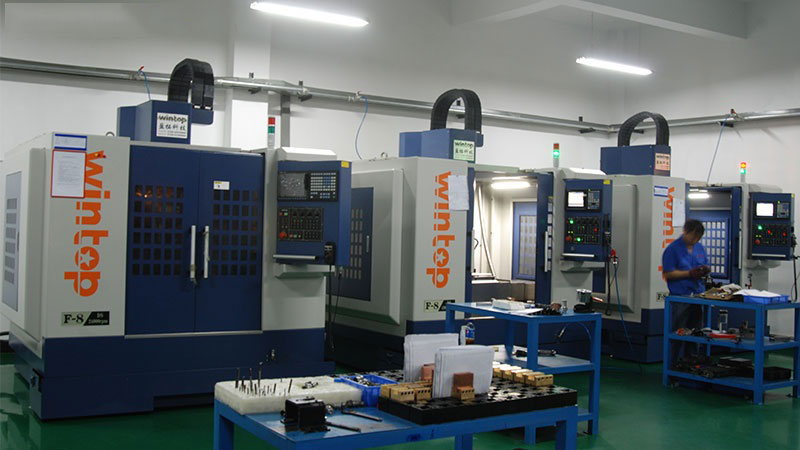
    For overseas buyers, partnering with a skilled custom injection mold maker in China remains one of the most strategic decisions to achieve cost-effective, high-quality production. The landscape, however, is nuanced. While the potential for value is immense, navigating supplier verification, communication, and quality assurance requires a modern and informed approach. This professional guide for 2026 cuts through the noise to provide actionable, real-world strategies for securing a reliable China mold factory and ensuring your injection mold procurement project is a success from quotation to production.

    Mastering Supplier Verification in the Digital Age

    The initial search for a supplier has evolved beyond simple Alibaba listings. A professional custom injection mold maker today will have a robust digital footprint that reflects their technical capability. Start by scrutinizing technical documentation and project galleries. Look for detailed case studies that show their experience with materials and complexities similar to your project. Utilize professional networks like LinkedIn to assess the team’s engineering credentials. Crucially, move verification offline early. Schedule video calls that include a factory walk-through; insist on seeing the mold shop floor, not just the assembly area. Verify business licenses and, for critical applications, ask for certifications like IATF 16949 for automotive or ISO 13485 for medical devices. In 2026, a trustworthy partner is transparent and leverages technology to build confidence.

    The Criticality of a Comprehensive RFQ and Technical Dialogue

    A vague request for quotation is the primary source of future cost overruns and misunderstandings. Your RFQ package must be a comprehensive technical dialogue starter. Include not just a 3D model, but a detailed specification sheet covering: intended material (resin type and grade), annual volume, expected mold life (number of shots), part critical dimensions and tolerances, surface finish requirements (SPI standards), and cycle time targets. Specify the mold base standard (e.g., HASCO, DME) and hot runner system preference if applicable. Presenting this level of detail separates serious buyers from tire-kickers and allows the China mold factory to provide an accurate, comparable quote. It also immediately highlights suppliers who ask insightful follow-up questions about your design for manufacturability (DFM)—a sign of a proactive engineering partner.

    Implementing Proactive Quality Control Gates

    Waiting to inspect the finished mold is a high-risk strategy. The cornerstone of successful procurement is establishing agreed-upon quality control checkpoints throughout the mold manufacturing process. Demand a project timeline with key inspection milestones. These typically include: a formal DFM report after order placement, material certification for the mold steel, inspection of the finished mold cavity and core (often via 3D scan report), a first article inspection (FAI) with sample parts and dimensional reports, and a final pre-shipment audit. The most reliable suppliers will provide photo and video evidence at each stage. For high-value molds, consider engaging a local third-party quality inspection firm to conduct critical milestone checks. This staged approach prevents major deviations late in the process and aligns both parties on quality expectations continuously.

    Navigating Logistics, IP Protection, and Post-Sales Support

    The business relationship extends beyond mold delivery. Address logistical and legal considerations upfront. Clarify incoterms (EXW, FOB, etc.) explicitly—who handles export documentation, sea freight, and import customs clearance? For intellectual property protection, a robust Non-Disclosure Agreement (NDA) is essential, but also discuss practical controls within the factory regarding data security and employee access to your designs. Crucially, define post-sales support terms. What is the warranty period for workmanship and materials? How are repair requests or maintenance handled? Will they provide mold design files for future reference? A professional custom injection mold maker will have clear, fair policies on these points, viewing the initial mold as the start of a long-term partnership for potential future production runs.

    Conclusion: Building a Partnership for Long-Term Value

    Importing an injection mold from China is an engineering and supply chain project, not merely a purchase. The 2026 landscape rewards buyers who are prepared, technical, and proactive. By implementing rigorous supplier verification, initiating clear technical communication, enforcing staged quality control, and formalizing post-sales terms, you transform the procurement process from a transactional gamble into a strategic partnership. The goal is to identify a China mold factory that acts as an extension of your own engineering team—a reliable source of quality, innovation, and value for years to come. This disciplined approach is your definitive guide to achieving that outcome.

    Work With Us

    As a professional China mold manufacturer, we provide one-stop mold solution for overseas buyers.
    📞 Phone: +86-18605944639
    💬 WhatsApp: +8618605944639
    🌐 Website: bestmoldworks.com
    📧 Email: [email protected]

  • injection mold china manufacturers: Expert Tips & Sol 2026

    For global businesses, from ambitious startups to established OEMs, sourcing injection molds from China remains a strategic move to balance high quality with significant cost efficiency. However, the journey from identifying a potential partner to receiving a flawless mold is fraught with challenges. Miscommunication, hidden costs, and quality discrepancies can turn a promising venture into a costly lesson. This guide is designed to cut through the noise, offering professional, actionable solutions for overseas buyers aiming to successfully navigate the landscape of **injection mold china manufacturers** in 2026 and beyond. We will move beyond basic directories to focus on practical strategies for supplier verification, clear procurement processes, and robust quality control.

    The cornerstone of a successful import project is rigorous supplier verification. In 2026, due diligence goes far beyond a website portfolio. Start by verifying the China mold factory’s business license and export credentials. Utilize third-party inspection reports and insist on a virtual or recorded video tour of their facility; a reputable manufacturer will readily showcase their CNC machining centers, EDM equipment, and mold testing presses. Critically, request and contact references from past overseas clients, specifically those in your region or industry. Discuss not only the quality of the injection mold but also the supplier’s communication responsiveness and problem-solving approach. This step filters out trading companies masquerading as factories and identifies partners with genuine expertise and a track record of international cooperation.

    Once a shortlist of potential partners is established, mastering the procurement and quotation process is vital. A professional quotation from a credible **injection mold china manufacturers** should be exceptionally detailed, breaking down costs for mold base materials, core and cavity steel grade, number of cavities, surface finish, and expected lifespan. It must explicitly state what is included: such as 2D/3D design review, mold flow analysis (a must for complex parts), sample shots, and post-sales support like minor modifications. Be wary of suspiciously low bids; they often indicate subpar materials, omitted essential services, or inexperience that will lead to costly mold failures later. Your request for quotation (RFQ) package should be equally professional, including comprehensive 3D files (STEP or IGES), 2D drawings with GD&T tolerances, material specifications, and expected annual volumes. This clarity prevents misunderstandings and ensures all bidders are evaluating the same precise requirements.

    Proactive quality control, integrated throughout the manufacturing cycle, is non-negotiable. Do not adopt a “wait and see” approach until shipment. Agree on a staged inspection protocol with your China mold factory. Key milestones include a First Article Inspection (FAI) after the mold is machined but before heat treatment, and a critical Trial Run Report (T1 sample) with full documentation. For this, hire a trusted third-party quality inspection agency to be your eyes on the ground. They can verify steel hardness, measure critical dimensions on the T1 samples, and assess surface finishes against your provided standards. This process shifts quality assurance from a reactive to a proactive stance, allowing for corrections at the source, which is far more efficient and less expensive than reworking or remanufacturing the mold after it has arrived at your facility.

    Finally, navigating logistics, intellectual property (IP), and payment terms requires strategic foresight. Use clear Incoterms 2020 (like FOB Shanghai or EXW) to define responsibilities and costs. For IP protection, while a well-drafted NNN Agreement (Non-Use, Non-Disclosure, Non-Circumvention) is essential, practical measures are equally important. Consider splitting the mold manufacturing between two specialized suppliers or adding unique, non-functional design elements to your part that are difficult to reverse-engineer. Regarding payment, the standard 50% deposit, 50% before shipment model carries risk. Negotiate for a more balanced structure, such as 30% deposit, 40% after T1 sample approval, and 30% before shipment. This aligns payment with project milestones and gives you significant leverage to ensure all terms are met satisfactorily.

    Successfully importing an injection mold from China in 2026 demands a blend of traditional procurement wisdom and modern verification techniques. The goal is to build a transparent, communicative partnership with your chosen manufacturer, not just execute a transactional purchase. By implementing systematic supplier verification, demanding clarity in procurement, insisting on staged quality control, and structuring agreements wisely, you transform the inherent complexities of overseas sourcing into a reliable competitive advantage. The most reliable China mold factory partners value these professional practices as they signify a serious, long-term business relationship. With these expert tips, you are equipped to make informed decisions, mitigate risks, and secure a high-quality injection mold that delivers value for years to come.

    Work With Us

    As a professional China mold manufacturer, we provide one-stop mold solution for overseas buyers.
    📞 Phone: +86-18605944639
    💬 WhatsApp: +8618605944639
    🌐 Website: bestmoldworks.com
    📧 Email: [email protected]

  • Create custom molds: Professional Buying Guide 2026

    For product developers and manufacturing managers worldwide, the decision to create custom molds is a pivotal step toward innovation and market competitiveness. Sourcing these precision tools from China offers a compelling advantage in cost-efficiency and advanced manufacturing capability. However, navigating this complex landscape requires a strategic, informed approach to mitigate risks and ensure a successful outcome. This professional buying guide for 2026 is designed to equip overseas buyers with actionable, real-world strategies for partnering with Chinese mold factories, transforming a challenging procurement process into a streamlined and reliable operation.

    The cornerstone of a successful project is the selection and thorough verification of your China mold factory. Moving beyond simple online directories, a methodical verification process is non-negotiable. Begin by scrutinizing the supplier’s business licenses and export history. Request detailed case studies and, crucially, contact past international clients. In 2026, leveraging video conferencing for virtual factory tours is a standard expectation; observe their workshop organization, machinery brands (such as DMG Mori or Sodick), and in-house capabilities like CNC machining and EDM. A competent factory will proactively discuss your project’s material, tolerances, and lifecycle expectations. This due diligence phase filters out trading companies masquerading as manufacturers and identifies partners with genuine expertise to create custom molds that meet your precise specifications.

    Once a potential partner is identified, mastering the technical and commercial procurement dialogue is essential. Your request for quotation (RFQ) package must be impeccably detailed. Beyond a 3D CAD model (STEP or IGS format), include comprehensive material specifications for the final plastic or metal part, expected annual volumes, cosmetic requirements (e.g., texture, polish), and critical tolerance zones. Explicitly discuss mold steel grades (such as S136, P20, or 718H) and their impact on cost and durability. In your negotiations, focus on total value, not just the lowest price. Break down costs for mold fabrication, sampling, post-processing, and maintenance. Clearly define payment terms—a common structure is 50% deposit, 40% upon sample approval, and 10% before shipment. Establishing these details upfront prevents costly misunderstandings and aligns both parties on the path to a quality injection mold.

    Implementing a rigorous, multi-stage quality control protocol is your primary defense against defects and project delays. Insist on a First Article Inspection (FAI) report based on sampled parts. This report should include dimensional layout results, material certification, and surface finish checks. For critical projects, engage a reputable third-party inspection agency in China for pre-shipment audits. They can verify mold dimensions, cavity pressure, and cooling system functionality before the tool leaves the factory. Furthermore, integrate quality milestones into your payment schedule. Releasing the final payment should be contingent upon the approval of sample parts produced from the final mold, tested on your specified production-grade material. This proactive quality control stance ensures the injection mold you receive is production-ready and minimizes the risk of expensive rework after it arrives at your facility.

    Effective project management and clear intellectual property protection form the framework for a sustainable partnership. Designate a single point of contact on both sides and establish regular update schedules using collaborative platforms. Your contract must explicitly address IP ownership: all design files, mold drawings, and physical molds should be your unequivocal property. Stipulate that the factory cannot use your design for other clients or reproduce the mold without authorization. For added security, consider registering your design in China. Logistics planning is also critical; discuss incoterms (DAP or DDP are common), packaging for heavy machinery, and insurance. A well-managed project, with protected IP and clear logistics, concludes the process of how to successfully create custom molds and lays the groundwork for future orders and a trusted, long-term supplier relationship.

    Successfully importing a high-precision custom mold from China in 2026 is a systematic exercise in professional diligence. It transcends merely finding a low-cost provider and evolves into building a collaborative partnership with a verified, technically proficient China mold factory. By executing meticulous supplier verification, engaging in detailed technical procurement, enforcing staged quality control, and safeguarding your project with robust management and IP clauses, you transform inherent complexities into controlled, manageable steps. This disciplined approach not only secures a vital capital tool but also establishes a reliable supply chain asset, empowering your product innovation and manufacturing excellence for years to come.

    Work With Us

    As a professional China mold manufacturer, we provide one-stop mold solution for overseas buyers.
    📞 Phone: +86-18605944639
    💬 WhatsApp: +8618605944639
    🌐 Website: bestmoldworks.com
    📧 Email: [email protected]

  • plastic injection mold manufacturer in china: Complete 2026

    For global businesses, from ambitious startups to established OEMs, sourcing a reliable plastic injection mold manufacturer in China remains a cornerstone strategy for achieving competitive advantage. The landscape, however, is perpetually evolving. As we move through 2026, the challenges of supplier verification, quality assurance, and seamless procurement have new nuances. This guide cuts through the noise to provide a current, actionable framework for overseas buyers to successfully navigate this critical process. Our focus is not on generic praise but on solving the real, practical problems you face when importing high-quality, cost-effective tooling from China.

    The foundation of any successful import project is rigorous supplier verification. Moving beyond Alibaba listings and polished websites is non-negotiable in 2026. Start with a multi-faceted audit. Demand to see detailed case studies with part complexity similar to yours. Insist on a live video tour of the China mold factory floor; this is now a standard request, and reluctance is a red flag. Scrutinize their equipment list—modern, CNC, EDM, and CMM machines are indicators of capability, not age. Crucially, verify their export experience. A manufacturer accustomed to Western or Japanese markets will inherently be more aligned with your documentation, tolerance standards, and communication expectations. This due diligence phase is your primary risk mitigation tool.

    Once a potential partner is shortlisted, mastering the technical and commercial discussion is paramount. The cornerstone of this phase is a comprehensive, unambiguous Request for Quotation (RFQ). Your RFQ must include not just part drawings (preferably in 3D STEP or IGES format) but also critical specifications: target annual volumes, resin material, cavitation requirements, expected cycle time, and surface finish standards. Clearly state your quality control protocols, such as requiring a First Article Inspection Report and full dimensional report using CMM. Discuss mold flow analysis upfront; a competent plastic injection mold manufacturer in China will proactively offer this simulation to predict and prevent filling issues, warpage, and sink marks. This demonstrates technical proficiency and saves costly mold modifications later.

    The contract and payment terms stage is where clarity prevents future conflict. Move beyond a simple Proforma Invoice. A detailed manufacturing agreement should outline every milestone: approval of design, material procurement, T1 sample delivery, and final acceptance. Implement staged payments—a common and secure structure is 30-40% deposit, 30-40% upon T1 sample approval, and the balance before shipment. This aligns interests and gives you leverage. Crucially, explicitly define the terms for mold modification costs. Specify what constitutes a correction of their manufacturing error versus a change in your design requirements. This single clause prevents the majority of post-delivery disputes.

    Active quality control cannot be an afterthought; it must be integrated into the production timeline. For critical molds, engaging a local third-party quality inspection firm for key stage audits is a wise investment. They can conduct an Initial Production Check when steel is being machined and a During Production Check during trial runs. The most critical is the Pre-Shipment Inspection, where they will run samples on the mold, check dimensions against your drawings, and verify cosmetic standards. Furthermore, insist on a detailed mold trial report with photos and videos of the T1 samples. This documentation allows for remote yet thorough evaluation. Effective procurement in 2026 leverages technology for oversight, ensuring the physical injection mold matches the digital design before it ever leaves the factory.

    Logistics and post-delivery support are the final, often overlooked, pillars. Understand Incoterms thoroughly; FOB Shanghai/Shenzhen is typical, giving you control over shipping and insurance. Ensure the China mold factory properly prepares the tool for ocean freight—this includes anti-rust treatment, adequate wooden crate packaging, and full documentation packs (final drawings, maintenance manual, spare parts list). Discuss post-sales support upfront. What is their policy on repairing wear and tear? Can they supply spare components like heaters or cores? Establishing this channel ensures the longevity of your asset and secures your production line against future downtime.

    In conclusion, importing molds from China in 2026 is a process that rewards strategic diligence, technological leverage, and clear communication. The journey from identifying a potential China mold factory to receiving a production-ready injection mold is paved with detailed verification, precise technical dialogue, structured contracts, integrated quality control, and logistical foresight. By adopting this professional framework, overseas buyers can transform the perceived complexity of offshore procurement into a reliable, streamlined, and highly competitive supply chain advantage. The goal is not just to find a supplier, but to build a partnership with a plastic injection mold manufacturer in China that delivers precision, value, and consistency for years to come.

    Work With Us

    As a professional China mold manufacturer, we provide one-stop mold solution for overseas buyers.
    📞 Phone: +86-18605944639
    💬 WhatsApp: +8618605944639
    🌐 Website: bestmoldworks.com
    📧 Email: [email protected]

  • custom injection molded parts: Expert Tips & Solutions 2026

    For overseas buyers and product developers, sourcing custom injection molded parts represents a critical path to cost-effective, scalable manufacturing. China remains the global epicenter for mold making and injection molding, offering unparalleled expertise and competitive pricing. However, navigating this complex landscape to find a reliable partner requires a modern, informed approach. The challenges of supplier verification, communication gaps, and quality assurance are real, but they are not insurmountable. This guide provides expert tips and forward-looking solutions for 2026, designed to help you procure high-quality injection molds and parts with confidence and strategic advantage.

    The cornerstone of a successful project is selecting the right China mold factory. Moving beyond simple Alibaba searches, the procurement process now demands deeper due diligence. Start by examining a supplier’s specific engineering capabilities. Do they have experience with your material (e.g., engineering plastics, LSR) and part complexity? Request detailed case studies and, crucially, speak directly to their project engineers. Utilize video calls for virtual factory tours; a reputable supplier will readily showcase their CNC machining centers, EDM equipment, and injection molding floors. In 2026, transparency is the first filter. Verify business licenses and export history, but prioritize evidence of technical competency and structured project management processes over the lowest quoted price.

    Once a potential partner is shortlisted, mastering the technical handoff is vital. The design for manufacturability (DFM) stage is where a great China mold factory proves its value. Insist on a comprehensive DFM report before any tooling begins. This document should detail suggested draft angles, wall thickness optimization, gate locations, ejection strategies, and material recommendations. It is a collaborative blueprint that prevents costly mold reworks. Clearly define all part specifications, including critical dimensions (with GD&T if applicable), surface finish requirements (SPI standards), and color standards. Providing a fully detailed 3D CAD model (STEP or IGS) and 2D drawings is non-negotiable. This clarity aligns expectations and allows the mold designer to create an injection mold that is both durable and optimized for high-volume production.

    Proactive quality control, integrated from the start, is the most effective solution to ensure your custom injection molded parts meet specifications. Define a Quality Control Plan (QCP) with your supplier before the purchase order is signed. This plan should mandate staged inspections: First Article Inspection (FAI) using the initial samples from the T1 mold trial, with full dimensional report (CMM data); a Process Capability Study (Cp/Cpk) for critical dimensions during pre-production runs; and defined AQL levels for mass production shipments. For critical components, consider engaging a trusted third-party inspection service within China for an impartial audit during the sampling or pre-shipment phase. Modern suppliers should provide real-time data and high-resolution photos or videos during testing phases, turning QC from a reactive hurdle into a collaborative, transparent process.

    Effective communication and contract clarity are the frameworks that support all technical efforts. Establish a single point of contact on both sides who possesses both technical and commercial understanding. Use communication tools that support file sharing and record-keeping, such as email or professional project platforms. Your contract must be explicit. It should detail the technical specifications, project timeline with milestones (DFM, mold completion, T1 samples, approval, production), payment terms (e.g., 30-50% deposit, balance before shipment), and most importantly, ownership of the injection mold. Ensure the contract stipulates that you own the mold design and tooling, with storage terms agreed upon after production. Clearly outline procedures for handling deviations, delays, and quality disputes. This legal and operational clarity protects your investment and ensures a professional partnership.

    The landscape is continuously evolving, and the leading Chinese manufacturers are adopting Industry 4.0 practices. In 2026, leverage suppliers who utilize digital twins for mold flow analysis (MFA) to predict and prevent filling issues before steel is cut. Inquire about their use of connected machinery and real-time production monitoring, which can offer you insights into cycle times and part consistency. Furthermore, with growing global emphasis on sustainability, discuss material options including recycled-content resins or bio-based polymers. A forward-thinking supplier will be prepared to advise on material selection that balances performance, cost, and environmental impact, adding significant value to your project beyond simple fabrication.

    Successfully importing custom injection molded parts from China in 2026 is a strategic endeavor that blends rigorous vetting, technical collaboration, and smart process integration. It transcends mere price negotiation, focusing instead on building a partnership with a China mold factory that demonstrates proven engineering expertise, transparent quality systems, and professional communication. By implementing these expert tips—from deep supplier verification and collaborative DFM to a robust, agreed-upon QC plan and ironclad contracts—you transform potential procurement risks into a reliable, streamlined supply chain. The result is not just a well-made injection mold, but a source of high-quality components that drive your product’s success in the global market.

    Work With Us

    As a professional China mold manufacturer, we provide one-stop mold solution for overseas buyers.
    📞 Phone: +86-18605944639
    💬 WhatsApp: +8618605944639
    🌐 Website: bestmoldworks.com
    📧 Email: [email protected]

  • custom injection mold maker near me: Expert Tips & Sol 2026

    For overseas buyers, the search for a “custom injection mold maker near me” often concludes with a strategic decision to look much further afield—specifically, to China. The compelling combination of advanced manufacturing capabilities, significant cost advantages, and scalable production makes Chinese mold factories an undeniable destination for global procurement. However, navigating this complex landscape from a distance presents unique challenges. This guide provides expert, actionable tips for 2026, designed to help you secure a high-quality injection mold from a reliable partner in China, transforming geographical distance into a competitive advantage.

    The fundamental shift in mindset begins with redefining “near me.” In today’s digitally connected supply chain, proximity is less about physical distance and more about communication efficiency, transparency, and logistical integration. Your ideal custom injection mold maker near me, in effect, is the Chinese factory that operates as a seamless extension of your own engineering team, regardless of time zones. The goal is not merely to find a supplier but to architect a trustworthy, long-term partnership that delivers precision, consistency, and value. The following solutions address the core pain points of overseas buyers, from initial verification to final quality assurance.

    Conducting rigorous supplier verification is the non-negotiable first step. Moving beyond basic Alibaba listings is crucial for a project as capital-intensive and technically demanding as a custom injection mold. Start with a deep-dive into the factory’s specialization. Do they have proven expertise in your specific industry, whether automotive, medical, consumer electronics, or packaging? Request detailed case studies with part geometries similar to yours. Utilize video conferencing tools to conduct virtual factory tours in real-time; insist on seeing mold trial areas, CNC machining centers, and CMM inspection rooms. Verify international quality certifications like IATF 16949 for automotive or ISO 13485 for medical devices, but treat them as a baseline, not a guarantee. In 2026, also investigate their digital infrastructure—ask about their use of project management platforms and their capability for sharing real-time production data.

    Mastering the technical and commercial dialogue is what separates successful procurement from costly misunderstandings. Your request for quotation (RFQ) package must be exceptionally detailed. Beyond part drawings, include a comprehensive mold specification document covering steel type (e.g., P20, H13, S136), cavity polish requirements, lifter and slider mechanisms, cooling line layout, and expected cycle time. Clearly state your quality control expectations, including dimensional inspection reports (FAI), material certificates, and mold flow analysis requirements. During negotiations, focus on total cost of ownership, not just the initial mold price. Discuss terms for engineering changes, mold maintenance, and future spare part availability. A professional China mold factory will engage technically, asking insightful questions about your design, rather than simply accepting drawings without comment.

    Implementing a multi-stage quality control protocol is your primary risk mitigation tool. For injection mold procurement, quality must be built into the process, not just inspected at the end. Insist on milestone approvals with evidence: approve the mold design before steel is cut, review the CNC machining process, and conduct a pre-shipment sample trial. The most critical phase is the Initial Sample Inspection Report (ISIR) or Production Part Approval Process (PPAP) during the mold trial. Either you or a trusted third-party inspection agency should be present—either physically or via live-streamed sessions—to witness the trial, approve the first-shot samples, and verify critical dimensions on-site. This step ensures the mold produces parts that meet your specifications before it ever leaves the factory floor, preventing expensive rework and delays after shipping.

    Planning for post-delivery support and long-term partnership solidifies the investment. A reliable custom injection mold maker near me, even if based in China, understands that their responsibility extends beyond delivery. Clarify warranty terms for workmanship and core structural integrity. Establish a clear protocol for handling wear and tear or damage during production at your facility. Will they provide emergency technical support? Can they supply replacement components like heaters, sensors, or core pins quickly? In 2026, leading suppliers offer digital mold passports and maintenance logs. Furthermore, discuss their capacity for future iterations; a successful first mold often leads to additional family molds or projects, making a supplier who can grow with you an invaluable asset.

    In conclusion, finding your optimal custom injection mold maker near me in the context of global manufacturing means selecting a Chinese partner who demonstrates transparency, technical prowess, and a commitment to shared success. By meticulously verifying suppliers, leading with precise technical communication, enforcing staged quality control, and securing long-term support, you effectively bridge the geographical gap. The landscape in 2026 demands a proactive, informed approach where due diligence and clear partnership agreements turn the immense potential of Chinese mold manufacturing into tangible, high-quality results for your business. The distance, when managed correctly, becomes irrelevant compared to the value of a well-executed partnership with a capable China mold factory.

    Work With Us

    As a professional China mold manufacturer, we provide one-stop mold solution for overseas buyers.
    📞 Phone: +86-18605944639
    💬 WhatsApp: +8618605944639
    🌐 Website: bestmoldworks.com
    📧 Email: [email protected]