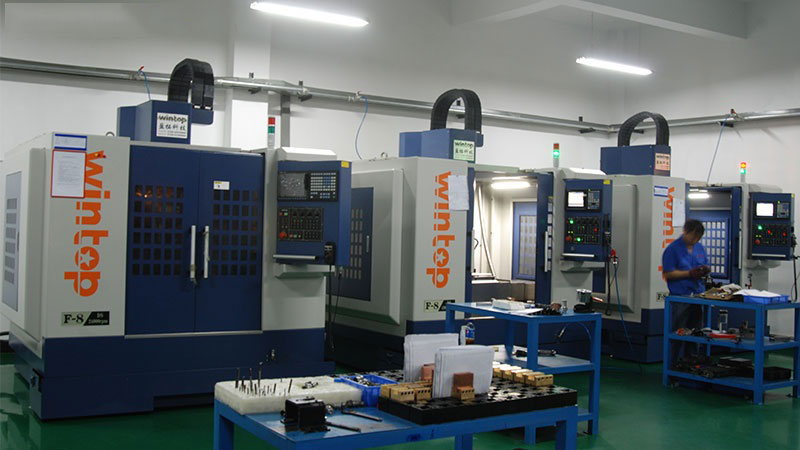
For global businesses, sourcing custom injection molded parts from China remains a strategic move to balance quality, innovation, and cost. However, the landscape is evolving. The 2026 procurement journey is less about finding the cheapest option and more about forging intelligent, resilient partnerships with capable China mold factories. This guide cuts through the noise to provide a professional, actionable framework for overseas buyers to navigate the process successfully, mitigate risks, and secure a reliable supply of high-quality components.
The foundation of a successful import project lies in precise definition and communication. Before you even begin searching for a China mold factory, invest time in finalizing your part design and specifications. Create a comprehensive package that includes not just 3D CAD files (STEP or IGS format is preferred), but also a detailed 2D drawing with critical dimensions, tolerances (GD&T if applicable), material specifications (including grade and color), and expected annual volumes. For custom injection molded parts, the surface finish requirement—from SPI mold finish standards to specific textures—must be clearly defined. This upfront clarity prevents costly misunderstandings, reduces quoting time, and allows suppliers to assess manufacturability and propose potential design for manufacturing (DFM) improvements early. Presenting a professional package immediately signals to potential partners that you are a serious and knowledgeable buyer.
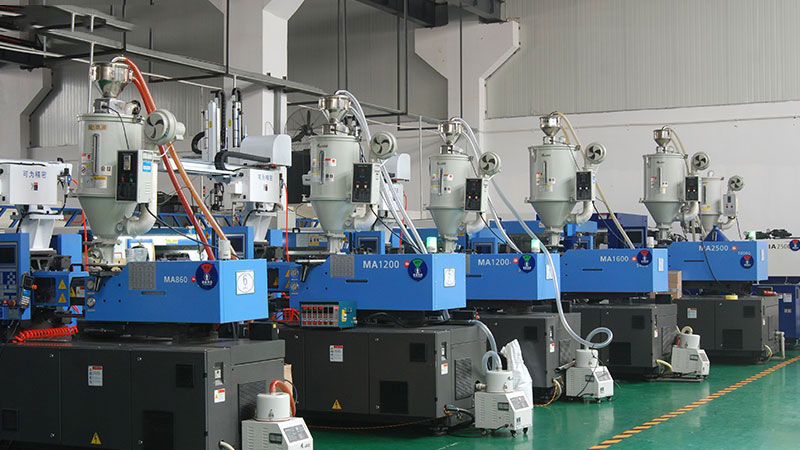
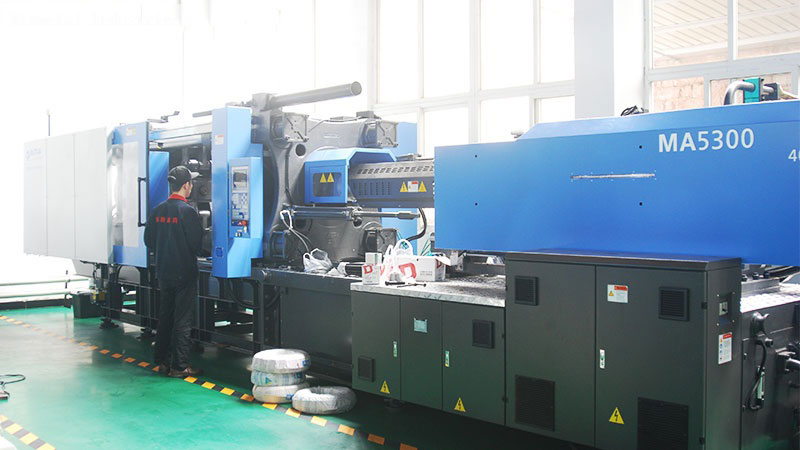
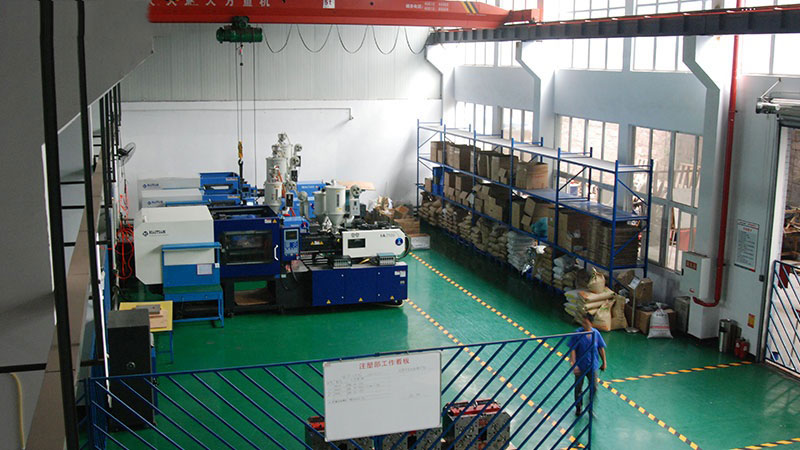
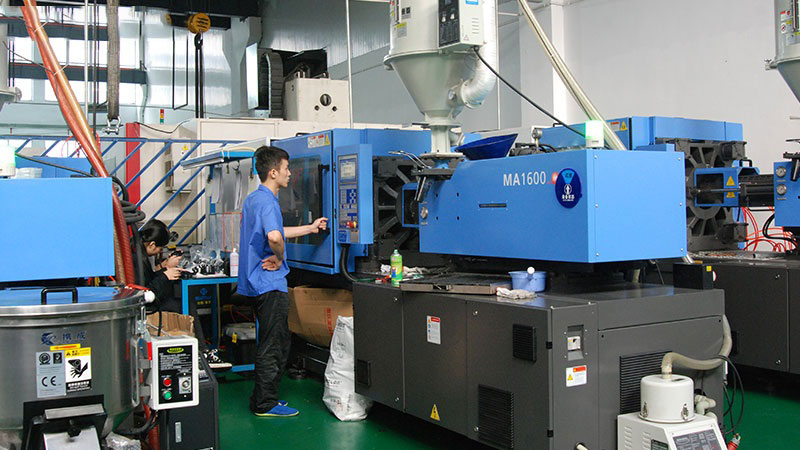
With your specifications ready, the critical phase of supplier verification begins. Moving beyond simple online directories, a multi-layered approach is essential. Start with a deep-dive into potential suppliers’ capabilities. Scrutinize their website for case studies in your industry, the range of injection mold tonnage they operate, and their in-house engineering team. Utilize video conferencing to request virtual factory tours; observe the organization, machinery maintenance, and workflow. Crucially, ask for and independently contact references from their existing overseas clients. In 2026, verifying a supplier’s digital competency—their use of project management software, secure data transfer protocols, and clear communication channels—is as important as verifying their machinery. This step filters out trading companies masquerading as manufacturers and identifies partners with genuine expertise in producing the specific custom injection molded parts you require.
The procurement process hinges on the quotation and contract stage, where details make the difference. A professional quote for an injection mold and parts should be broken down clearly: mold cost (with steel grade and hardness specified), piece-part price, sampling lead time, and mass production cycle. Beware of suspiciously low all-in-one quotes. Ensure the contract explicitly covers intellectual property (IP) ownership—the mold and your design must be legally yours. Terms for mold maintenance, repair responsibilities, and production of spare mold cavities should be outlined. Discuss payment terms strategically; a common and balanced structure is 30-40% deposit to commence mold fabrication, 30-40% upon approval of initial samples (T1 samples), and the remainder before shipment. Never pay 100% upfront. This structured financial approach aligns incentives and protects both parties.
Robust quality control is non-negotiable and must be planned from the outset. Do not assume quality; build it into the process through clear agreements. For the initial injection mold, insist on a First Article Inspection (FAI) report and dimensional layout for the T1 samples. For ongoing production, define your Acceptable Quality Level (AQL) for visual and dimensional checks. For critical components, consider mandating periodic Coordinate Measuring Machine (CMM) reports. While third-party inspection services in China provide excellent oversight for pre-shipment audits, the most effective strategy is to work with a China mold factory that has an integrated, documented quality management system (like ISO 9001). Visit or audit their QC department if possible. Discuss their procedures for material certification, process control during injection molding, and their internal inspection routines. A proactive partner will welcome this dialogue.
The journey does not end with the first successful shipment. Managing logistics and fostering a long-term partnership are keys to sustained value. Work with your supplier to understand Incoterms 2020—FOB is commonly preferred as it gives you control over the shipping line and insurance. Ensure proper packaging is specified to prevent damage to both molds and parts during ocean freight. Post-project, a structured feedback loop is vital. Schedule regular business reviews to discuss performance, potential cost-down initiatives through design or process optimization, and plans for future projects. A reliable supplier for your custom injection molded parts becomes an extension of your engineering and production team, contributing to your product’s success over its entire lifecycle.
Importing injection molds and parts from China in 2026 demands a professional, diligent, and partnership-oriented approach. By meticulously defining your requirements, rigorously verifying suppliers, structuring clear contracts, implementing unwavering quality control, and nurturing the relationship, you transform a complex procurement challenge into a significant competitive advantage. The goal is to move beyond a transactional purchase to establish a collaborative alliance with a China mold factory that delivers consistent quality, innovation, and value, ensuring the long-term success of your products in the global marketplace.
Work With Us
As a professional China mold manufacturer, we provide one-stop mold solution for overseas buyers.
📞 Phone: +86-18605944639
💬 WhatsApp: +8618605944639
🌐 Website: bestmoldworks.com
📧 Email: [email protected]