For overseas buyers and product developers, the search for “custom plastic molding services near me” often reveals a significant gap between local cost structures and project budgets. While local suppliers offer proximity, the economic and technical scale offered by Chinese mold manufacturing is compelling. The true challenge, therefore, evolves from a local search into a strategic international procurement operation. For 2026 and beyond, successfully importing high-quality, cost-effective molds from China requires a modern, diligent approach. This guide provides actionable, professional insights to navigate this process, transforming geographical distance into a competitive advantage.
The foundational step is redefining your supplier search. Moving beyond basic online directories is crucial. Begin by targeting established industrial hubs like Ningbo, Dongguan, and Shenzhen, where specialized **China mold factory** clusters exist. Utilize professional B2B platforms but scrutinize them deeply; focus on suppliers with detailed process documentation, engineering case studies, and verifiable client lists. The goal is to identify partners who specialize in your required niche, whether it’s micro-precision parts, large automotive components, or specific materials. Initial vetting should involve a technical questionnaire that probes their experience with similar projects, their standard tolerances, and the type of **injection mold** machinery they operate. This shifts the conversation from price-first to capability-first, filtering out unqualified workshops early.
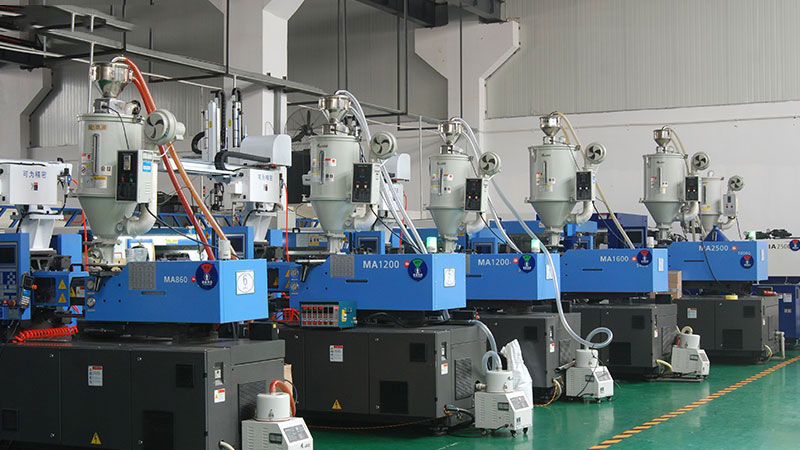
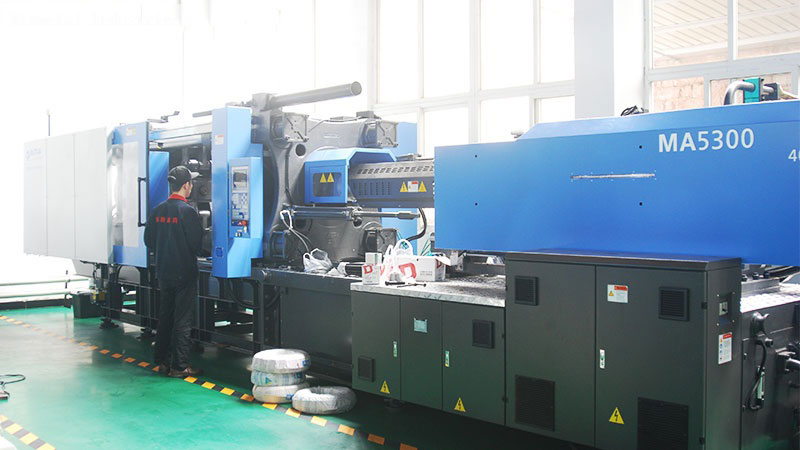
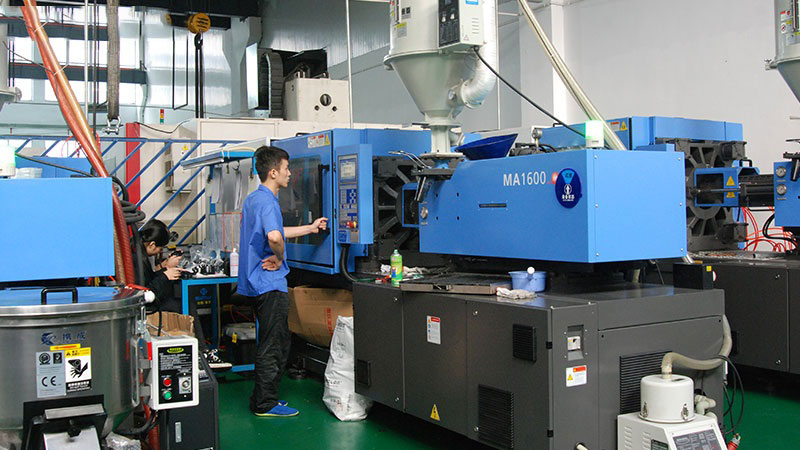
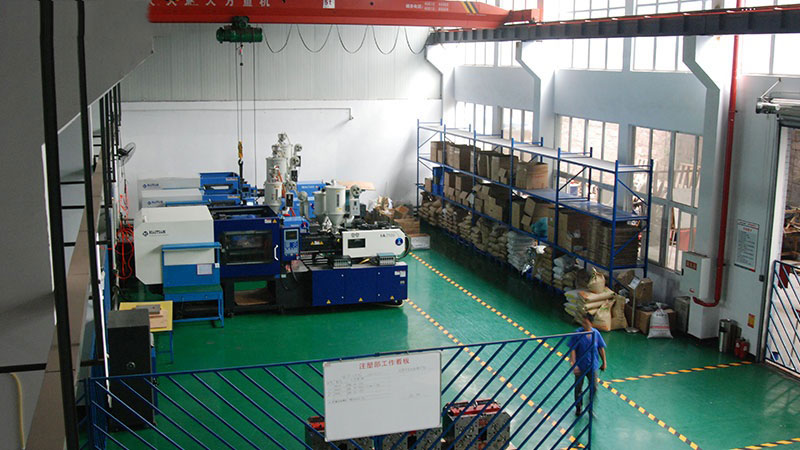
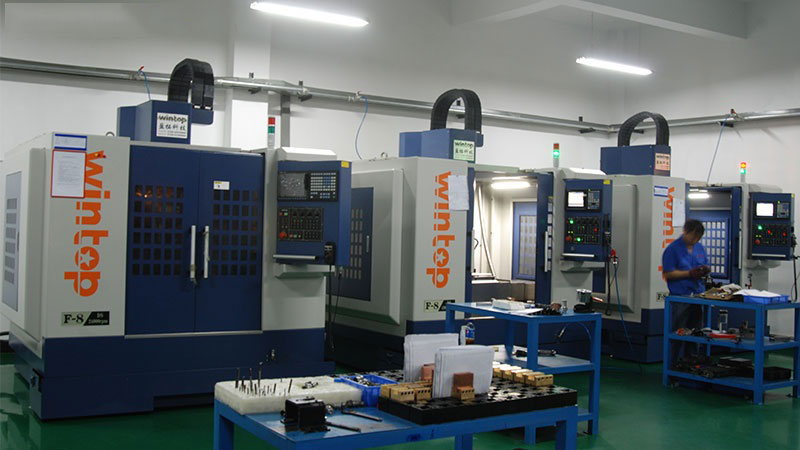
Once a shortlist is formed, rigorous **supplier verification** becomes non-negotiable. In 2026, due diligence extends far beyond a business license check. Insist on a live video tour of the manufacturing facility. Observe the condition of their CNC, EDM, and molding machines, the organization of the workshop floor, and their in-house quality control stations. Request contact information for at least two previous international clients and conduct discreet reference checks. Verify their export experience and familiarity with shipping logistics and documentation. Additionally, consider partnering with a third-party inspection company located in the supplier’s region for an initial audit. This upfront investment in verification mitigates the paramount risk in overseas **procurement**, ensuring your partner possesses the operational maturity to deliver.
The heart of a successful project lies in uncompromising **quality control** protocols, integrated from design to delivery. Do not assume standards; define them contractually. Your technical drawings must be impeccable, using international standard projections (First or Third Angle) and explicitly stating all critical dimensions, tolerances, surface finishes (SPI standards), and material specifications (including color and grade). Implement a staged inspection plan: a First Article Inspection (FAI) after the **injection mold** is machined but before heat treatment, a Trial Run Inspection with sample parts from the production mold, and a Pre-Shipment Inspection (PSI) of the final goods. Use Dimensionally Inspection Reports (DIMs) and Coordinate Measuring Machine (CMM) reports for quantitative validation. Clearly define the sample approval process and who holds the final authority. This structured QC framework aligns expectations and provides clear, objective checkpoints.
Effective communication and intellectual property (IP) protection are intertwined challenges. Establish a single point of technical contact on both sides who possesses strong English skills and engineering knowledge. Use visual aids—marked-up drawings, screenshots, and video clips—to clarify issues. For IP protection, a well-drafted Non-Disclosure Agreement (NDA) and product development agreement under Chinese law are essential. While absolute security is difficult, practical steps include splitting mold manufacturing across different suppliers for complex assemblies, controlling the source of critical components like sliders or lifters, and, for highly sensitive designs, considering legal entity registration in China. These measures demonstrate serious intent and create legal recourse, deterring opportunistic behavior.
Finally, master the total cost of ownership and logistics. The lowest mold quote can be misleading. Analyze the entire cost structure: mold price, material cost per part, guaranteed mold life (number of shots), payment terms (e.g., 30/40/30 split), and tooling maintenance responsibilities. For **procurement**, understand Incoterms thoroughly; FOB Shanghai gives you more control over shipping than EXW. Engage a reliable freight forwarder experienced in handling delicate mold shipments. Plan for mold protection—proper packaging, crating, and insurance are mandatory. Furthermore, factor in potential costs for minor revisions or troubleshooting. A transparent, collaborative supplier will help you optimize the design for manufacturability (DFM), often saving more cost in production efficiency than any upfront haggling on the tooling price.
In conclusion, the strategic pursuit of **custom plastic molding services near me** for overseas buyers in 2026 is less about finding a local shop and more about expertly managing a remote, specialized engineering partnership. By methodically verifying your **China mold factory**, embedding rigorous quality control at every stage, protecting your IP, and understanding total costs, you transform the inherent complexities of importing into a streamlined, reliable supply chain. The future belongs to buyers who approach this not as a simple purchase, but as a core competency in global manufacturing. With these expert tips, you can confidently bridge the distance, securing not just a mold, but a long-term partner for product innovation and commercial success.
Work With Us
As a professional China mold manufacturer, we provide one-stop mold solution for overseas buyers.
📞 Phone: +86-18605944639
💬 WhatsApp: +8618605944639
🌐 Website: bestmoldworks.com
📧 Email: [email protected]