Blog

  • china injection mold factory: Professional Buying Guide 2026

    For overseas buyers, sourcing injection molds from China remains a strategic decision to balance cost, capability, and speed to market. However, the landscape is evolving rapidly. A successful procurement journey in 2026 demands more than just finding a list of suppliers online; it requires a structured, professional approach to navigate technical complexities, ensure quality, and build a sustainable partnership. This guide is designed to cut through the noise and provide you with actionable, real-world strategies for engaging with a China mold factory confidently and effectively. We will move beyond basic advice to focus on the critical steps that separate a smooth project from a costly mistake.

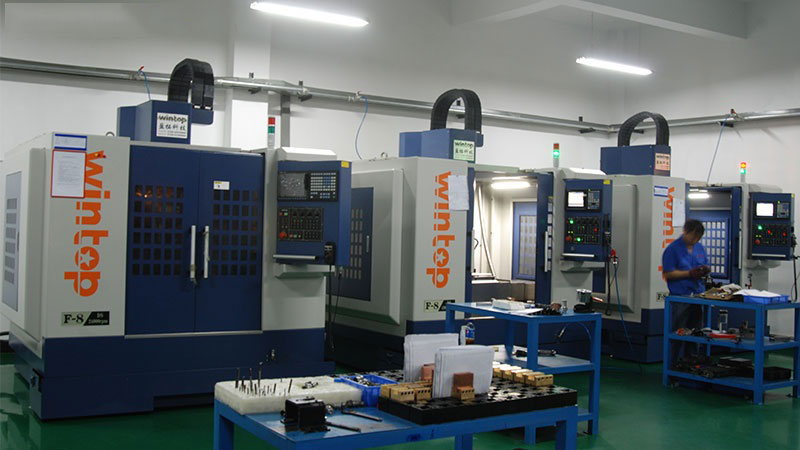
    The foundation of any successful import project is rigorous supplier verification. In 2024, this means moving far beyond Alibaba storefronts. Start with a deep-dive technical audit. A legitimate China injection mold factory should readily provide evidence of their engineering capabilities. Request detailed case studies for molds similar to yours in complexity, material, and volume. Utilize video calls to conduct virtual factory tours; insist on seeing the actual machining centers (like CNC, EDM), mold trial presses, and quality control stations in real-time. Verify business licenses and, crucially, ask for references from existing overseas clients. Third-party verification platforms can also be useful. The goal is to assess their technical competency and business transparency before any technical discussion begins. This upfront diligence mitigates the vast majority of procurement risks.

    Once a potential partner is shortlisted, mastering the technical and commercial quotation phase is paramount. A professional quotation from a China mold factory should be exhaustive, not just a single bottom-line price. It must include a detailed mold design specification: steel grade and hardness (e.g., pre-hardened 718H or hardened S136), cavity surface finish (SPI/VDI standards), lifecycle expectations, and cooling circuit design. The quote should clearly separate mold cost, sample part cost, and per-unit part pricing for future production. Be explicit about ownership of the mold design and manufacturing files (the IP). Furthermore, establish a milestone-based payment schedule—for example, 30% upon order confirmation, 40% after T1 sample approval, and 30% before shipment. This structure aligns incentives and protects both parties throughout the project lifecycle.

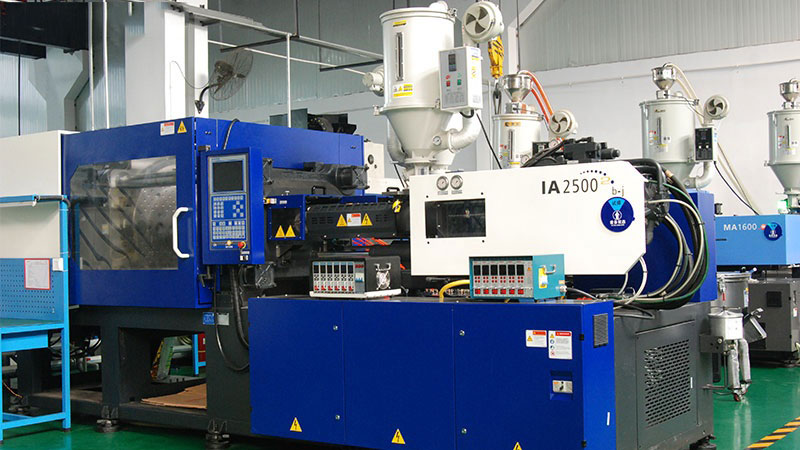
    The most critical phase of your engagement is proactive quality control, which must be integrated from the start. Do not treat QC as a final inspection step. Instead, require a First Article Inspection (FAI) report and a Dimension Report for the T1 samples. Define your Critical-to-Quality (CTQ) dimensions and cosmetic standards in the initial Product Specification Document. For high-value or high-volume molds, investing in a third-party inspection service during the final mold tryout is highly recommended. These inspectors can perform a comprehensive mold qualification, checking for proper venting, ejection, cooling efficiency, and part conformity using CMMs and other metrology tools. This objective assessment before shipment resolves issues while the mold is still with the manufacturer, avoiding costly rework and delays at your facility. Consistent and documented quality control is non-negotiable.

    Clear communication and professional project management are the glue that holds the international procurement process together. Appoint a single point of contact on both sides who possesses both technical and language proficiency. Use collaborative tools for tracking progress, sharing drawings (with clear revision controls), and logging issues. Establish a regular update cadence, such as a weekly video conference covering design reviews, machining progress, and trial schedules. Be mindful of cultural nuances; directness is appreciated in technical matters, but relationship-building fosters better problem-solving. A professional China mold factory will respect and mirror this structured approach. Effective communication ensures that expectations are managed, and minor issues are resolved before they escalate into major project blockers.

    Finally, adopt a strategic, long-term perspective. Viewing your chosen supplier as a mere order-taker limits potential. The most successful overseas buyers treat their China injection mold factory as a development partner. Discuss future projects, provide feedback, and explore their capabilities in adjacent technologies like overmolding or two-shot molding. A strong partnership can lead to preferential pricing, dedicated engineering resources, and faster turnaround times for future molds. In the competitive landscape of 2026, this collaborative relationship becomes a significant competitive advantage, ensuring not just a successful first project but a reliable supply chain for years to come.

    In conclusion, importing molds from China in 2026 is a professional discipline that rewards preparation, technical clarity, and active partnership management. By implementing a thorough supplier verification process, demanding detailed quotations, enforcing rigorous quality control protocols, managing communication professionally, and building for the long term, you transform procurement from a cost-centric activity into a value-driven strategic function. The goal is not merely to buy a mold but to secure a reliable manufacturing asset and a competent technical partner. With this guide as your framework, you are equipped to navigate the complexities and unlock the full potential of partnering with a professional China injection mold factory.

    Work With Us

    As a professional China mold manufacturer, we provide one-stop mold solution for overseas buyers.
    📞 Phone: +86-18605944639
    💬 WhatsApp: +8618605944639
    🌐 Website: bestmoldworks.com
    📧 Email: [email protected]
  • China mold Manufacturerturer: Reliable Manufacturers Gu 2026

    For overseas buyers, sourcing precision tooling from China represents a significant opportunity for cost efficiency and advanced manufacturing capability. However, the landscape is vast and navigating it to find a truly reliable China mold manufacturer can be daunting. Missteps in supplier verification or quality control can quickly erode the anticipated savings, leading to project delays and subpar parts. This guide for 2026 cuts through the noise, offering a structured, professional approach to procurement that addresses the real challenges faced by international importers. Our focus is on actionable strategies to identify, vet, and collaborate with competent partners, ensuring your injection mold or other tooling investment is sound.

    The foundation of a successful import project lies in meticulous supplier verification. Moving beyond simple online directories is crucial in 2024. Start with a deep-dive analysis of a potential China mold factory’s digital footprint. Scrutinize their website for technical blogs, detailed case studies, and engineering-focused content rather than just glossy sales pitches. Utilize professional networking platforms like LinkedIn to assess the profiles of their engineering and management staff. A critical step is to request and verify business licenses, and for higher-value projects, consider a third-party verification service to confirm factory size, ownership, and legal standing. Initial communication should be highly technical; present a challenging part of your design and ask for their manufacturing feedback. A reliable manufacturer will engage with questions about draft angles, material selection, and gate locations, not just quote a price.

    Once a shortlist is established, a rigorous and standardized quality control protocol must be agreed upon before any contract is signed. This is non-negotiable. For injection mold procurement, your quality plan should be phase-gated. Define the deliverables for each stage: 3D mold design review, material certificates for the mold steel, pre-shipment First Article Inspection (FAI) with a detailed report (CMM data, surface finish measurements, and photos of the mold itself), and finally, sample parts from the production mold. Specify the inspection equipment required, such as CMM, profilometer, or optical comparators. Clearly state who will perform the inspections—your on-site agent, a hired third-party QC firm, or their own team with verifiable data. Embedding these requirements into the purchase order transforms quality from an expectation into a measurable, enforceable process.

    Effective procurement from a China mold manufacturer hinges on mastering technical communication and intellectual property (IP) protection. Ambiguity in specifications is a primary cause of defects. Provide not just 3D files, but a comprehensive technical data pack including 2D drawings with GD&T, critical part dimensions, surface finish requirements (with Ra/Rz values specified on the drawing), and material grade for the final plastic part. Use marked-up images and videos during reviews. For IP, while an NDA is a standard first step, practical measures are more powerful. Consider splitting core and cavity manufacturing if the design is highly sensitive. Work with manufacturers who understand and respect international IP norms, and ensure your contract has clear jurisdiction and penalty clauses for IP infringement. Trust is built through clear communication, but it is protected through clear legal frameworks.

    The most forward-thinking strategy for 2026 involves building a partnership rather than treating each project as a transactional purchase. A reliable China mold factory viewed as a long-term partner invests in your success. Discuss their capacity for mold maintenance, repair, and future modifications. Evaluate their ability to support production, whether they offer in-house molding for sampling or have partnerships with molding shops. Inquire about their investment in new technology, such as high-speed machining, conformal cooling capabilities, or additive manufacturing for mold inserts. A partner will proactively inform you of potential design optimizations for cost or performance and will be transparent about production timelines and potential bottlenecks. This collaborative approach mitigates risk across your entire product lifecycle.

    In conclusion, successfully importing molds from China in 2026 requires a shift from price-centric sourcing to a systematic, verification-driven partnership model. The journey involves diligent supplier verification, uncompromising quality control processes, crystal-clear technical communication, and a commitment to long-term collaboration. By implementing these actionable steps, overseas buyers can confidently navigate the market, turning the challenge of distance into a competitive advantage. The goal is to secure not just a tool, but a reliable extension of your engineering and manufacturing team, ensuring quality, consistency, and innovation for years to come.

    Work With Us

    As a professional China mold manufacturer, we provide one-stop mold solution for overseas buyers.
    📞 Phone: +86-18605944639
    💬 WhatsApp: +8618605944639
    🌐 Website: bestmoldworks.com
    📧 Email: [email protected]
  • custom injection mold price: Complete Procurement Guide 2026

    Navigating the landscape of custom injection mold price in China can be a complex endeavor for overseas buyers. While the potential for significant cost savings is a major draw, the variance in quotations and the hidden complexities behind them can lead to uncertainty and risk. This guide is designed to cut through the noise, providing a clear, actionable framework for your procurement strategy in 2026. We move beyond simply asking “how much?” to understanding “why?” and “how to ensure value?” This professional guide will equip you with the knowledge to engage with China mold factory partners effectively, transforming price from a point of confusion into a foundation for a successful, long-term manufacturing partnership.

    Understanding the Core Drivers of Your Injection Mold Quote

    Before you even request a quotation, you must understand what fundamentally shapes the custom injection mold price. A professional China mold factory will base its quote on precise specifications, not guesswork. The primary cost drivers include mold complexity (number of cavities, side actions, lifters), part design (size, geometry, tolerances), material selection (pre-hardened steel, stainless steel, aluminum), and surface finish requirements. In 2024, advanced manufacturing technologies like conformal cooling channels are becoming more prevalent, offering long-term value but impacting initial tooling investment. Your first step is to provide potential suppliers with a comprehensive package: a detailed 3D CAD model (STEP or IGS), 2D drawings with critical dimensions and tolerances, material specifications for the final plastic part, and expected production volume. This clarity prevents misunderstandings and ensures you are comparing quotes for identical scopes of work, making the custom injection mold price comparison meaningful and accurate.

    Strategic Supplier Verification: Beyond the Initial Quotation

    The lowest custom injection mold price is often the most expensive choice in the long run. Supplier verification is your most critical risk mitigation step. Begin with a thorough background check: review business licenses, export history, and client testimonials, preferably from overseas companies. Request a virtual or, ideally, an in-person factory tour to assess their equipment (EDM, CNC, CMM machines), workshop organization, and engineering team. Crucially, discuss their project management and communication流程. Who will be your single point of contact? What is their protocol for design review (DFM) and regular updates? A professional injection mold supplier will proactively offer a Design for Manufacturability analysis, suggesting modifications to simplify the mold, reduce cost, and improve part quality. This collaborative approach at the outset is a strong indicator of reliability and adds immense value far beyond the initial price point.

    Implementing Proactive Quality Control from Design to Delivery

    Quality control is not a single inspection before shipment; it is a process integrated into every stage. To protect your investment, define clear quality benchmarks in your purchase agreement. This should include milestones like First Article Inspection (FAI) reports, material certificates for the mold steel, and pre-shipment sampling using your specified production-grade material. Insist on full documentation, including photos and videos of the mold during trial tests, and data from the injection molding machine (pressure, cycle time). For critical projects, consider engaging a local third-party quality inspection service to conduct an on-site Initial Sample Inspection Report (ISIR) or Production Part Approval Process (PPAP) validation at the China mold factory. This step, while an added cost, provides an objective assessment and prevents costly delays and rework after the mold has been shipped. Effective procurement hinges on this vigilance.

    Navigating Logistics, IP Protection, and Total Cost of Ownership

    The final quoted price is not the total cost. Savvy buyers must account for logistics, intellectual property protection, and long-term support. Discuss Incoterms clearly—FOB Shanghai is common, but understand what it includes. Factor in shipping, insurance, and potential import duties. For Intellectual Property, a robust Non-Disclosure Agreement (NDA) is essential, but consider going further. Some factories will agree to contractually assign all design rights to you and register the mold with a unique serial number physically engraved on the tool. Finally, discuss post-sales support. What is the warranty period for workmanship? What are the costs and lead times for future mold maintenance, repairs, or modifications? A reliable partner will be transparent about these ongoing aspects. The true value of your injection mold procurement is measured by its performance over years of production, not just its initial purchase price.

    Building a Partnership for Future Projects

    Successful procurement in 2026 is about building relationships. View your chosen China mold factory not as a vendor, but as a technical partner. Clear, respectful, and documented communication is paramount. Use shared project management tools to track progress. Be reasonable with expectations but firm on agreed standards. A positive, professional relationship often leads to priority service, more attentive engineering support, and favorable terms for future projects. This partnership approach turns the transactional focus on price into a strategic discussion about value, innovation, and supply chain resilience.

    Conclusion

    Procuring a custom injection mold from China in 2026 demands a strategic, informed approach that looks beyond the bottom-line price. By deeply understanding cost drivers, executing rigorous supplier verification, implementing staged quality control, and planning for the total cost of ownership, you transform procurement from a risky necessity into a competitive advantage. The goal is to secure not just a tool, but a foundation for high-quality, cost-effective production. By following this guide, you empower yourself to engage with Chinese manufacturing expertise confidently, forging partnerships that deliver exceptional value and drive the success of your products in the global marketplace.

    Work With Us

    As a professional China mold manufacturer, we provide one-stop mold solution for overseas buyers.
    📞 Phone: +86-18605944639
    💬 WhatsApp: +8618605944639
    🌐 Website: bestmoldworks.com
    📧 Email: [email protected]
  • china mould factory: Reliable Manufacturers Guide 2026

    For overseas buyers, the decision to import molds from China represents a significant opportunity for cost efficiency, advanced manufacturing capability, and scalability. However, the path to a successful partnership with a China mould factory is often paved with questions about reliability, quality, and communication. This guide for 2026 cuts through the noise to provide a professional, actionable framework for your procurement journey, ensuring you engage with a supplier that delivers precision, value, and peace of mind.

    The cornerstone of successful import begins long before a quote is requested; it starts with meticulous supplier verification. In the digital age, a comprehensive vetting process is non-negotiable. Begin by scrutinizing the manufacturer’s online presence, but move swiftly to deeper validation. For any prospective China mold factory, insist on a live video tour of their facility. This 2026 standard practice allows you to assess machinery, workshop organization, and team size in real-time. Furthermore, demand a detailed portfolio of past projects, specifically for clients in your region or industry. Third-party verification through platforms like SGS or Bureau Veritas for business licenses and export credentials adds a critical layer of trust. Remember, a reliable partner is transparent and welcomes this scrutiny.

    Once a shortlist is established, mastering the technical and commercial discussion is paramount. The clarity of your Request for Quotation directly influences the accuracy and competitiveness of the proposal. When preparing your RFQ for an injection mold, provide exhaustive details: 3D files, material specifications, expected annual volumes, cavity requirements, and surface finish standards. Crucially, discuss the mold lifecycle. A professional China mould factory will offer a transparent breakdown covering mold cost, per-part price, and maintenance terms. In 2026, leading manufacturers are also prepared to discuss sustainability, such as energy-efficient molding processes or material recycling options. This stage is about aligning expectations and ensuring the supplier has the technical prowess to execute your design precisely.

    The most common pitfall in overseas procurement is the assumption that quality control begins after production. In reality, a proactive, integrated QC protocol is your primary risk mitigation tool. Agree on a staged inspection plan with your supplier before contract signing. This should include a First Article Inspection after initial sampling, a Dimensional Report during T1 trials, and a Pre-Shipment Inspection when the full order is ready. For injection mold projects, this process is twofold: inspecting the tool itself and the initial batch of produced parts. Specify the use of CMM reports, mold flow analysis summaries, and material certification. Allocate a budget for hiring a local, third-party inspection firm for critical milestones. This layered approach transforms quality from an hope into a documented, managed outcome.

    Navigating logistics, payment, and intellectual property protection requires strategic structuring. Opt for Incoterms that clearly delineate responsibilities; FOB is often a balanced choice, giving you control over shipping while the supplier handles port delivery. For payment, a secure, staggered structure is standard: a deposit, a milestone payment upon sample approval, and the balance before shipment. Regarding intellectual property, a robust Non-Disclosure Agreement is essential, but complement it with practical steps. Choose a factory willing to sign your NDA, and consider compartmentalizing design information. For ultimate security, partnering with a China mold factory that offers exclusive mold ownership and storage agreements ensures your tooling remains your confidential asset.

    The final, often overlooked, component is fostering a partnership beyond a single transaction. Reliable manufacturers view each project as the start of a long-term collaboration. Evaluate their communication protocols: do they assign a dedicated project manager fluent in English? What is their response time? In 2026, seamless integration via project management tools or regular update cadences is expected. Discuss post-sales support, including warranty for the injection mold, troubleshooting assistance, and capacity for future modifications. A supplier invested in your success will be proactive in suggesting design for manufacturability improvements, potentially saving you cost and enhancing product performance.

    Importing molds from China in 2026 is a venture defined by strategic preparation and informed partnership. The landscape is sophisticated, and the most successful overseas buyers are those who approach their China mould factory not merely as a vendor, but as a technical extension of their own operations. By rigorously verifying suppliers, defining requirements with precision, implementing staged quality control, securing terms professionally, and building a communicative relationship, you transform the inherent complexities of global procurement into a competitive advantage. The goal is clear: to secure not just a tool, but a reliable manufacturing solution that drives your product’s quality and market success for years to come.

    Work With Us

    As a professional China mold manufacturer, we provide one-stop mold solution for overseas buyers.
    📞 Phone: +86-18605944639
    💬 WhatsApp: +8618605944639
    🌐 Website: bestmoldworks.com
    📧 Email: [email protected]
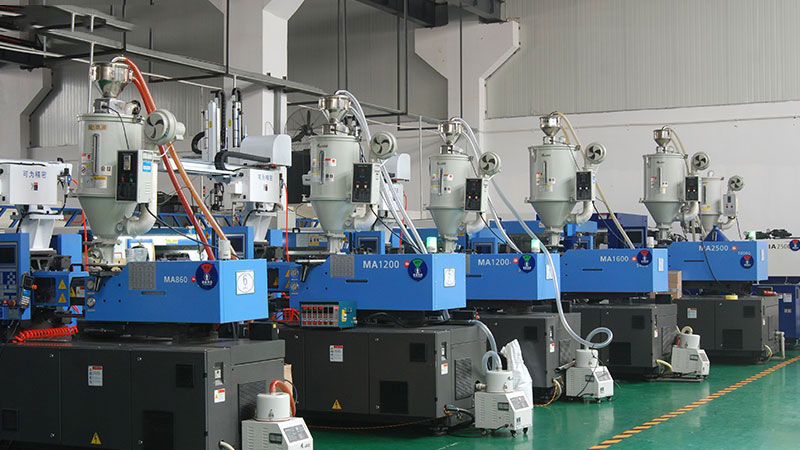
  • injection mold factory in china: Professional Buying Gu 2026

    For overseas buyers, sourcing injection molds from China remains a strategic decision to balance cost, capability, and speed to market. However, the landscape is evolving rapidly. The old challenges of supplier verification and quality control are now compounded by advancements in smart manufacturing, shifting economic policies, and heightened expectations for sustainability. This 2026 guide cuts through the noise to provide a professional, actionable framework for successfully partnering with a world-class injection mold factory in China.

    The core of successful procurement lies not in finding the cheapest option, but in identifying a technically capable and commercially transparent partner. A reliable China mold factory acts as an extension of your engineering team, mitigating risk and ensuring your project’s viability from design to mass production. The following structured approach is designed to solve the real problems you face in the current market.

    Conducting Deep Technical and Commercial Verification

    Moving beyond basic website checks and Alibaba profiles is non-negotiable in 2026. Supplier verification must be a two-pronged process. First, assess technical capability. Request detailed case studies for molds similar in size, complexity, and material to your project. A professional injection mold factory will readily share this, often with videos of the mold in operation. Insist on a video conference factory tour; observe the shop floor organization, the generation of CNC and EDM equipment, and the presence of coordinate measuring machines (CMMs) and mold flow analysis software. Second, conduct commercial due diligence. Use third-party platforms to verify business licenses, export history, and any litigation. Ask for direct contact details for two or three of their existing overseas clients for a reference check. Specific questions about their experience with communication, problem-solving, and post-sales support are invaluable.

    Mastering the RFQ and Technical Documentation Phase

    A vague request for quotation guarantees inaccurate pricing and future conflicts. To secure comparable and reliable quotes, your RFQ package must be comprehensive. It should include a detailed 3D product model (STEP or IGS format), 2D drawings with critical dimensions, tolerances, and surface finish requirements (SPI standards) clearly called out. Specify the intended material, expected annual volumes, and target part cost. Crucially, outline the mold specifications: steel grade (e.g., P20, H13, S136), mold life expectancy (number of shots), hot runner system preferences, and delivery timeline. This precision allows the injection mold supplier to understand your exact needs and demonstrates your professionalism, which in turn attracts serious factories. It also forms the bedrock of your eventual contract, minimizing scope creep.

    Implementing a Phased Quality Control and Communication Protocol

    Quality control cannot be an afterthought relegated to a final pre-shipment inspection. For injection mold procurement, a phased inspection protocol is essential. Define and agree upon critical inspection points (IP) with your supplier before work begins. Typically, these include: IP1 after mold design review, IP2 after mold base machining, IP3 after cavity and core completion (first trial), and IP4 for the final sample approval. For each IP, specify the inspection method—whether it requires high-resolution photos, video, or the dispatch of a third-party inspector from agencies like SGS or AsiaInspection. Establish a single point of contact on both sides and mandate weekly update reports with photos and data. This structured transparency builds trust and allows for course correction early, when changes are least expensive.

    Navigating Logistics, IP Protection, and the Total Cost of Ownership

    The lowest mold price can be misleading. Your procurement strategy must account for the total cost of ownership. Discuss Incoterms 2026 explicitly; FOB Shenzhen is common, but you must understand your responsibilities from the factory gate onward. Factor in shipping, insurance, and potential import duties. Intellectual property protection is a legitimate concern. While a strong contract with confidentiality and IP clauses is a must, practical steps include working with factories that respect NDAs, splitting mold manufacturing between different shops for critical components, and considering legal registration of your design in China if volumes justify it. Finally, discuss post-sales support upfront. What is the warranty period? How are breakdowns or wear-and-tear issues handled? A reputable China mold factory will have clear policies for mold maintenance and repair support.

    Building a Partnership for Future Projects

    The most successful buyers view their initial mold project as the foundation of a long-term manufacturing relationship. Once you have vetted and successfully collaborated with a reliable injection mold factory in China, the benefits multiply. They become intimately familiar with your quality standards and communication style. Subsequent projects will see reduced lead times, more streamlined communication, and often, more favorable commercial terms. This partnership can extend beyond molds into part production, assembly, and even value-engineering suggestions to improve your design for manufacturability.

    Conclusion

    Importing injection molds from China in 2026 demands a professional, meticulous, and partnership-oriented approach. The journey from supplier verification to final delivery is paved with technical details and clear agreements. By implementing this guide’s framework—emphasizing deep-dive verification, precise documentation, phased quality control, and total cost analysis—you transform procurement from a transactional risk into a strategic advantage. The goal is to move beyond being just a buyer to becoming a valued client of a competent Chinese mold manufacturer, ensuring not only the success of your current project but also building a resilient supply chain for the future.

    Work With Us

    As a professional China mold manufacturer, we provide one-stop mold solution for overseas buyers.
    📞 Phone: +86-18605944639
    💬 WhatsApp: +8618605944639
    🌐 Website: bestmoldworks.com
    📧 Email: [email protected]

  • china mold manufacturer: Professional Buying Guide 2026

    Importing molds from China remains a strategic move for businesses worldwide seeking to optimize production costs and access advanced manufacturing capabilities. However, the landscape is nuanced. Success hinges not on finding any supplier, but on identifying and partnering with the right one. This professional guide for 2026 is designed to cut through the noise, providing overseas buyers with actionable, current strategies to navigate the procurement process effectively, mitigate risks, and secure a partnership that delivers quality, value, and reliability.

    The foundation of a successful import project is thorough supplier verification. In 2026, this goes beyond checking an online listing. Start with a deep due diligence process. Scrutinize the China mold factory’s business licenses, export history, and any relevant industry certifications. Utilize video calls to conduct virtual factory tours; a reputable supplier will readily showcase their facility, machinery, and ongoing projects. Pay close attention to the equipment—modern CNC machines, EDM, and CMMs are indicators of capability. Crucially, request and contact past international clients. A trustworthy china mold manufacturer will provide references. Ask these references specific questions about communication, adherence to schedules, and how issues were resolved. This step moves you from a prospect to an informed buyer, separating marketing from manufacturing substance.

    Once a potential partner is identified, precision in the quotation and design phase is critical. A vague request leads to misunderstandings and cost overruns. Provide a comprehensive RFQ (Request for Quotation) package. This must include detailed part drawings (with GD&T where applicable), material specifications, expected annual volumes, and target part cost. For injection mold projects, clearly state the resin type, as it influences mold steel selection and cooling channel design. Engage in technical discussions early. A competent supplier will offer Design for Manufacturability (DFM) feedback, suggesting modifications that improve mold life, simplify production, or reduce cost. Ensure all agreements—steel grade, mold flow analysis expectations, cavity number, and T1 sample timeline—are explicitly documented in a formal purchase order or contract. This clarity protects both parties and sets a professional tone for the engagement.

    Proactive quality control is non-negotiable and should be structured in stages. Do not wait until the final shipment to inspect. Implement a milestone-based inspection protocol. Key stages include a first article inspection after the mold base is prepared, a T0 sample check when the first parts are shot from the mold, and a final pre-shipment inspection. For critical projects, consider hiring a local third-party quality inspection firm to conduct these checks objectively. They can verify steel hardness, measure critical dimensions on the CMM, and test the mold’s functionality. For injection mold procurement, mold flow analysis reports should be requested and reviewed to anticipate potential filling or warping issues before steel is cut. This staged approach identifies discrepancies early, when they are less costly and time-consuming to correct, ensuring the final product meets your specifications.

    Managing logistics, communication, and intellectual property forms the backbone of a sustainable partnership. Secure clear terms for shipping, incoterms, and insurance responsibility. Discuss post-sales support upfront—what is the warranty period for the mold? How are repair requests handled? Establish structured communication channels with a primary technical contact and project manager. Regular update schedules, even via brief weekly emails, prevent projects from going silent. Regarding IP protection, while legal frameworks exist, practical steps are more effective. Sign a comprehensive NDA and ensure your contract stipulates confidentiality. For highly sensitive designs, consider splitting mold manufacturing between two factories or finalizing critical machining in-house. A professional china mold manufacturer values long-term relationships and will respect these protocols, understanding they are part of serious international business.

    The journey of importing molds from China is a systematic process of verification, clear communication, and diligent oversight. By methodically vetting your supplier, defining project specifications with precision, implementing staged quality control, and formalizing all aspects of the partnership, you transform a complex international procurement into a manageable and highly rewarding business strategy. The goal for 2026 and beyond is to move beyond a transactional purchase and build a collaborative relationship with a China mold factory that acts as an extension of your production team. With this professional approach, you can leverage China’s manufacturing excellence to gain a decisive competitive advantage in your market.

    Work With Us

    As a professional China mold manufacturer, we provide one-stop mold solution for overseas buyers.
    📞 Phone: +86-18605944639
    💬 WhatsApp: +8618605944639
    🌐 Website: bestmoldworks.com
    📧 Email: [email protected]

  • custom molds for aluminum: Best Suppliers & Quality C 2026

    For overseas buyers, sourcing custom molds for aluminum represents a critical investment that directly impacts product quality, production timelines, and overall cost efficiency. China remains the global epicenter for mold manufacturing, offering unparalleled expertise and competitive pricing. However, navigating this vast market to secure a reliable partner requires a strategic approach. This guide is designed to provide actionable insights for international procurement professionals seeking to import high-quality aluminum molds from China in 2026, focusing on supplier verification and robust quality control protocols.

    The foundation of a successful import project lies in meticulous supplier verification. Not all China mold factories are created equal, and the lowest quote often carries hidden risks. Begin your search by targeting manufacturers with demonstrable experience in aluminum-specific tooling. Aluminum presents unique challenges compared to plastics, such as thermal management, wear resistance, and gating systems. Scrutinize their portfolio for similar projects and request detailed case studies. Utilize professional B2B platforms but go beyond them; verify business licenses, and insist on video tours of their facility. Key departments to observe include the design engineering team, the CNC machining workshop, and their quality inspection area. A reputable supplier will be transparent and proactive in this process, understanding that trust is paramount for overseas buyers.

    Once a shortlist of potential partners is established, the focus must shift to technical communication and design for manufacturability (DFM). The most common pitfall is assuming your design is ready for tooling. A professional China mold factory will conduct a thorough DFM analysis. This collaborative stage is where value is created. They should provide feedback on draft angles, wall thickness uniformity, parting line location, and cooling channel optimization specifically for aluminum injection mold processes. Clearly communicate your expected production volume, alloy type, and part tolerances. Detailed technical discussions prevent costly revisions later. Ensure all agreements, including mold flow analysis reports, material certifications for mold steel (such as H13), and a comprehensive timeline, are documented in a formal technical agreement alongside the commercial contract.

    Implementing rigorous quality control (QC) from the first article to final shipment is non-negotiable. For custom molds for aluminum, QC is a multi-stage process. Define clear inspection criteria upfront, referencing international standards like ISO or ANSI. Critical checkpoints include: First Article Inspection (FAI) using Coordinate Measuring Machine (CMP) reports on initial sample parts, and a thorough mold qualification test at the supplier’s facility. Witnessing a sample trial run, either in person or via live stream, is highly recommended. Monitor key parameters like cycle time, injection pressure, and temperature. Additionally, inspect the mold itself for workmanship, surface finish, and the functionality of sliders and ejector systems. Many experienced buyers engage a trusted third-party inspection service in China for an unbiased assessment at critical milestones, providing an extra layer of security before the mold is shipped.

    The procurement strategy extends beyond the initial mold purchase. Consider the total cost of ownership, which includes maintenance, potential repairs, and lead time for spare parts. Discuss with your supplier their policy on mold modification and their capacity to provide spare components like ejector pins or heater cartridges. For long-term projects, inquire about their system for storing mold design and manufacturing data. A forward-thinking supplier will offer a transparent after-sales support plan. Furthermore, understanding Incoterms 2026 and logistics is crucial. Molds are high-value, heavy cargo. Clarify responsibilities for packaging, export documentation, and insurance. Proper wooden crate packaging with desiccant is essential to prevent corrosion during sea freight. A reliable partner will manage this process seamlessly, ensuring your custom aluminum injection mold arrives in perfect condition and ready for production.

    In conclusion, sourcing custom molds for aluminum from China in 2026 is a highly viable strategy that balances cost with capability when executed with diligence. The pathway to success is built on systematic supplier verification, collaborative technical planning, and an uncompromising commitment to quality control at every stage. By partnering with a China mold factory that demonstrates specialized expertise in aluminum tooling and embraces transparent procurement practices, overseas buyers can secure not just a tool, but a long-term competitive advantage. The goal is to transform a complex international procurement challenge into a streamlined, reliable, and profitable component of your supply chain, ensuring quality and consistency for years to come.

    Work With Us

    As a professional China mold manufacturer, we provide one-stop mold solution for overseas buyers.
    📞 Phone: +86-18605944639
    💬 WhatsApp: +8618605944639
    🌐 Website: bestmoldworks.com
    📧 Email: [email protected]

  • custom silicone mold manufacturer: Complete Procurement 2026

    For overseas businesses, from innovative startups to established manufacturers, sourcing custom silicone molds represents a significant opportunity to enhance product quality and control costs. The landscape of procuring precision tooling from China, however, is nuanced and requires a modern, strategic approach. This guide for 2026 moves beyond basic supplier directories to provide a complete, actionable framework for procurement. It is designed to solve the real challenges you face: identifying truly capable partners, ensuring flawless communication, and guaranteeing that the molds you receive meet your exact specifications for performance and durability. Success hinges on a professional process that mitigates risk at every stage.

    The foundation of a successful import project is meticulous supplier verification. In 2026, this means looking deeper than an Alibaba storefront. Begin by scrutinizing the technical capabilities of a potential China mold factory. Do they showcase engineering expertise specific to silicone or Liquid Silicone Rubber (LSR) molding? Silicone requires distinct considerations compared to standard plastic injection mold tooling, such as different venting, curing cycles, and material flow characteristics. Request detailed case studies and, crucially, ask for customer references from your region or industry. Verify business licenses and export history. Utilize video calls to conduct virtual factory tours; a reputable custom silicone mold manufacturer will transparently showcase their workshop, machinery, and quality control stations. This step filters out trading companies and identifies true manufacturing partners with proven expertise.

    Once a qualified supplier is shortlisted, the focus shifts to technical alignment and prototyping. Precise communication of your product requirements is non-negotiable. Provide comprehensive 3D drawings (STEP or IGS files are preferred) with clear tolerances, material specifications (e.g., FDA-grade, hardness, color), and expected production volumes. Discuss the mold lifecycle—will it be used for hundreds or hundreds of thousands of cycles? This dictates the mold steel quality (e.g., pre-hardened steel vs. hardened tool steel) and internal polish. Insist on a Design for Manufacturability (DFM) review. A professional partner will analyze your design and suggest modifications to improve moldability, reduce cost, and enhance part quality. Before full mold fabrication, agree on a prototyping process, whether using soft tooling or an initial cavity from the production mold, to validate the design and material performance.

    Implementing rigorous quality control protocols from the start is what separates a smooth project from a costly failure. Define all quality benchmarks and inspection stages in your purchase contract. Key checkpoints include a First Article Inspection (FAI) report when sample parts are produced from the finished mold. This report should verify critical dimensions against your drawings. Require full documentation of the mold itself: material certificates for the steel, mold flow analysis results (if applicable), and detailed photos/videos of the mold construction at various stages. For the final pre-shipment inspection, consider engaging a trusted third-party quality control service in China to conduct an on-site audit. They can verify the mold’s workmanship, test it under production conditions, and ensure it meets all agreed-upon standards before it leaves the factory, preventing disputes and delays upon arrival.

    The final phase encompasses logistics, payment, and long-term partnership strategy. Use Incoterms 2020 clearly—typically FOB or EXW—to delineate responsibilities and costs. Ensure the China mold factory properly prepares the mold for shipping: this includes anti-rust treatment, secure packaging in a custom crate, and comprehensive documentation. For payment, a structured schedule (e.g., 30% deposit, 40% after design approval, 30% before shipment) is standard and protects both parties. Discuss post-sales support explicitly. What is the warranty period for workmanship and materials? How will they handle mold maintenance, repair, or future modifications? Establishing these terms upfront transforms a transactional purchase into a strategic partnership. A reliable custom silicone mold manufacturer views the initial mold as the beginning of a relationship, offering support that ensures your production line remains efficient for years to come.

    Procuring custom silicone molds from China in 2026 demands a blend of diligent verification, technical collaboration, and structured quality assurance. By approaching your supplier as a strategic partner from the initial verification through to post-sales support, you transform the inherent complexities of overseas procurement into a competitive advantage. The goal is not merely to buy a tool, but to secure a cornerstone of your product’s quality and manufacturing consistency. With this complete procurement framework, overseas buyers can navigate the market with confidence, ensuring their investment yields precise, durable, and cost-effective molds that drive product success in a global marketplace.

    Work With Us

    As a professional China mold manufacturer, we provide one-stop mold solution for overseas buyers.
    📞 Phone: +86-18605944639
    💬 WhatsApp: +8618605944639
    🌐 Website: bestmoldworks.com
    📧 Email: [email protected]

  • custom plastic mold Manufacturerturer: Ultimate Guide f 2026

    Importing custom plastic molds from China remains a strategic move for businesses worldwide seeking to optimize production costs and access advanced manufacturing capabilities. However, navigating this complex landscape requires updated knowledge and a meticulous approach. This definitive guide for 2026 is designed to equip overseas buyers with actionable, professional insights to streamline procurement, mitigate risks, and secure a successful partnership with a qualified China mold factory.

    Mastering Supplier Verification in the Digital Age

    The foundation of a successful import project is a thoroughly vetted supplier. Moving beyond simple Alibaba listings, a rigorous verification process is non-negotiable. Begin by scrutinizing the manufacturer’s digital footprint. A professional website with detailed technical content, case studies, and clear process explanations often indicates a serious operation. Utilize video conferencing tools to request live virtual factory tours; this allows you to assess workshop organization, machinery quality, and operational scale in real-time. Crucially, insist on obtaining and contacting references from past overseas clients. Ask specific questions about communication, problem-solving, and adherence to timelines. Furthermore, verify business licenses and, for higher-value projects, consider third-party verification services to confirm the company’s legal and operational standing. This multi-layered approach to supplier verification separates marketing fronts from competent partners.

    Defining Specifications and Ensuring Technical Alignment

    Ambiguity in technical specifications is the primary cause of delays, cost overruns, and substandard mold quality. Before engaging deeply with a potential custom plastic mold manufacturer, you must have crystal-clear documentation. This includes comprehensive 3D part files (STEP or IGS), 2D drawings with critical dimensions and tolerances clearly marked, and a detailed specification sheet. This sheet should cover the intended material (resin type), expected annual production volume, cosmetic requirements (texture, polish), and part function. Discuss and agree upon the mold base standard (LKM, HASCO, DME), steel grade for different components, and cooling channel design. A professional China mold factory will proactively ask these questions. Use this technical dialogue to gauge their expertise. Do they suggest design for manufacturability (DFM) improvements? Their ability to collaborate on optimizing your part for the injection mold process is a key indicator of engineering proficiency.

    Implementing Proactive Quality Control Milestones

    Quality control cannot be an afterthought; it must be integrated into the project timeline with defined checkpoints. Do not settle for a single final inspection. Structure your payment terms to align with key quality milestones. A robust QC protocol includes a First Article Inspection (FAI) report on the initial mold trial samples, often after the T1 trial. This report should include dimensional measurement results using CMM data, material certification, and visual inspection against agreed standards. For critical projects, engage a local third-party quality inspection firm to conduct an in-process audit, such as checking the mold hardness, cavity finish, and fitting before the final trial. This proactive investment prevents costly rework after shipment. Clearly define the acceptance criteria for the injection mold, including the number of acceptable trial cycles and the standard for sample parts, before production commences.

    Navigating Logistics, IP Protection, and Post-Sales Support

    The final stages of procurement are as critical as the initial selection. Ensure you have a clear Incoterm (e.g., FOB, EXW) agreed upon in the contract, defining responsibilities for shipping, insurance, and customs clearance. For intellectual property protection, a well-drafted Non-Disclosure Agreement (NDA) and a product confidentiality agreement are essential. While enforcement can be complex, these documents establish a legal framework and demonstrate seriousness. Discuss post-sales support explicitly. What is the warranty period for the mold? How are breakdowns or wear-and-tear issues handled? A reliable custom plastic mold manufacturer will offer a clear warranty, typically 12-18 months, covering manufacturing defects and provide ongoing support for maintenance. Clarify the process and cost for future mold modifications or spare parts procurement to ensure a sustainable, long-term partnership.

    Conclusion

    Importing a custom plastic injection mold from China in 2026 demands a blend of traditional due diligence and modern digital verification techniques. The journey from identifying a potential China mold factory to receiving a high-quality tool is paved with detailed technical communication, structured quality control, and clear contractual agreements. By focusing on rigorous supplier verification, unambiguous specification sharing, proactive quality milestones, and comprehensive logistics planning, overseas buyers can significantly de-risk their procurement process. This disciplined approach transforms the challenge of distance into a competitive advantage, unlocking the value and expertise of Chinese manufacturing for long-term business success.

    Work With Us

    As a professional China mold manufacturer, we provide one-stop mold solution for overseas buyers.
    📞 Phone: +86-18605944639
    💬 WhatsApp: +8618605944639
    🌐 Website: bestmoldworks.com
    📧 Email: [email protected]

  • mold manufacturer china: Best Suppliers & Quality Cont 2026

    For overseas buyers, sourcing precision tooling from a mold manufacturer in China represents a significant strategic advantage, offering a compelling balance of cost, capability, and scale. However, the path to a successful partnership and a flawless mold is paved with critical decisions. The landscape is vast, and without a structured approach, challenges in supplier verification, communication, and quality control can quickly erode the anticipated benefits. This guide is designed to cut through the complexity, providing actionable, professional insights to help you navigate the procurement process and secure high-quality injection molds from reliable Chinese partners in 2026 and beyond.

    The foundation of a successful import project is rigorous supplier verification. Moving beyond a simple Google search or Alibaba profile is non-negotiable. Begin by shortlisting potential China mold factories based on their specific expertise in your industry, whether it be automotive, medical, consumer electronics, or packaging. Scrutinize their technical capabilities: what types of machining centers do they operate (e.g., 5-axis, EDM, high-speed milling)? Can they handle the material and complexity your project demands? The most critical step is to insist on a virtual or, ideally, an in-person factory audit. In 2026, reputable suppliers expect this. Assess their workshop organization, equipment maintenance, and in-process quality checks. Request and contact past overseas clients for direct references. This due diligence separates marketing claims from manufacturing competence, ensuring your chosen mold manufacturer china has a proven track record.

    Once a qualified supplier is identified, crystal-clear technical communication becomes your most powerful tool for quality control. Ambiguity in drawings, specifications, or expectations is the primary cause of rework and delays. Develop a comprehensive and standardized Technical Data Sheet for every project. This document must go beyond basic dimensions and include critical details: exact steel grade and hardness (with material certificates), surface finish specifications (SPI/VDI standards), tolerance requirements for critical features, mold flow analysis expectations, and details for all standard components (brands for hot runners, ejector pins, etc.). Use 3D models (STEP, IGES) alongside 2D drawings, and mark up all files with clear notes. Schedule regular video conference reviews during the design and manufacturing stages to align on progress and address questions in real-time, bridging any language or cultural gaps proactively.

    Proactive and structured quality control, integrated throughout the manufacturing lifecycle, is what defines a professional procurement strategy. Do not rely solely on a final pre-shipment inspection to discover critical issues. Implement a staged inspection protocol (DPI). Key inspection points typically include: after material procurement (validate certificates), after rough machining, after heat treatment (verify hardness), after finishing and assembly (first article inspection), and finally, a pre-shipment trial with sample parts. For high-value or complex injection molds, engaging a trusted third-party quality inspection firm based in China for these critical stages is a highly recommended investment. They provide an unbiased, expert eye on the ground, measuring dimensions, verifying finishes, and documenting the trial run with videos and data, giving you objective evidence before payment and shipment.

    Managing the logistics, intellectual property (IP), and commercial terms with precision is the final step to securing your investment. Ensure your contract explicitly covers IP ownership, confidentiality, and non-compete clauses to protect your design. Commercial terms (Incoterms 2020) must be unambiguous—clarifying responsibilities for tooling transportation, insurance, and import duties. For the mold itself, discuss and agree upon the protocol for engineering changes, warranty period for workmanship and materials, and the supplier’s responsibility for mold maintenance and repair support. A professional China mold factory will be transparent and cooperative in establishing these terms, viewing them as the framework for a long-term partnership rather than a one-time transaction.

    Sourcing from a leading mold manufacturer in China in 2026 is a strategic endeavor that rewards diligence, clear communication, and systematic oversight. By mastering the processes of thorough supplier verification, uncompromising technical clarity, staged quality control, and robust commercial agreements, overseas buyers can confidently access world-class manufacturing capabilities. The goal is to transform the procurement journey from a perceived risk into a reliable, value-driven pipeline for high-quality injection molds. With this structured approach, you can build partnerships that deliver not just a tool, but a competitive advantage for your production line for years to come.

    Work With Us

    As a professional China mold manufacturer, we provide one-stop mold solution for overseas buyers.
    📞 Phone: +86-18605944639
    💬 WhatsApp: +8618605944639
    🌐 Website: bestmoldworks.com
    📧 Email: [email protected]